


Silver Wine Glasses
Silver wine glasses bridge the gap between functional drinkware and decorative metalwork, bringing tactile weight to the table through glass and precious metal.
Silver Wine Glasses
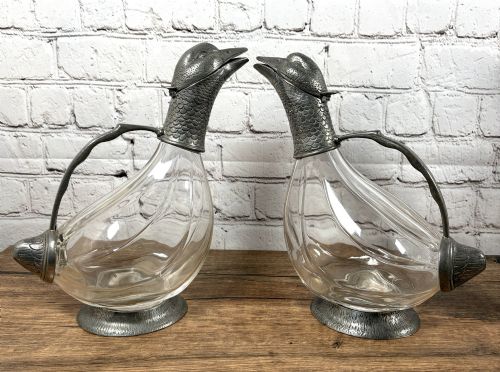
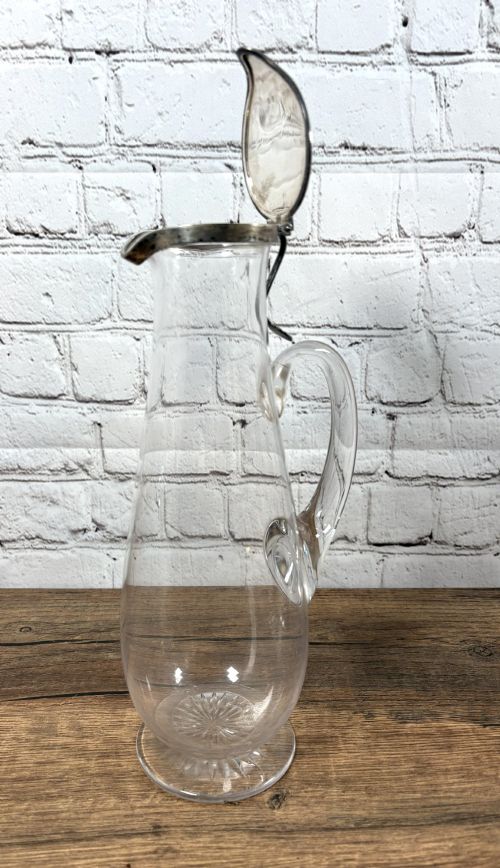
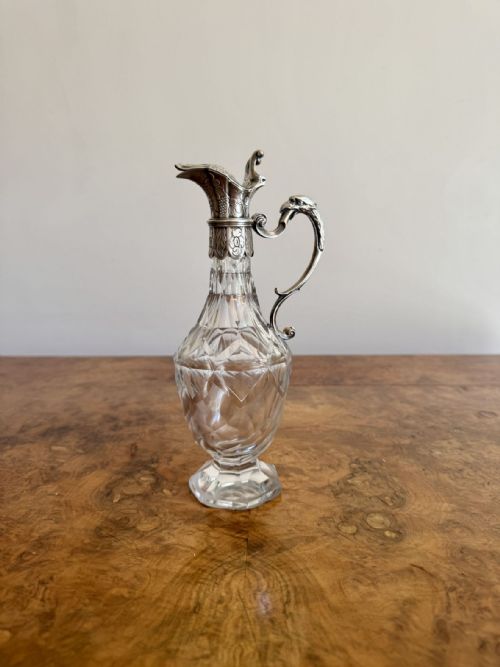
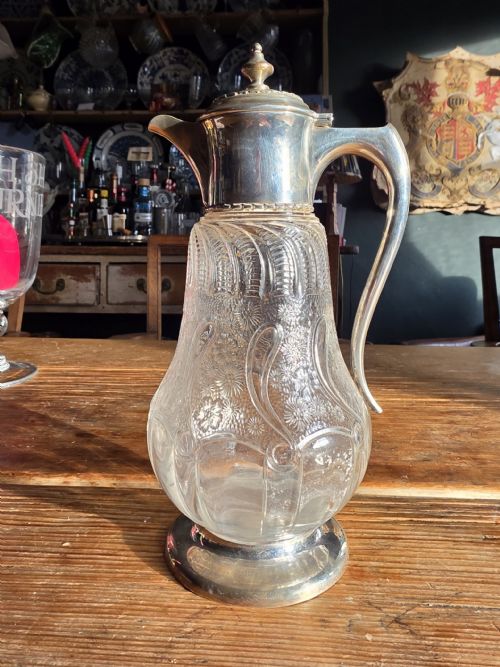
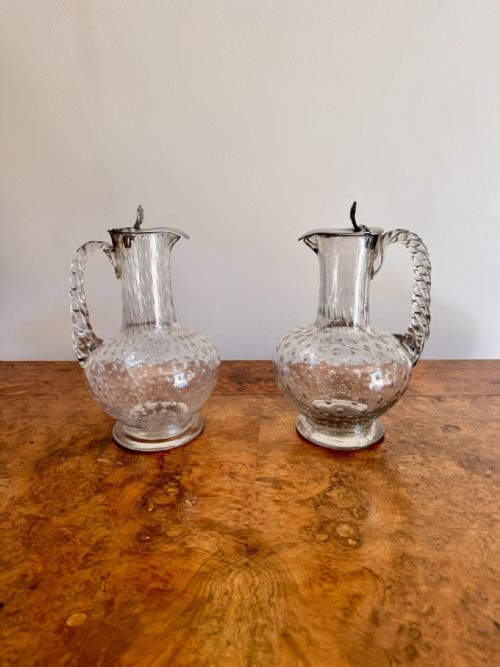
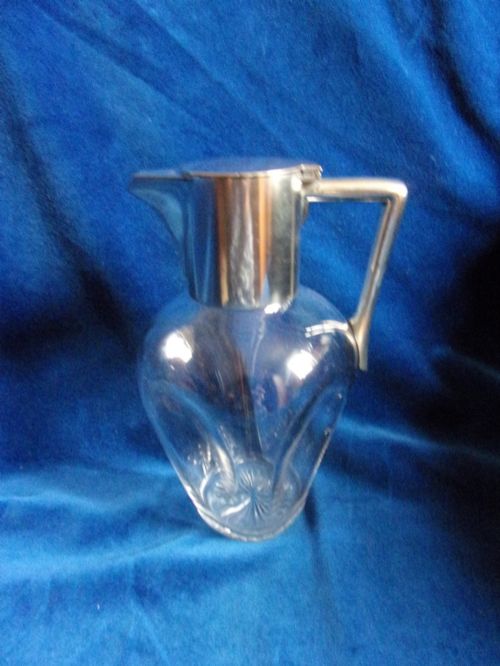
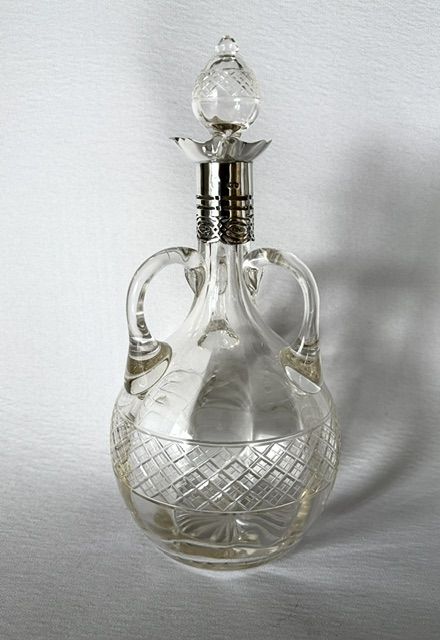
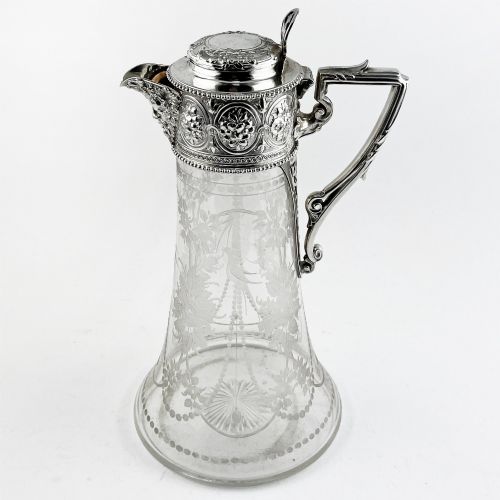
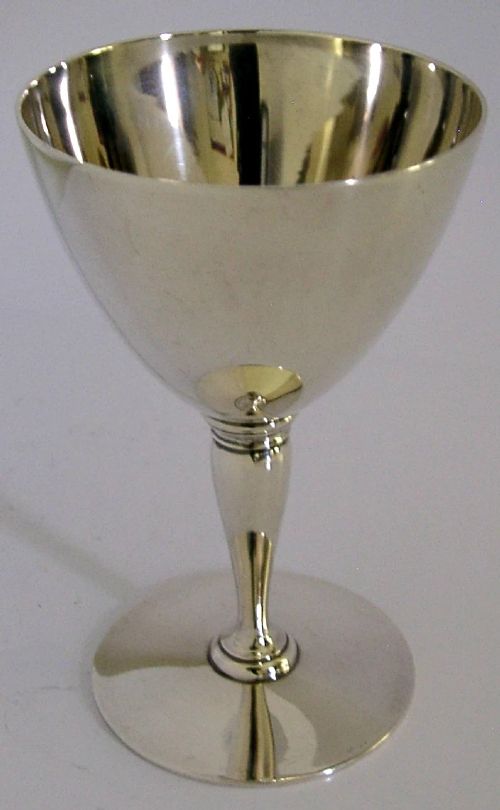
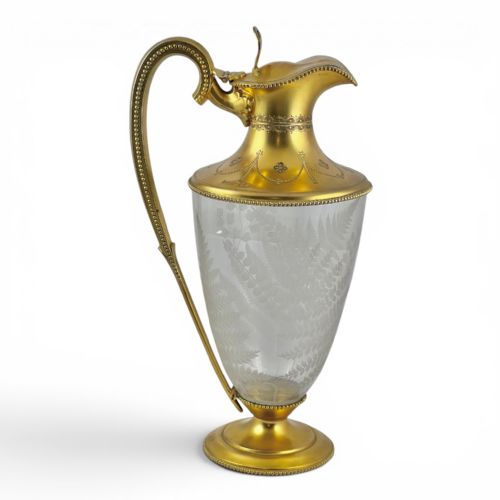
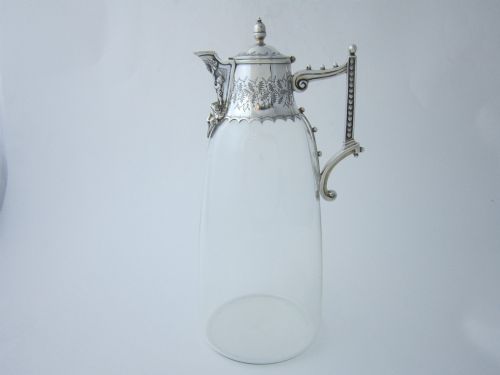
Silver wine glasses encompass various forms designed for serving and consuming wine, spanning from Victorian claret jugs and decanters to twentieth-century sterling silver goblets. The pieces on this page lean heavily toward nineteenth-century and Edwardian vessels, featuring tall crystal bodies mounted with silver collars, handles, and lids.
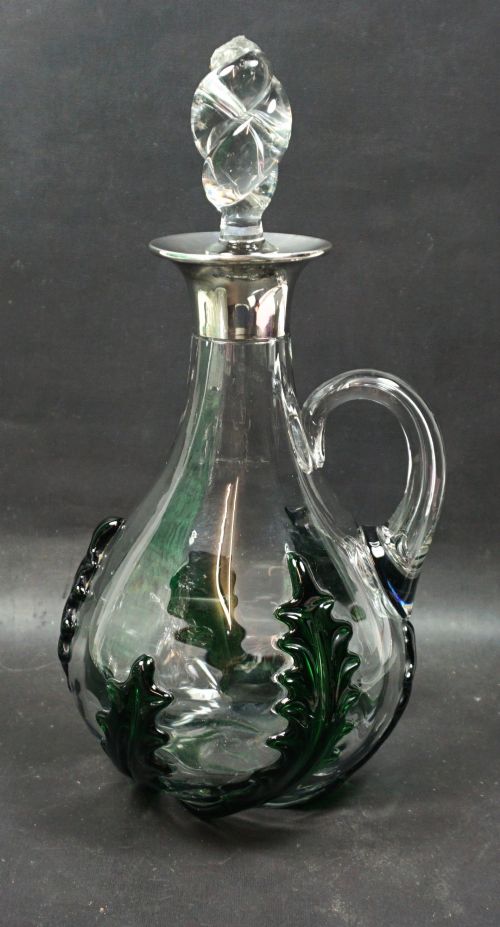
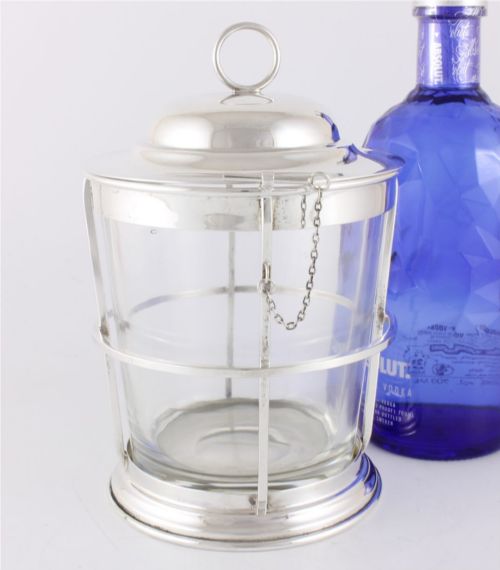
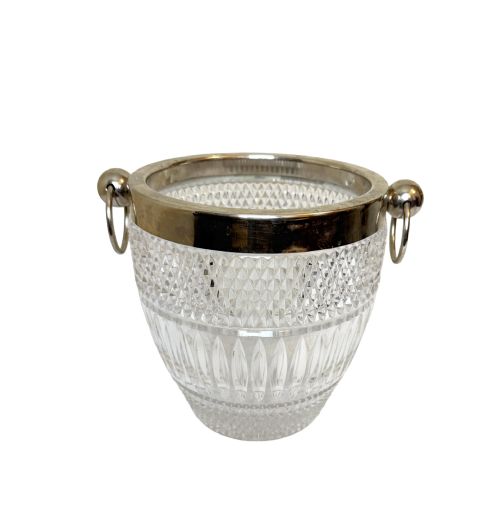
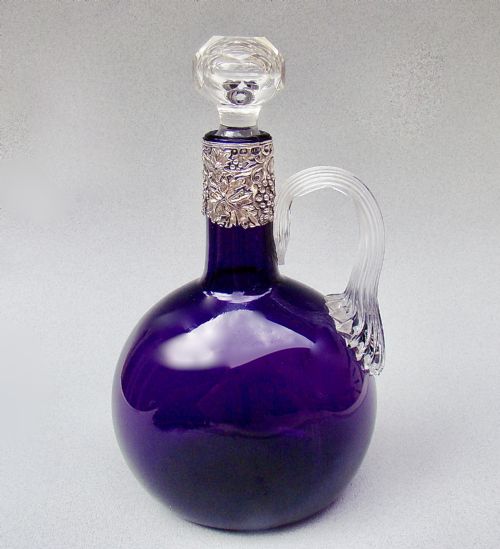
Beyond standard decanters and jugs, the selection includes barware and ice buckets combining silver plate with cut or amethyst glass. Forms vary from simple sherry decanters to elaborate Victorian rococo revival vessels and art deco cocktail cups.
Origins stretch across English workshops from the 1860s through the 1920s, utilising traditional glass-blowing alongside silversmithing techniques. Buyers seeking silver wine glasses encounter pieces ranging from plain Edwardian collars to heavily engraved sterling silver mounts.
Materials and Technique
Maker construction combines heavy glass bodies with worked metal components, utilising sterling silver, silver plate, and old Sheffield plate alongside cut crystal, amethyst glass, and etched glass. Glass vessels were blown and frequently cut with geometric patterns or floral engravings before receiving metal mounts, collars, and serpent-shaped handles.
Silversmiths attached silver collars and mounts directly to the glass necks, employing techniques such as parcel gilding, chasing, and repousse work for decorative surfaces. Maker marks and hallmarks stamped into the silver components record the assay office, city, and date of manufacture.
Silver Wine Glasses Retail Price Guide 2026
Typical asking prices for silver wine glasses among the pieces listed under this phrase on Sellingantiques today, from the lower quarter to the upper quarter. They describe what is for sale here now, not the wider market.
Certain Victorian claret jugs feature writhing serpent handles designed to give diners a mild thrill while pouring the evening vintage.
Distinctions in Quality
Quality rests upon the weight of the metal and the clarity of the glass, distinguishing solid sterling silver mounts and heavy hand-cut crystal from lighter silver-plated fittings over pressed glass. Finer examples display crisp floral engraving, substantial handle casting, and tight integration between the metal collar and the glass vessel.
Maker attribution elevates a piece, with recognised silversmiths and firms producing mounts with superior definition and finish. The complexity of the glass cutting, the depth of silver parcel gilding, and the presence of registered hallmarks further separate standard production items from exceptional specimens.
William Comyns·Asprey and Co. Ltd·TIFFANY and Co·PH Vogel·Henry Matthews
The Silver Wine Glasses Glossary
- Claret jug
- A specialised pouring vessel designed for red wine, typically featuring a glass body with a silver-plated or sterling silver handle, spout, and hinged lid.
- Sterling silver
- An alloy containing 92.5 percent silver by mass, used for the structural mounts and collars on finer wine vessels.
- Silver plate
- A layer of silver applied to a base metal core, frequently utilised on nineteenth-century and Edwardian barware and jugs.
- Parcel gilt
- Silver objects that are partially gilded with gold on specific interior or exterior surfaces to provide visual contrast.
- Cut crystal
- High-clarity glass shaped by cutting geometric or floral facets into the surface to reflect light across the wine vessel.
Silver Wine Glasses: Frequently Asked Questions
How do I clean antique silver wine glasses?
Clean the silver components gently with a specialised silver cloth, avoiding abrasive pastes that might scratch the metal or transfer onto the glass.
Wash the glass bodies separately in warm soapy water, ensuring moisture does not become trapped beneath sealed silver collars.
Are silver wine glasses safe for modern dining?
Most pieces function adequately for serving wine at the table, provided the glass and silver mounts are inspected for structural stability.
Older silver plate and sterling silver will react naturally to acidic wines, so rinse the vessels promptly after use.
How do I identify a Victorian claret jug?
Victorian examples typically feature heavy cut glass bodies paired with elaborate silver-plated or sterling silver mounts, often decorated with floral engraving or sculptural handles.
Look for stamped hallmarks on the silver collar that indicate assay offices in London, Birmingham, or Sheffield during the nineteenth century.
What is the difference between crystal and glass?
Crystal contains lead oxide or other additives that increase the refractive index, giving the material greater brilliance and a clearer ring when struck.
Standard glass lacks these additives, resulting in a lighter weight and less sparkle under dining room lighting.