

Silver Wine Glass
A silver wine glass combines precious metal with glass or crystal, offering a tactile way to serve and enjoy wine.
Silver Wine Glass
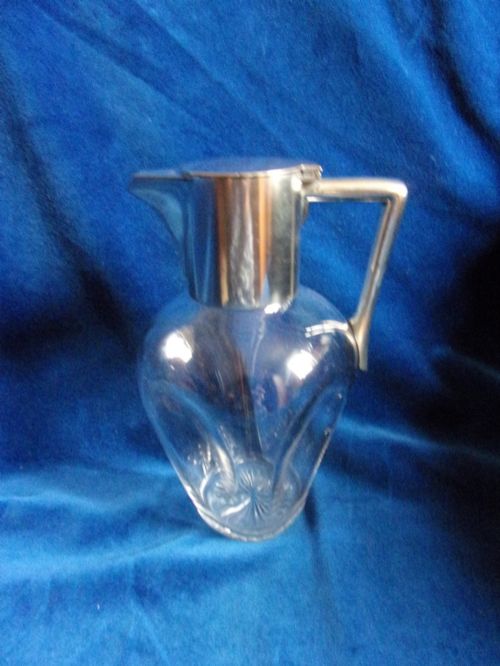
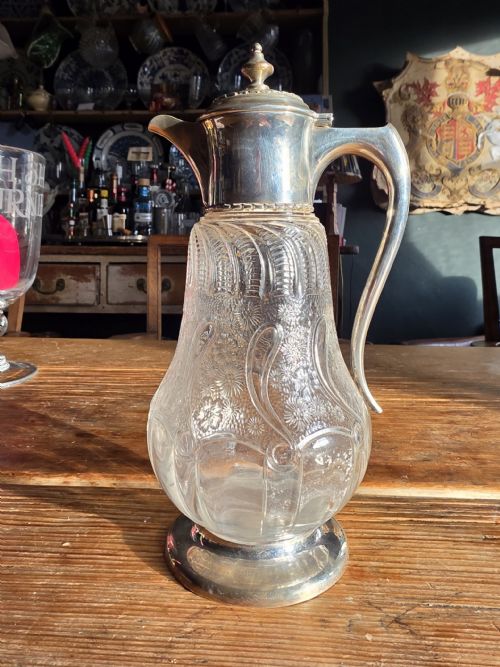
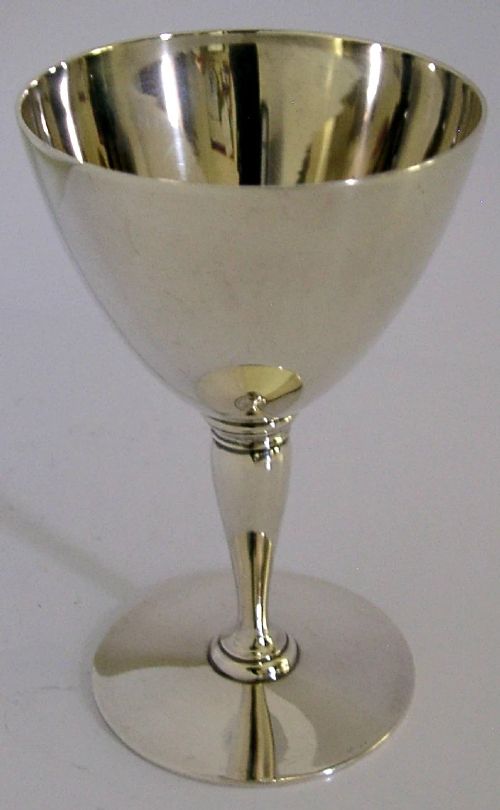
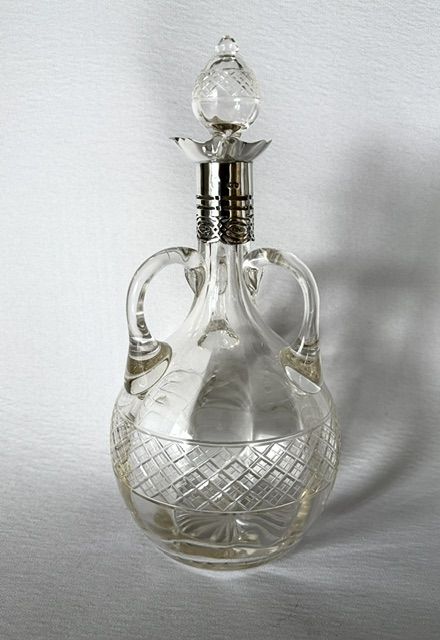
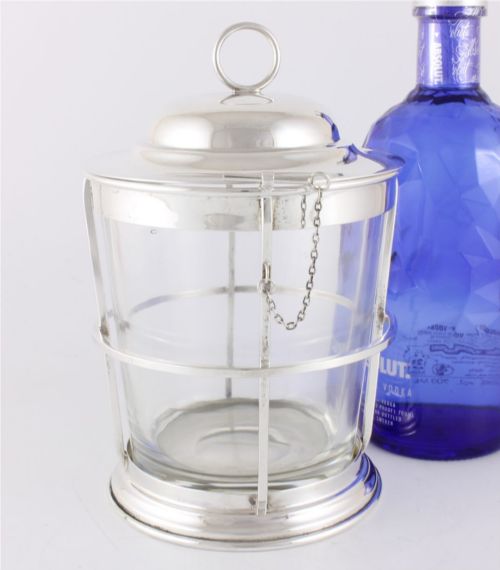
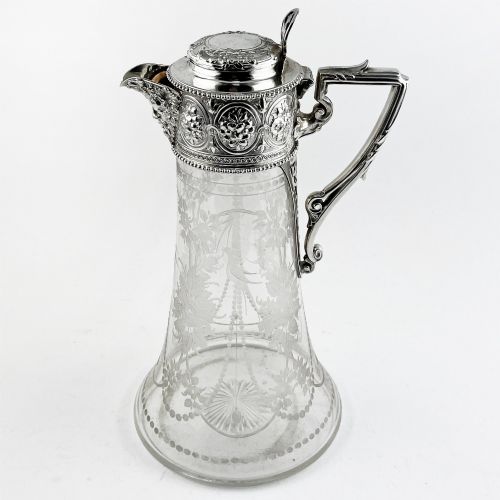
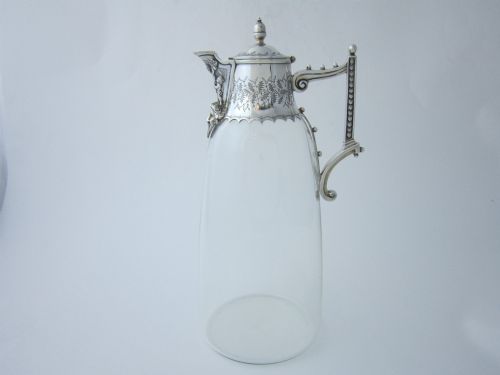
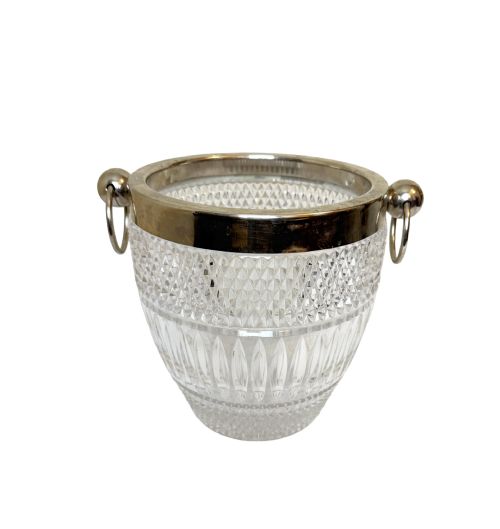
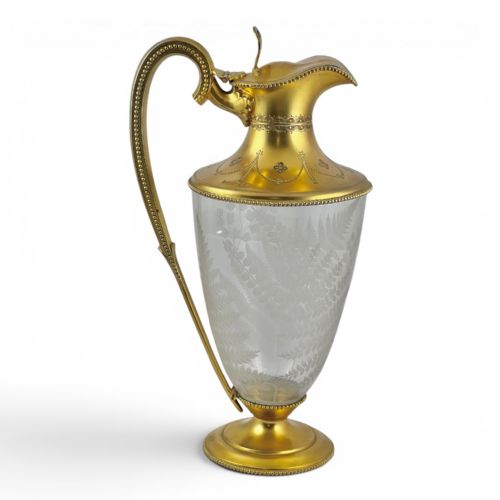
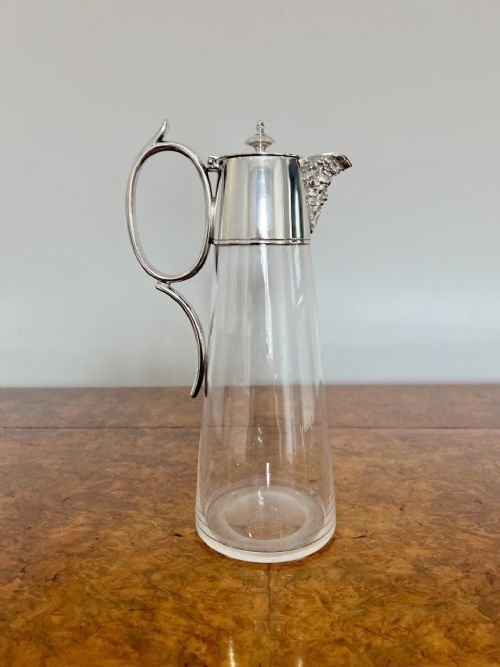
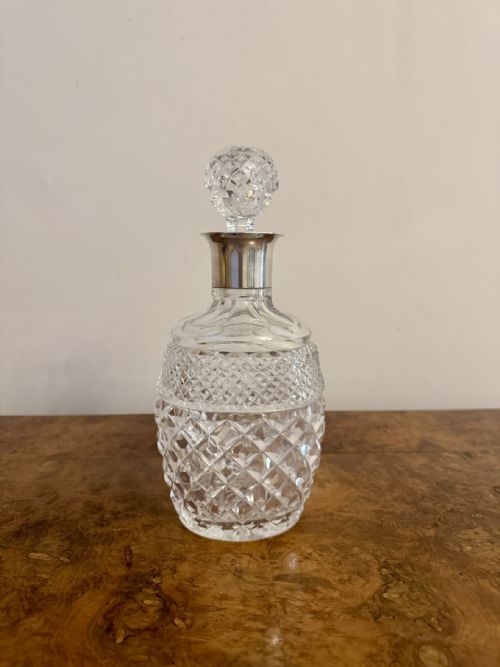
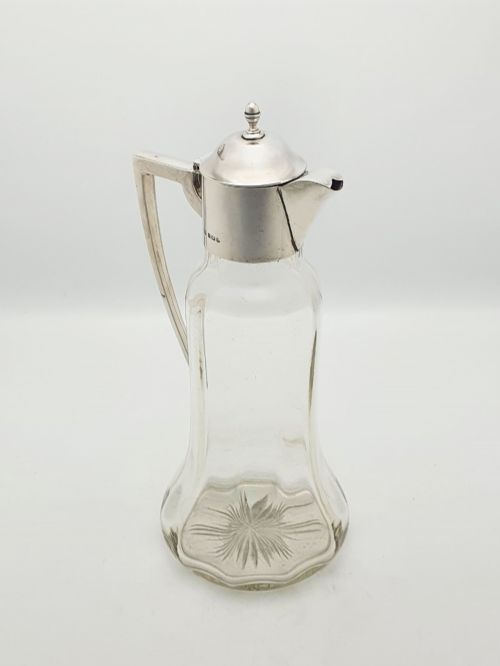
A silver wine glass encompasses drinking vessels, goblets, and mounted glassware used for serving and consuming wine. Buyers searching for a silver wine glass will encounter various forms, including claret jugs, decanters, and cocktail cups.
The most common versions on this page combine silver plate or sterling silver mounts with glass bodies, ranging from Victorian cut glass to Edwardian decanters. These pieces reflect historical dining traditions from the nineteenth and twentieth centuries.
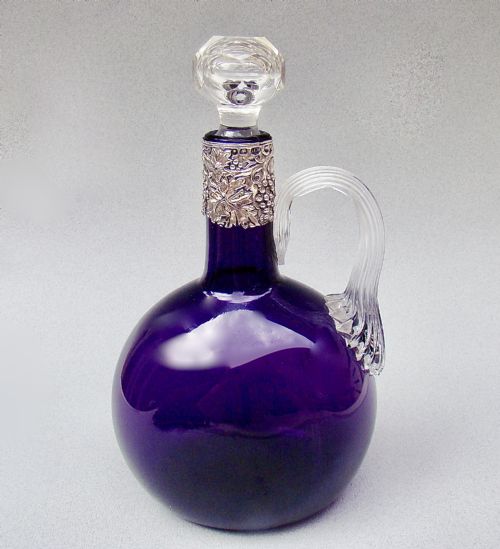
Makers produced these objects in styles spanning Victorian, Edwardian, and Art Deco periods, utilising materials such as amethyst glass, cranberry glass, and crystal.
How they were made
Silversmiths formed the mounts, collars, handles, and stoppers from sterling silver or silver plate, frequently employing casting, engraving, and parcel gilding techniques. These metal elements were then secured to blown, moulded, or cut glass bodies.
Glassmakers utilised techniques like wheel-cutting for crystal, acid-etching, and overlay methods to create decorative surfaces on vessels made of green, amber, ruby, or amethyst glass.
Makers combined these materials using fitted collars and secure mounts, occasionally integrating specialised elements such as bacchus masks or serpent handles into the design.
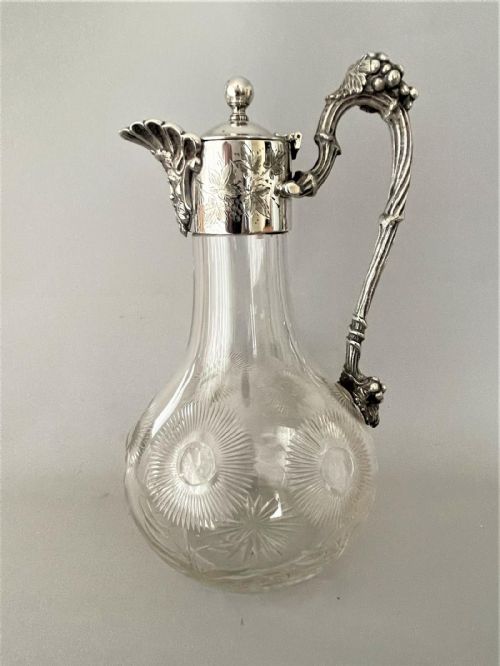
Certain claret jugs feature elaborate cast serpent handles and bacchus masks peering out from the silver collar.
What varies in quality
The weight and gauge of the sterling silver or silver plate affect the substance of mounts, handles, and collars. Heavier metalwork and crisper, deeper hand-engraving distinguish finer examples from simpler production.
The clarity, depth of cut, and hand-finishing of the glass body determine the visual standard of the piece. Clear crystal and richly coloured glass types, such as cranberry or amethyst, demonstrate superior material selection.
The precision with which the silver mount fits the glass vessel indicates the standard of craftsmanship during assembly.
Asprey and Co. Ltd·TIFFANY and Co·PH Vogel·HENRY MATTHEWS·Bradbury
The Silver Wine Glass Glossary
- Claret jug
- A vessel designed specifically for serving red wine, typically featuring a glass body with a silver handle, spout, and hinged lid. These pieces date frequently to the Victorian and Edwardian periods.
- Sterling silver
- An alloy consisting of 92.5 percent silver and 7.5 percent other metals, usually copper. This standard material appears across numerous nineteenth and twentieth-century drinking vessels.
- Silver plate
- A layer of silver bonded to a base metal core such as copper or Britannia metal. Old Sheffield plate represents an early form of this technique.
- Parcel gilt
- Silverwork that is partially gilded with a thin layer of gold on specific interior or exterior surfaces. This technique highlights engraved details and mounts.
- Cut glass
- Glass decorated by cutting facets or patterns into the surface using rotating wheels. This process enhances the brilliance of crystal and heavier glass vessels.
Silver Wine Glass: Frequently Asked Questions
How do I clean silver wine glass mounts?
Clean silver mounts gently with a soft cloth and a specialised silver cleaner, taking care to avoid splashing cleaning agents onto the glass body.
Prevent polish from building up in engraved crevices and rinse the piece thoroughly with lukewarm water before drying.
Can I use these antique pieces for dining?
Many of these vessels remain entirely functional for serving wine, water, or spirits at the table today.
Inspect the interior for any historic residues and wash delicate glass items by hand rather than placing them in a dishwasher.
How do I identify Victorian pieces?
Victorian items often feature distinct hallmarks on the silver mounts indicating the assay office and date of manufacture.
Stylistic indicators include heavy floral engraving, Rococo Revival scrolls, and deep wheel-cut crystal patterns characteristic of the nineteenth century.
What is the difference between crystal and glass?
Crystal contains lead oxide, which adds weight, brilliance, and a resonant sound when struck compared to standard glass.
Both materials appear frequently in nineteenth-century decanters and jugs paired with silver mounts.