
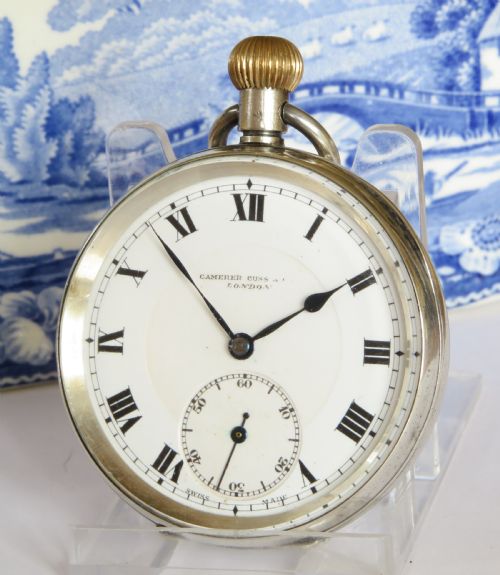
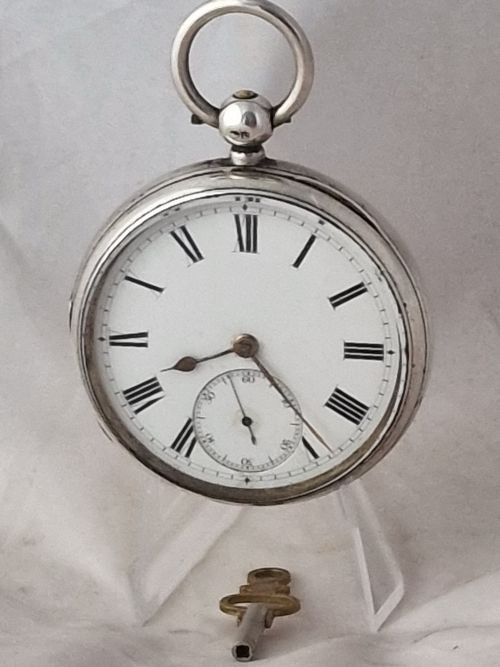
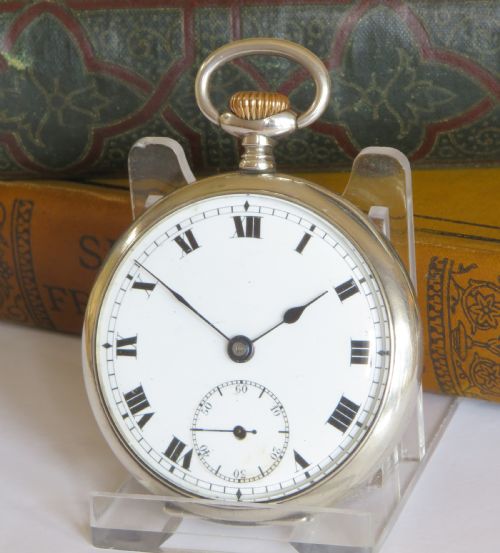
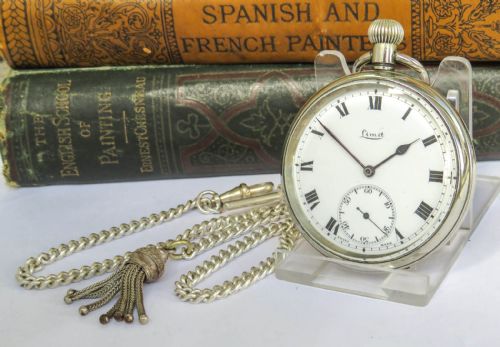
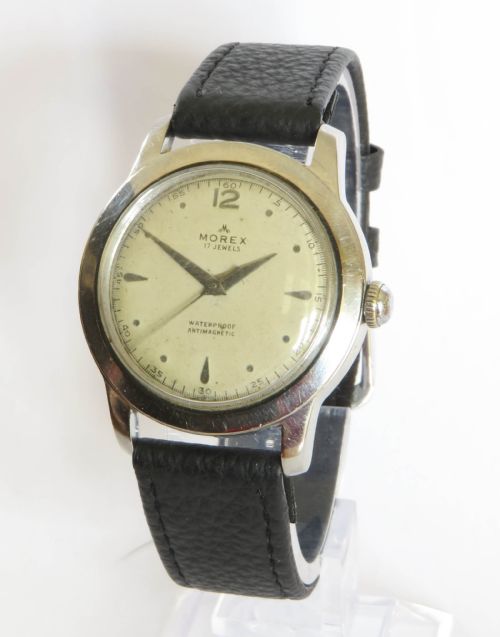
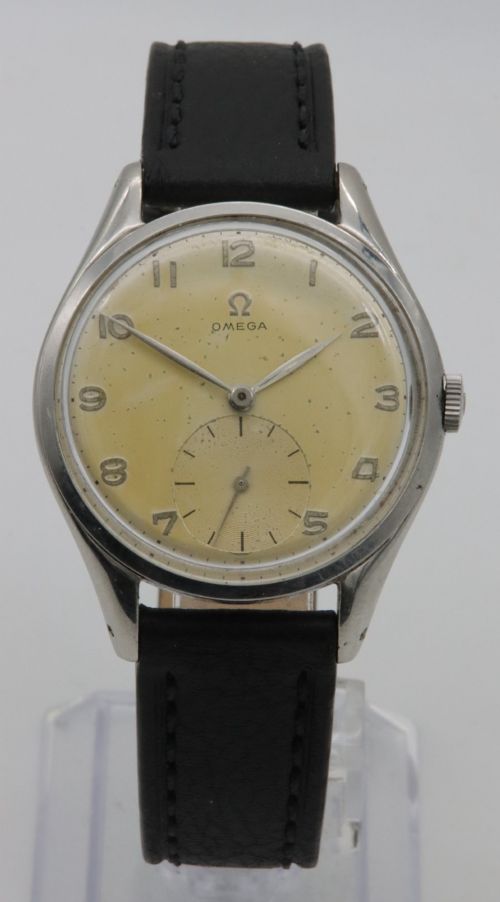
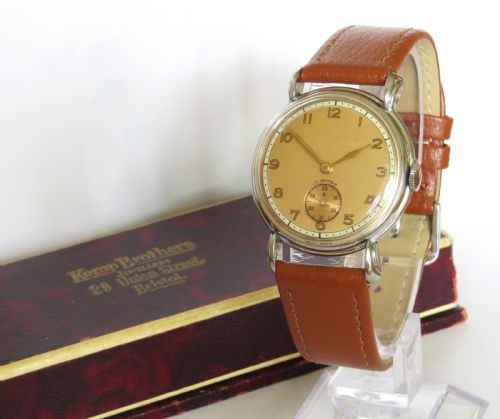
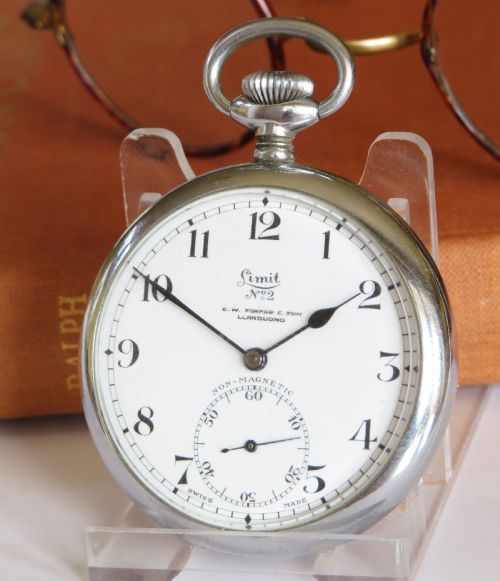
Silver Winding Watch
A silver winding watch offers the tactile rhythm of manual operation housed in a precious metal case.
Silver Winding Watch
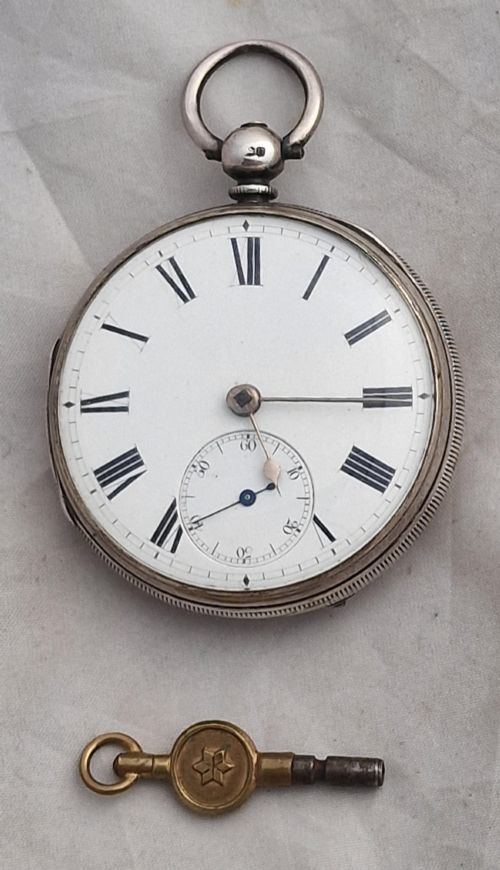
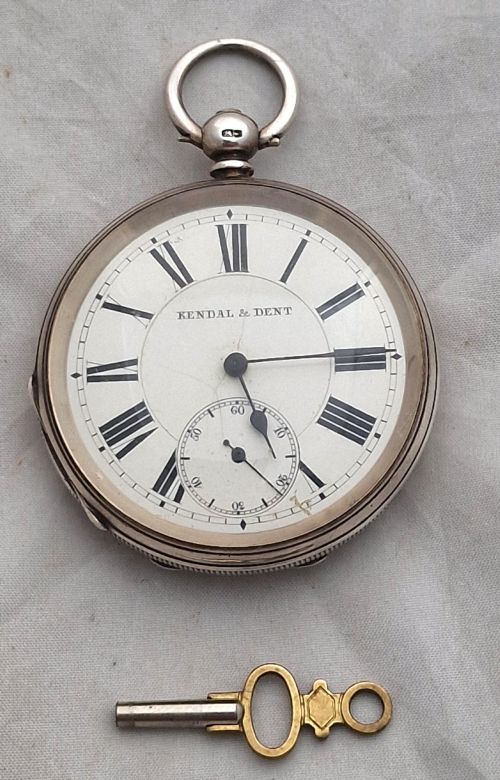
A silver winding watch spans portable timepieces designed for the pocket or wrist, encompassing both key-wound and stem-wound mechanisms.
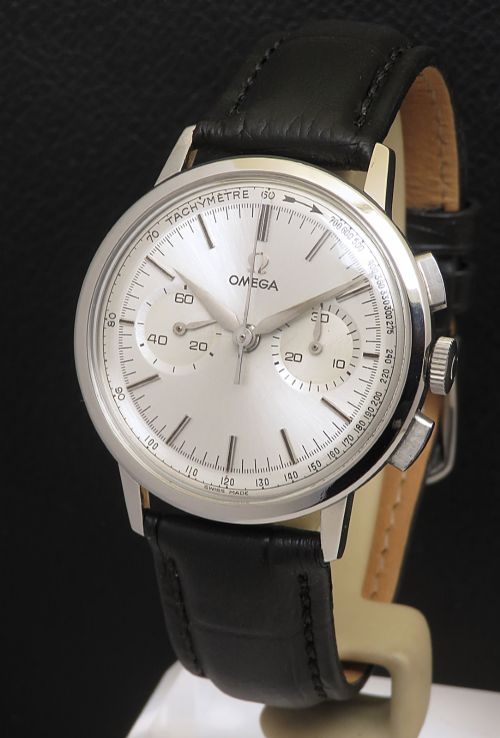
Pocket watches dominate the earlier Victorian and Edwardian examples, while wristwatches emerge more frequently by the mid-century decades.
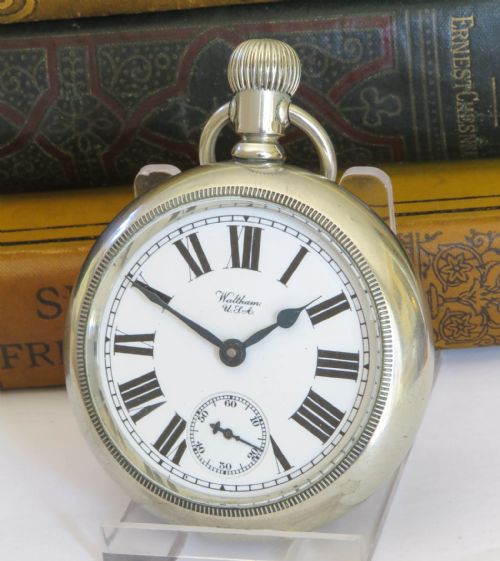
These pieces originate from British, Swiss, and American workshops, reflecting varied functional contexts from railway timing to everyday wear.
Materials and Construction
Cases utilise solid silver alongside glass crystals, occasionally paired with enamel dials or detailed niello decoration.
Movements incorporate brass and steel components, housed within protective cases that sometimes feature secondary inner dust covers.
Listings feature silver winding watches spanning the Victorian period through to the 1960s, utilising stainless steel, brass, and enamel alongside solid silver.
Execution and Detail
Quality rests in the refinement of the movement, where jewelled bearings and chronograph complications separate standard production from high-grade horology.
Case execution also distinguishes examples, seen in the crispness of engine-turned patterns, hallmarks, and heavy gauge silver construction.
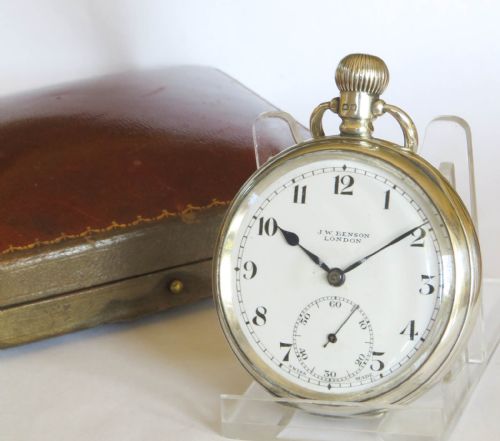
J W Benson·Waltham·Cyma·Guinand·Tavannes
The Silver Winding Watch Glossary
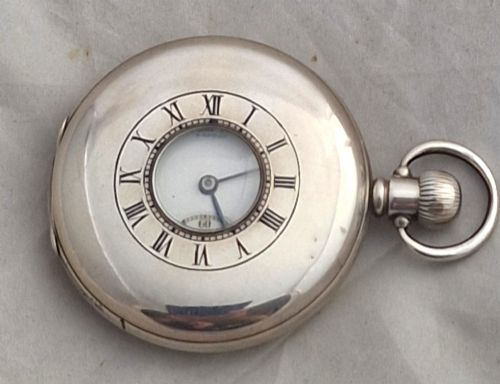
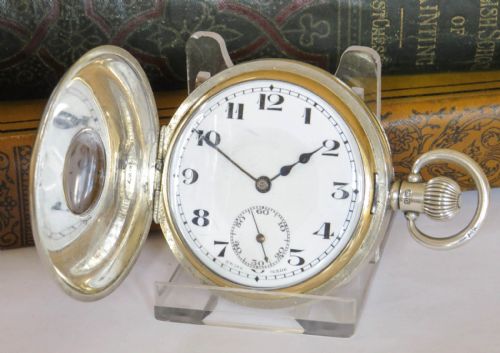
- Half Hunter
- A pocket watch case featuring a solid outer cover with a glass-centred central aperture, allowing the time to be read without opening the case.
- Fusee
- A conical pulley device connected to the mainspring by a chain, designed to equalise the driving force as the spring unwinds.
- Full Hunter
- A pocket watch equipped with a spring-loaded metal cover that entirely protects the dial from damage.
- Niello
- A black metallic alloy used as an inlay on engraved metal, creating contrasting dark decorative patterns against the silver background.
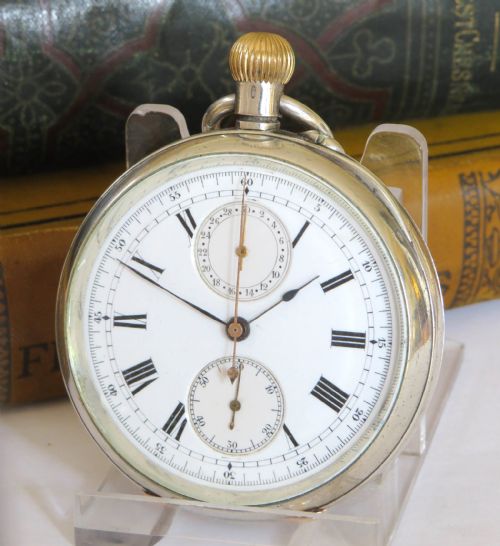
- Chronograph
- A watch equipped with a distinct independent sweep-second hand that can be started, stopped, and returned to zero for timing intervals.
Silver Winding Watch: Frequently Asked Questions
How do I wind my pocket watch?
Wind the crown gently between your thumb and forefinger in a clockwise direction until you feel firm resistance. Stop immediately at that point to avoid damaging the internal mainspring.
For key-wound pieces, use the matching key on the dial or back square, turning it with steady, minimal pressure until fully tensioned.
Can I wear a pocket watch daily?
Pocket watches suit daily carrying provided you secure them properly with a chain attached to a buttonhole or waistband. Keep the watch in a dedicated pocket free from keys or coins to prevent scratching the silver case.
While robust, these vintage mechanisms lack modern shock protection, so avoid dropping them on hard surfaces.
How do I identify the production era?
Examine the hallmarks stamped inside the silver case back, which indicate assay office locations and specific date letters for British items. Swiss and American pieces often rely on movement serial numbers or maker records to pinpoint their decade of manufacture.
Stylistic cues such as dial typography, hand shapes, and case decoration also help narrow down the period from Victorian to mid-century.
What is the difference between key and stem wind?
Key-wound watches require a separate small key placed onto an internal arbor to tension the spring and set the hands, reflecting older nineteenth-century production methods. Stem-wound watches integrate this function directly into the winding crown at the top of the case.
Stem winding largely superseded key winding by the late Victorian era for greater convenience and better case sealing.