
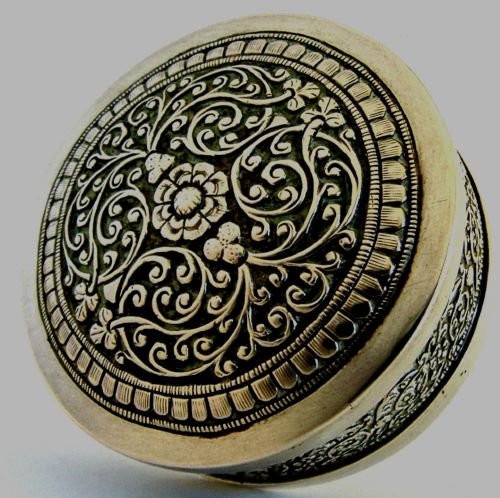
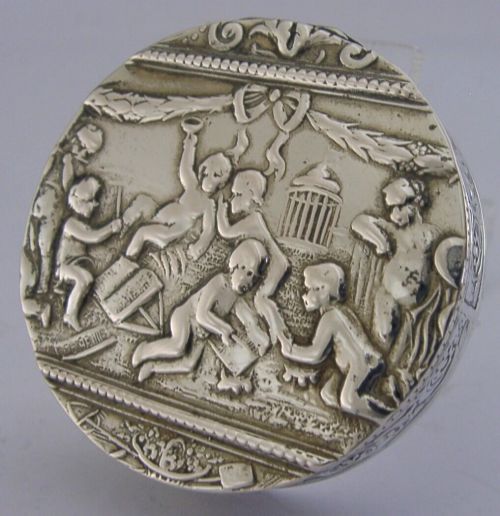


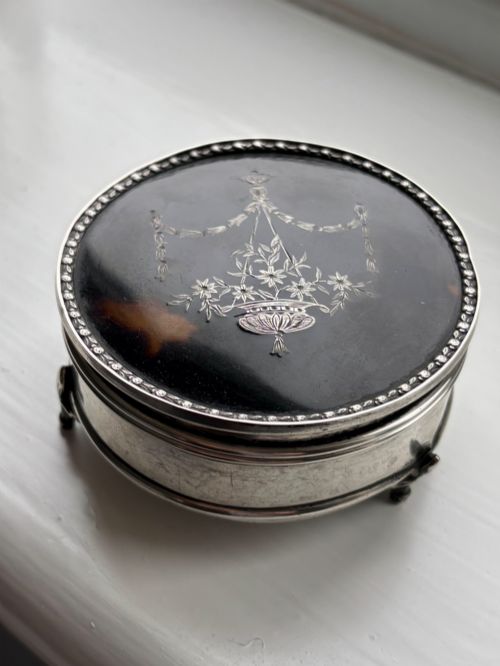
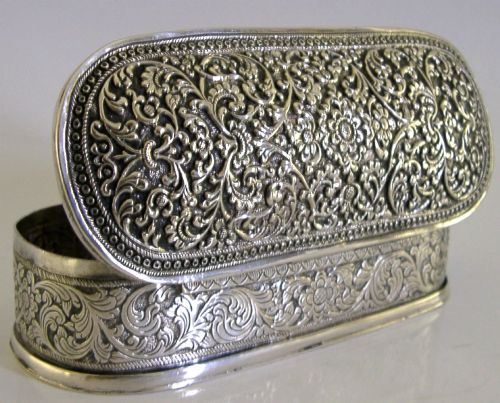

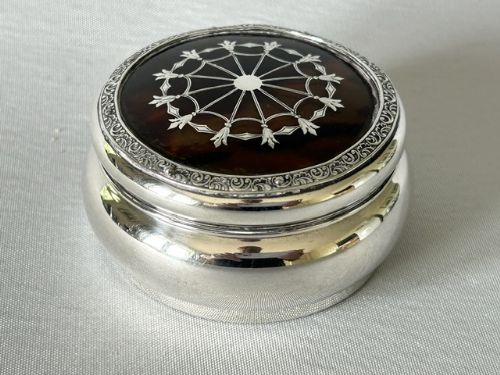
Silver Vanity Container
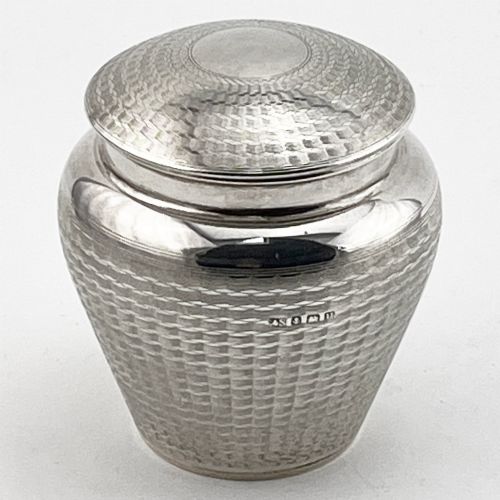
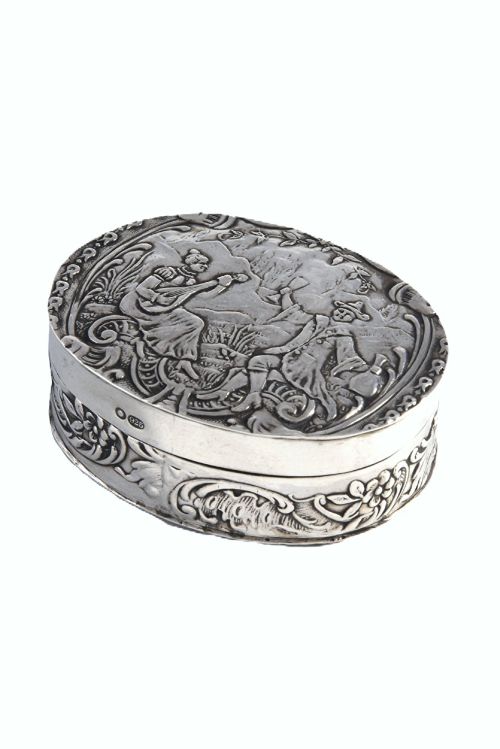
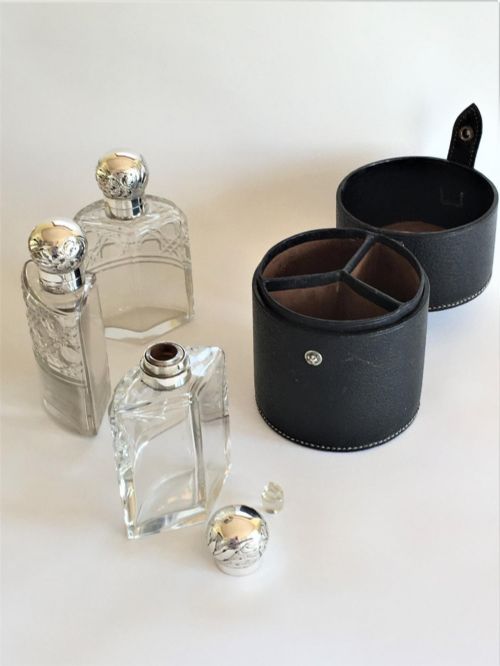
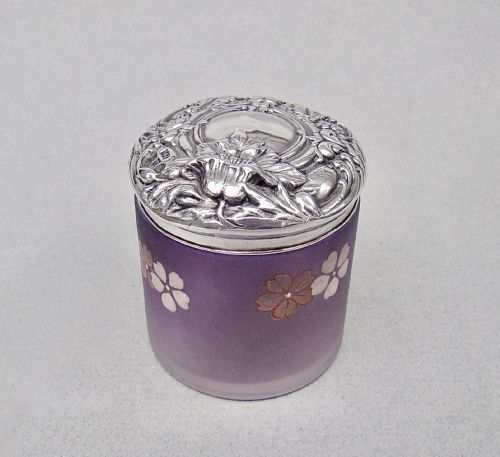
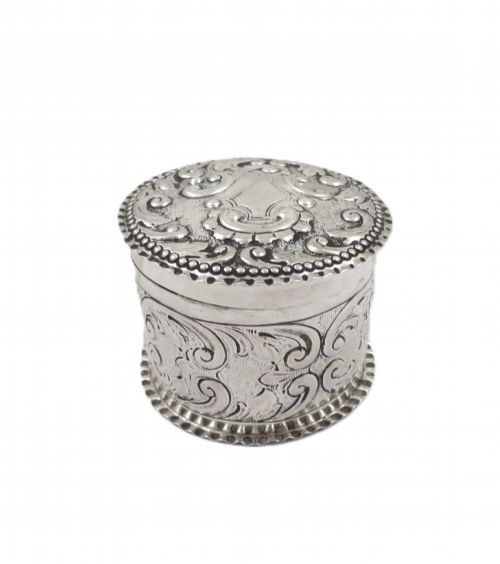
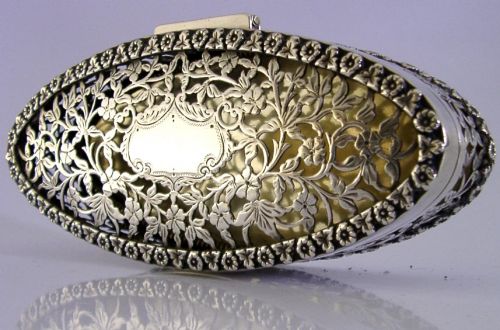
These silver vanity container pieces span trinket boxes, pill holders and dressing table jars intended to hold personal treasures.
Silver Vanity Container
A silver vanity container encompasses a diverse range of dressing table accessories, from small pill boxes and scent flasks to larger trinket caskets and powder jars. When exploring this selection, buyers frequently encounter Edwardian and Victorian examples alongside Art Deco designs.
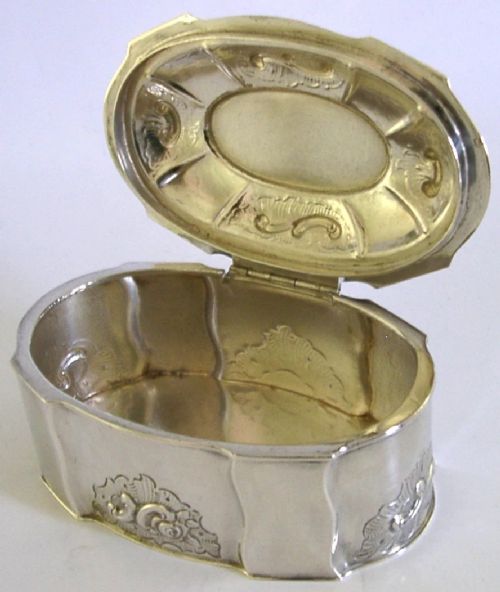
The objects serve both decorative and practical functions for holding jewellery, cosmetics, or keepsakes on a dressing table. Forms vary from simple round and oval vessels to heart shapes, tea caddies, and figural boxes featuring cherub relief scenes.
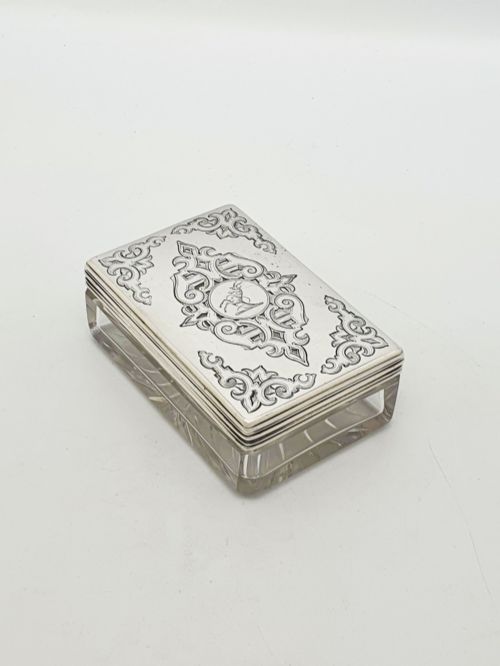
Origins stretch across British silversmiths in Birmingham and Chester to continental European workshops and Indian or Ceylonese regional silver boxes. Pieces frequently combine sterling silver mounts with cut glass, frosted glass, or amethyst glass bodies.
What Varies in Quality
Quality rests upon the crispness of the silversmith's chasing and the weight of the solid silver metal used in the construction. Pieces displaying deep figural relief or hand-pierced openwork demonstrate superior craftsmanship compared to simpler pressed metal boxes.
The integration of secondary materials significantly influences distinction, particularly the clarity of cut glass bodies, the preservation of fragile tortoiseshell, and the smooth application of coloured guilloche enamel without chips or fractures. Maker attribution to notable retailers or silversmiths further distinguishes exceptional specimens.
Listings feature Edwardian, Victorian, and Art Deco styles alongside George V and Georgian periods, incorporating materials like tortoiseshell and enamel.
Ollivant and Botsford·Paul Storr·Asprey and Co·George Adam Scheid·Omar Ramsden
The Silver Vanity Container Glossary
- Guilloche enamel
- Enamel applied over engine-turned metal substrate. This technique creates repeating geometric patterns visible beneath a translucent coloured glass surface.
- Pique work
- Inlay technique utilising tiny gold or silver pins pressed into tortoiseshell. Artisans arrange these metallic dots to form delicate floral or geometric motifs.
- Repoussé
- Metalworking method of hammering a design from the reverse side. This process raises high-relief ornamentation on the exterior of the silver box.
- Sterling silver
- Alloy comprising a fixed proportion of pure silver combined with copper. British items carry hallmarks confirming this specific metal standard.
Silver Vanity Container: Frequently Asked Questions
What fits inside a silver vanity container?
These vessels suit small personal items such as rings, earrings, pills, and collar studs. Many were specifically tailored for vanity tables to hold face powder, rouge, or hairpins.
Larger caskets accommodate slightly bulkier trinkets or rosary beads, while specialised containers house scent bottles or stamps.
How do I date a silver vanity container?
British pieces typically rely on standard assay office hallmarks stamped directly onto the silver mount. These marks reveal the specific city of testing and the exact year of production.
Stylistic indicators such as Art Deco geometric lines or Edwardian pierced work help narrow down items lacking clear stamps.
Are glass and silver boxes fragile?
The combination of silver mounts and glass bodies requires careful handling on hard dressing table surfaces. Cut glass and amethyst glass liners are thick but vulnerable to heavy impacts.
Internal linings made of suede or silk also need protection from moisture and direct sunlight to prevent textile degradation.
Did continental makers produce different styles?
Continental workshops frequently employed heavy solid silver and distinct figural motifs such as cherubs or ornate rococo scrollwork. German and Scandinavian pieces often display unique hallmarks differing from standard British assay symbols.
Ceylonese and Indian export boxes utilise dense native silverwork depicting regional fauna and flora.