


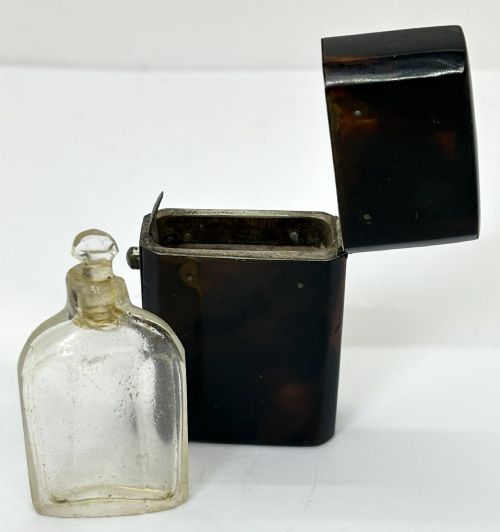


Silver Tortoiseshell Box
When you handle a silver tortoiseshell box, you hold a tactile fusion of translucent warm shell and gleaming sterling mounts crafted to secure small treasures.
Silver Tortoiseshell Box
A silver tortoiseshell box combines organic, mottled scales with precious metal hinges, feet, and lids, appearing across diverse forms from the eighteenth century into the twentieth century. Collectors encounter small trinket holders, dressing table jars, and larger jewellery caskets bearing this distinctive pairing of materials.
The Edwardian and George V periods supply a high proportion of the items seen here, often taking the form of silver-mounted trinket boxes and vanity pieces. Earlier Georgian and Regency examples tend towards tea caddies, card cases, and pocket snuff boxes constructed with meticulous attention to miniature scale.
Makers utilised the natural warmth of the shell alongside sterling silver to create accessories for the vanity, desk, and drawing room. Pieces range from simple circular pill containers to fitted multi-compartment caskets lined with velvet or silk.
Materials and construction methods
Craftsmen built these objects by mounting thin plates of natural tortoiseshell or faux alternatives onto a supportive core of wood, metal, or directly framing them in sterling silver. Silver mounts, hinges, and scroll feet were shaped independently and secured with tiny pins or adhesives to the organic shell exterior.
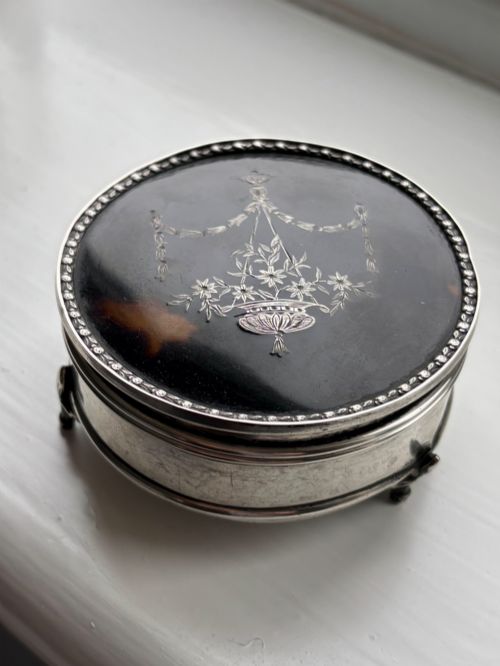
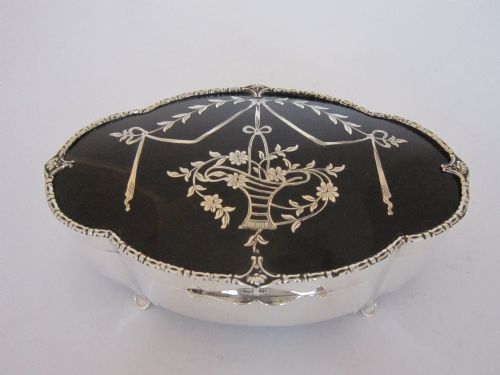
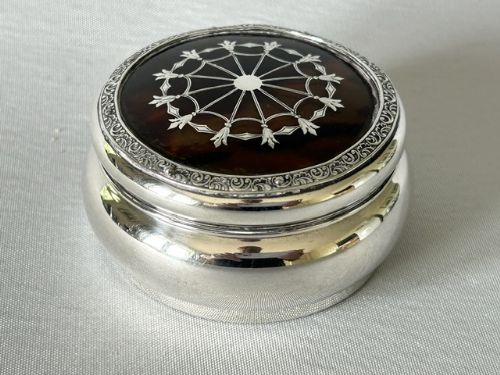
Piqué work introduced delicate inlay of gold or silver wire and tiny stamped pings into the softened surface of the tortoiseshell. Workshops also employed silver-gilt interiors, glass liners, and mother-of-pearl accents to enrich the structural complexity of dressing table boxes and vanity sets.
Silver Tortoiseshell Box Retail Price Guide 2026
Typical asking prices for silver tortoiseshell box among the pieces listed under this phrase on Sellingantiques today, from the lower quarter to the upper quarter. They describe what is for sale here now, not the wider market.
Listings feature items spanning the 18th Century through the Edwardian period, utilising tortoiseshell, sterling silver, bone, glass, and wood.
Evaluating craftsmanship and condition
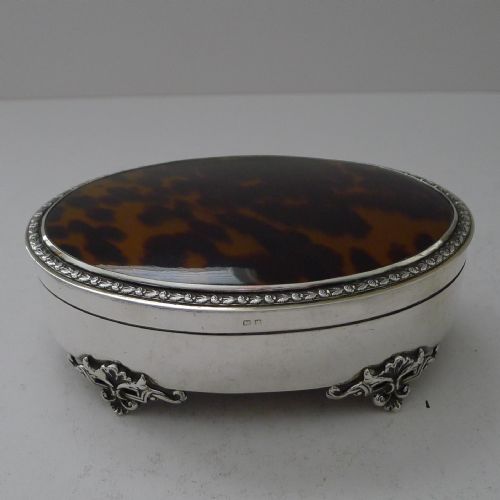
Quality rests upon the depth and translucency of the tortoiseshell figure, where rich amber tones and strong dark mottling command greater visual appeal than flat or murky sections. The precision of the silver mounts, the snugness of the lid closure, and the integrity of any inlaid piqué work further distinguish finer workshop output.
The preservation of the organic shell surface without extensive warping, shrinkage cracks, or replacement panels dictates the desirability of older pieces. Original fabric linings and fully legible silver hallmarks linking the maker and date add significant context to the physical object.
Ollivant & Botsford·Asprey & Co·Horton & Allday·Boardman Glossop & Co·William Comyns·Levi & Salaman·Edward Souter Barnsley·Mappin & Webb
The Silver Tortoiseshell Box Glossary
- Tortoiseshell
- The mottled brown and amber keratin material derived from the shell of certain marine turtles, historically valued for its translucence and warmth. It was worked while heated and pressed into thin veneers for boxes and caddies.
- Piqué
- A decorative technique involving the precise inlay of tiny silver or gold pins, strips, and wire into the surface of tortoiseshell. Artisans heated the shell to soften it slightly before pressing the metal motifs into the material.
- Sterling silver
- An alloy consisting of 92.5 percent silver by mass and 7.5 percent other metals, usually copper, chosen for durability in mounts and frames. British items typically display a lion passant hallmark confirming this standard.
- Tea caddy
- A container designed to store dry tea leaves safely away from light and moisture, often featuring lockable lids. Regency and Georgian examples in tortoiseshell frequently incorporated multiple internal compartments.
- Silver-gilt
- Sterling silver that has been coated with a thin layer of gold through a chemical or electrochemical process, providing a rich golden interior finish. This treatment protected the silver from tarnishing where cosmetics or snuff rested.
Silver Tortoiseshell Box: Frequently Asked Questions
How do I date a silver tortoiseshell box?
Dating relies primarily upon the silver hallmarks stamped on the mounts, which indicate the assay office, standard, and specific year letter. Stylistic indicators such as Edwardian proportions or Georgian tea caddy shapes provide secondary confirmation.
Examining the construction methods, interior wood or card linings, and hinge types helps corroborate the era suggested by the metal stamps.
How were these boxes used originally?
Owners kept them in drawing rooms, dressing tables, and studies to hold personal valuables, pins, cosmetics, or dried tea leaves. Smaller pocket-sized versions served for snuff, stamps, or pills.
Fitted interiors often included velvet or silk bases designed to cushion jewellery, rings, or delicate glass scent bottles against the hard shell and silver structure.
How should I care for tortoiseshell?
Keep the pieces away from direct sunlight, extreme heat, and sudden temperature shifts, which can cause the organic shell to warp, dry out, or crack. Clean the surface gently with a soft, dry cloth without applying harsh chemical polishes.
Moisturising the shell is generally unnecessary and can damage historic adhesives or fabric linings used in the construction.
What is pique work?
Piqué work is a decorative method where artisans inlay microscopic gold or silver wire and tiny stamped metal studs into heated tortoiseshell. This creates intricate geometric, floral, or scroll patterns across the lid of a trinket box or card case.
The technique requires immense precision because the metal must be set flush into the shell while the material cools and hardens.
Are these boxes made of real shell?
Historical examples from the eighteenth and nineteenth centuries utilise genuine marine turtle keratin, while later Edwardian and twentieth-century items occasionally incorporate celluloid or early synthetic substitutes known as faux tortoiseshell. Close inspection under magnification reveals the natural growth patterns and depth absent in artificial plastics.
Examining the back of panels and the weight of the piece helps distinguish genuine organic material from later celluloid alternatives.