


Silver Topped Vanity Jar
A silver topped vanity jar brings the refined dressing table culture of the Edwardian and Art Deco decades straight into modern interior schemes.
Silver Topped Vanity Jar
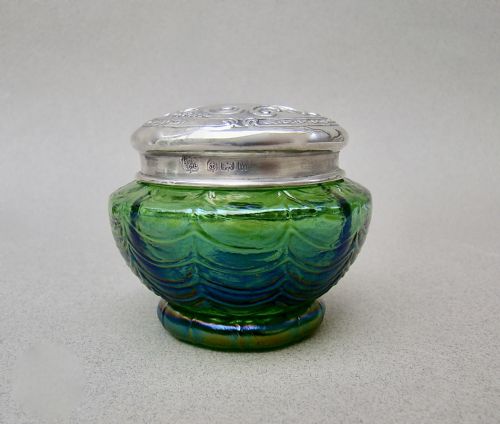
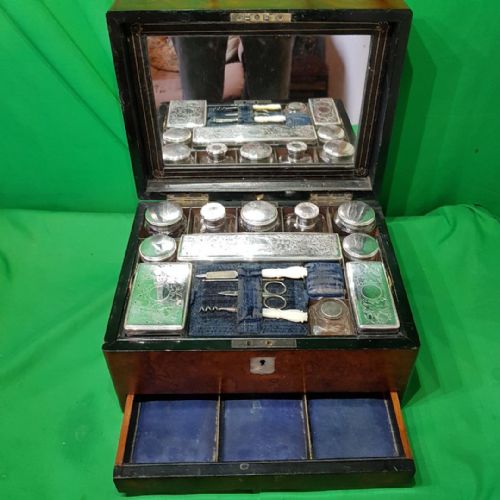
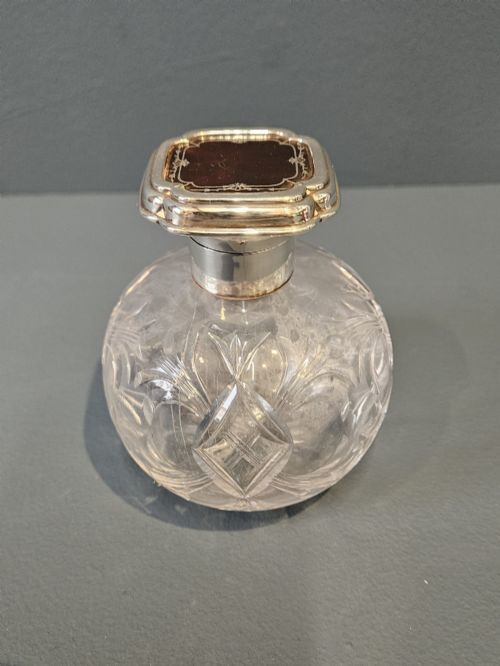
A silver topped vanity jar combines a functional glass or crystal container with a worked metal lid, designed originally for powders, creams or pins. The form ranges from small cylindrical pots to larger circular boxes and globular perfume bottles intended for the dressing table.
Most examples encountered date from the late Victorian period through the Edwardian years up to the Art Deco era of the 1930s. Buyers frequently select these pieces for their decorative glass bodies and the reassuring weight of hallmarked silver tops.
Materials and construction methods
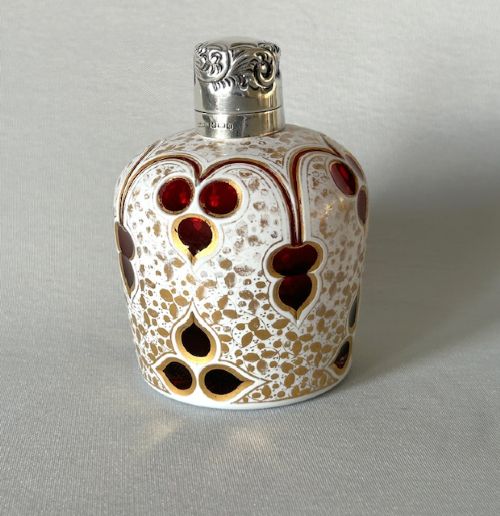
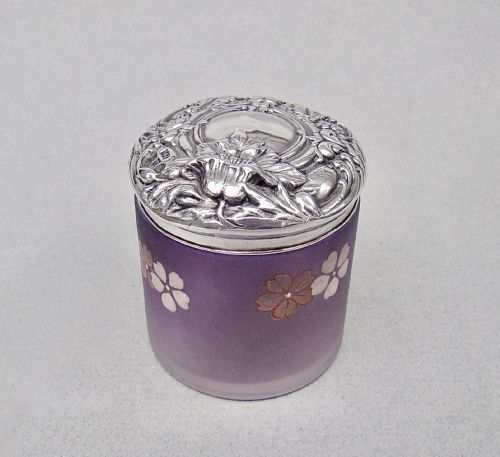
Glass bodies were typically formed through heavy moulding, cutting or blowing, creating faceted crystal or textured surfaces that caught the dressing table light. Coloured glass variants include cranberry, amethyst and opaque white layers beneath clear surfaces.
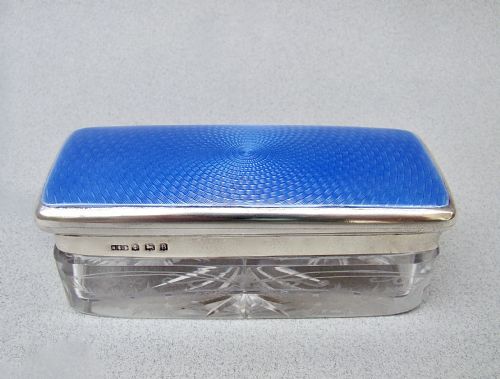
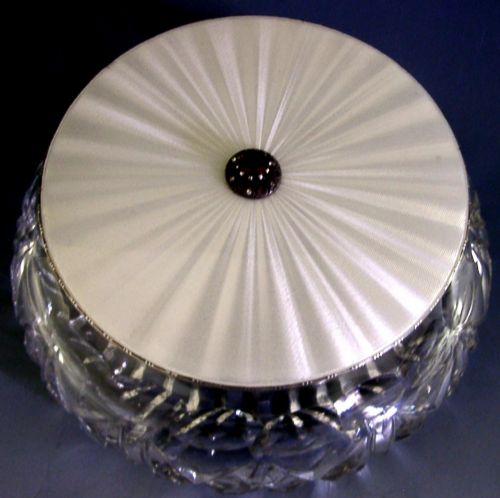
Lids combined sterling silver with specialist decorative techniques such as guilloché enamel work, embossed angel motifs or inlaid tortoiseshell panels. Silversmiths stamped these covers with hallmarks indicating the assay office, year and maker.
Distinguishing the finer examples
Quality rests on the depth of the glass cutting, the clarity of the crystal and the weight of the silver used for the lid. Thicker glass bases and substantial metal gauges indicate superior manufacturing standards from established workshops.
The sophistication of the secondary materials dictates desirability, particularly the precision of engine-turned guilloché enamel or the intact preservation of natural tortoiseshell. Crispness in embossed repoussé work also separates standard utilitarian items from finer luxury goods.
A. J. Pepper & Co·Henry Clifford Davis·Adie Brothers Ltd·Goldsmith's and Silversmith's Co·W J Myatt & Co
The Silver Topped Vanity Jar Glossary
- Guilloché
- A decorative machining technique that etches precise geometric patterns into metal before translucent enamel is applied over the top. This layer creates a shimmering, patterned background beneath the coloured glaze.
- Hallmark
- An official stamp struck into precious metals to guarantee standard of purity, showing the assay office, maker's mark and date letter. These marks allow exact dating of the silver lid.
- Repoussé
- A method of shaping metal by hammering from the underside to form raised decorative reliefs on the surface. Victorian makers frequently utilised this technique for angel and floral motifs.
- Cranberry glass
- A rich red glass created by adding gold chloride to the molten batch during manufacturing. It appears frequently in late nineteenth-century dressing table accessories.
Silver Topped Vanity Jar: Frequently Asked Questions
What were vanity jars used for?
These containers held cosmetics, cold creams, face powders and hairpins on dressing tables during the nineteenth and early twentieth centuries.
Their secure silver lids protected delicate contents from dust and moisture in domestic bedrooms.
How do I clean the silver top?
Use a soft microfibre cloth and a gentle, non-abrasive silver polish applied sparingly to avoid touching any glass or enamel elements.
Keep moisture away from the interior lining and any adhesives securing the lid collar.
Can I date the piece from the hallmarks?
British sterling silver hallmarks provide the exact year of manufacture through an assigned date letter stamp.
The town mark and maker's mark reveal the workshop and assay office responsible for the piece.
How should I display them at home?
Group several jars of varying heights together on a mirrored vanity tray to reflect the cut glass facets and coloured enamel lids.
They function well in modern bathrooms or bedrooms to store small daily accessories safely.