


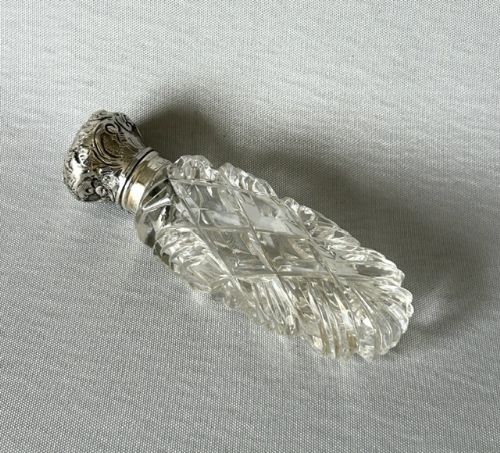


Silver Topped Perfume
Silver topped perfume bottles bring the dressing table traditions of the Victorian and Edwardian eras into focus through glass and metal.
Silver Topped Perfume
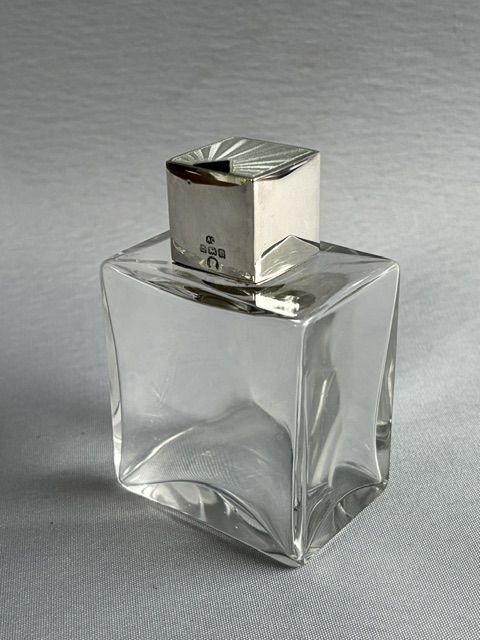
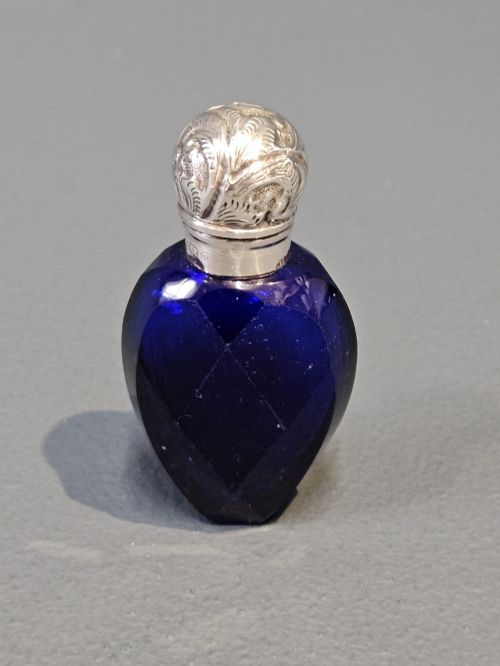
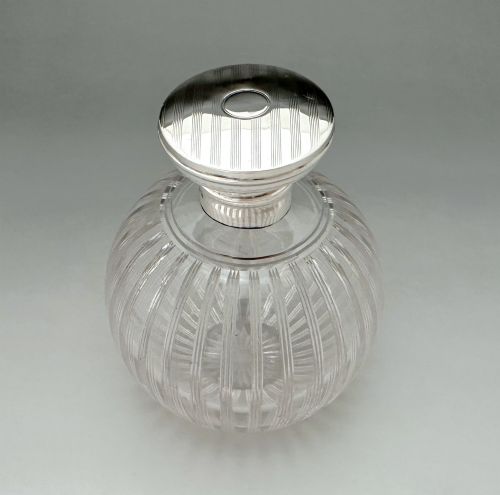
Silver topped perfume bottles and scent bottles combine utilitarian dressing table accessories with decorative glass and metalwork. Buyers search this phrase to find portable and vanity containers intended for personal fragrance during the nineteenth and early twentieth centuries.
The versions met most frequently on this page date from the Victorian and Edwardian periods, stretching into the 1920s and 1930s. Forms range from miniature vessels to globular scent bottles and tall cologne containers designed for daily domestic use.
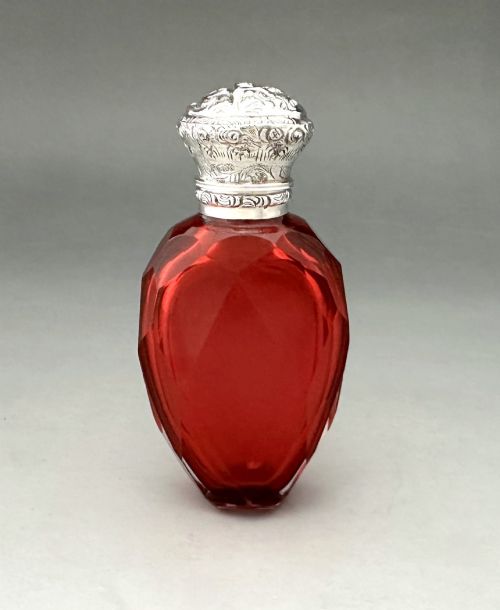
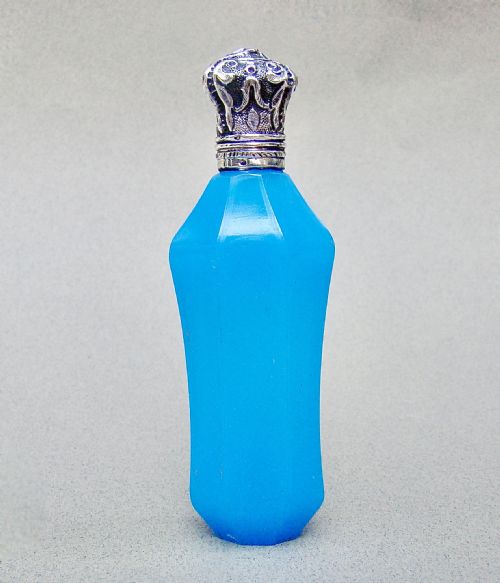
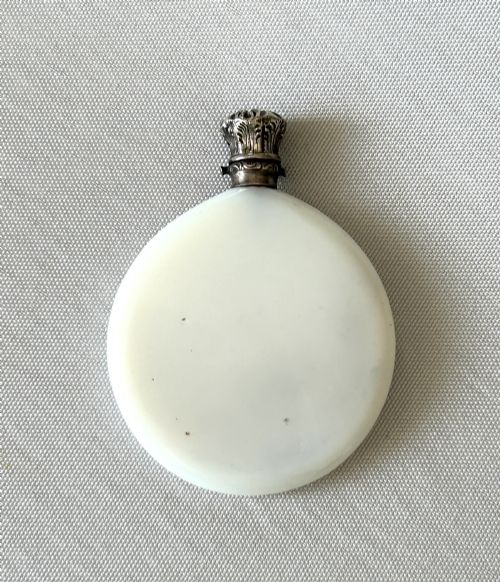
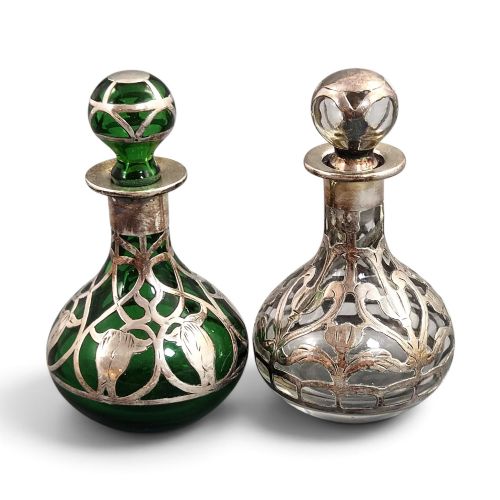
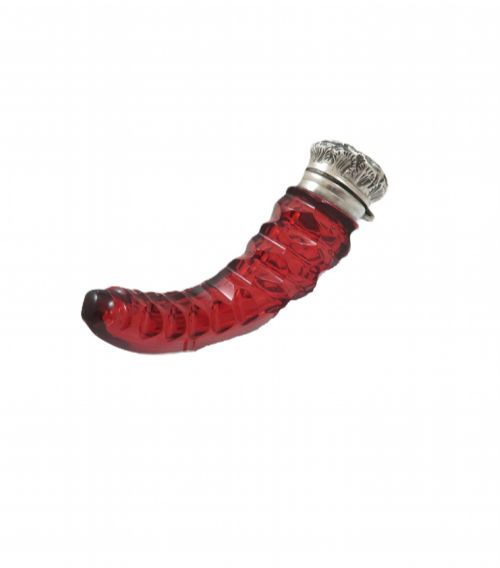
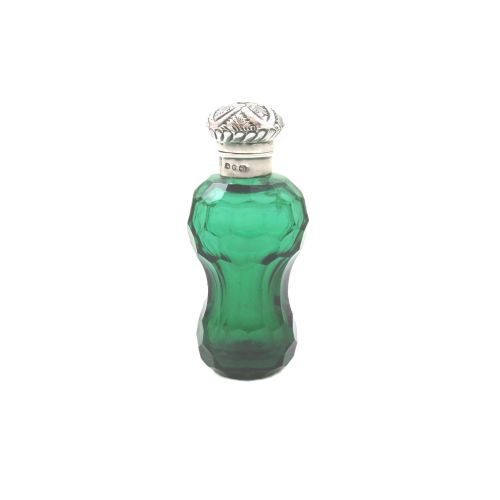
Makers utilised various coloured glass bodies, including opaline, cranberry, ruby, and green glass, alongside cut crystal and overlay techniques. These vessels often appear as individual items or paired components within dressing table accessory sets.
Materials and methods of construction
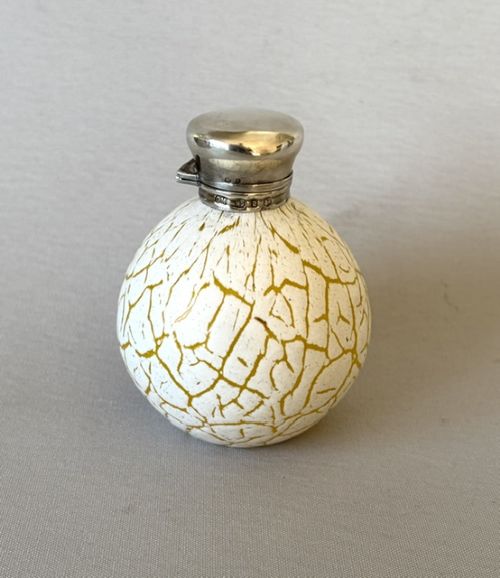
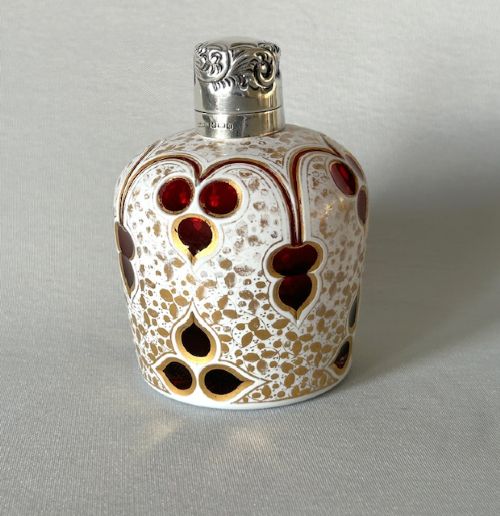
Bodies consist primarily of glass or crystal blown and shaped into specific forms, such as icicles, eggs, or globular vessels. Manufacturers applied techniques like cutting, moulding, and casing to achieve coloured layers in shades of blue, amethyst, and yellow.
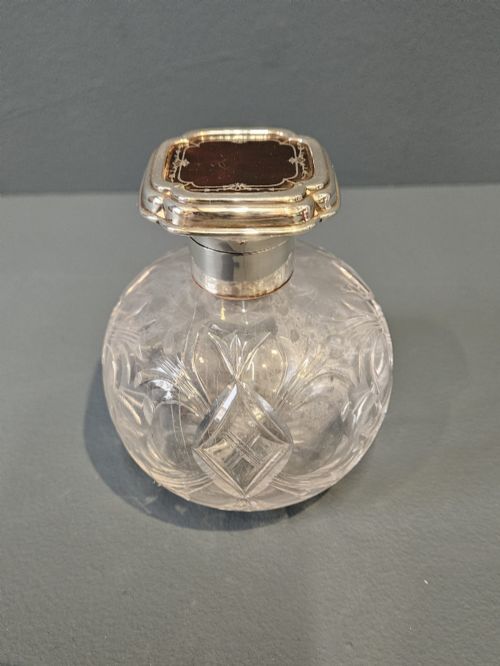
Mounts and lids comprise sterling silver or silver plate, frequently shaped and engraved to fit the glass neck securely. Artisans combined silver with alternative decorative elements, incorporating guilloché enamel, tortoiseshell, or metal overlay directly onto the glass surface.
Silver Topped Perfume Retail Price Guide 2026
Typical asking prices for silver topped perfume among the pieces listed under this phrase on Sellingantiques today, from the lower quarter to the upper quarter. They describe what is for sale here now, not the wider market.
Listings feature sterling silver combined with cut crystal, opaline glass, and cranberry glass across Victorian and Edwardian periods.
Distinctions in quality and execution
The sophistication of the glass body and the precision of the silver mount distinguish examples across the range. Finely executed pieces display deep hand-cut facets in crystal or complex layered colours in opaline and cranberry glass.
Workmanship in the metalwork marks another division, seen in the intricacy of repoussé mounts, enamel details, or the integration of materials like tortoiseshell. The harmony between the metal top and the glass container defines the overall execution of the piece.
George May·Harold Bushell & Co·Henry Perkins·Franchini & Bigaglia·Barnsley & Co
The Silver Topped Perfume Glossary
- Opaline glass
- An opaque or translucent glass produced in various pale or bright colours, popular in nineteenth-century decorative items.
- Cranberry glass
- A translucent red glass coloured with gold chloride, frequently utilised for Victorian and Edwardian scent bottles.
- Guilloché enamel
- A decorative technique where a geometric pattern is engraved beneath a translucent enamel layer on silver items.
- Sterling silver
- An alloy containing substantial silver content, standard for the mounts and lids found on these dressing table pieces.
- Overlay
- A manufacturing method involving a layer of glass or metal cut away to reveal a contrasting colour underneath.
Silver Topped Perfume: Frequently Asked Questions
What periods do these silver topped perfume bottles come from?
The pieces span the Victorian and Edwardian eras, extending through the 1920s and 1930s into the Art Deco period.
Most examples reflect late nineteenth-century styles alongside early twentieth-century manufacturing dates.
How were these scent bottles used originally?
Owners kept them on dressing tables or carried them within vanity boxes for personal fragrance during travel or daily outings.
The hinged or screw-on silver caps protected the contents and allowed controlled application of scents and colognes.
What types of glass are most common?
Cut crystal and coloured glass dominate the selections, including opaline, cranberry, ruby, and green glass variants.
Specialised types such as crackle glass, vaseline glass, and overlay glass also appear among the listed items.
How do I identify the date of a bottle?
Silver mounts frequently carry hallmarks indicating the assay office, year of manufacture, and maker's mark.
Stylistic indicators such as Art Nouveau motifs or Art Deco geometric enamel help narrow down the production period when hallmarks are absent.