






Silver Top Jar
When you search for a silver top jar, you are looking at dressing table accessories, vanity pots, and scent bottles that pair metal lids with glass vessels.
Silver Top Jar
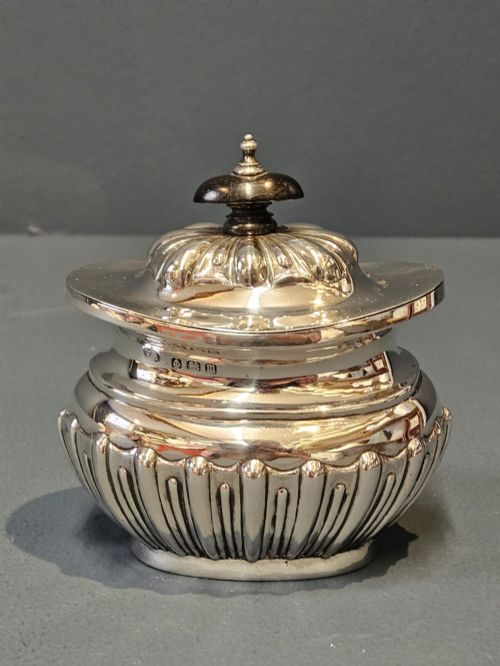
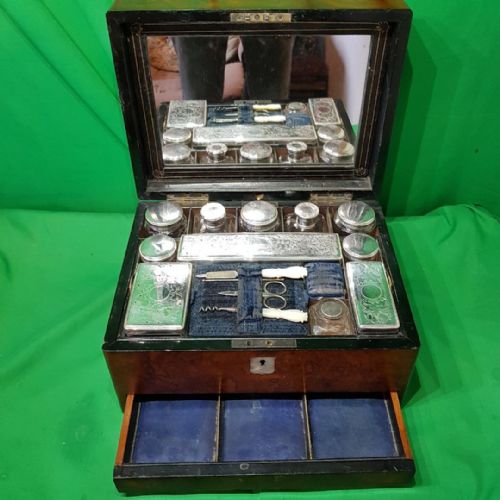
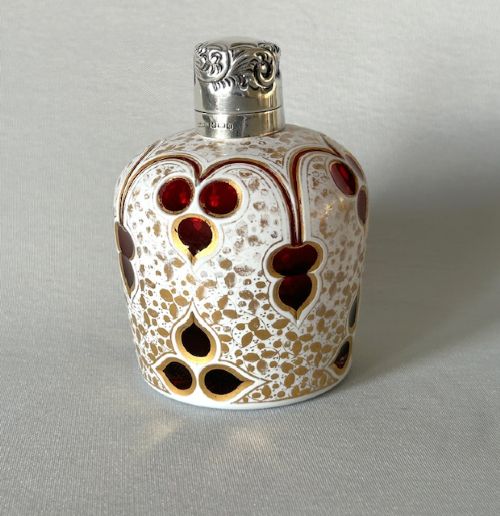
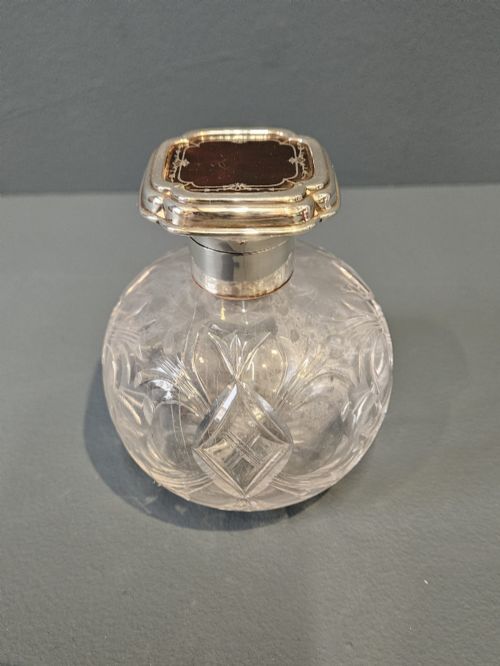
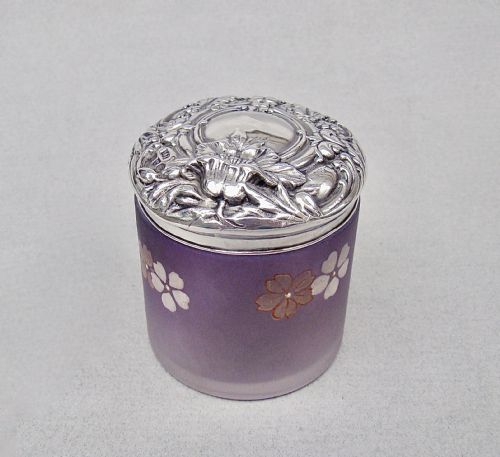
A silver top jar encompasses a variety of dressing table jars, vanity jars, and trinket boxes designed for the Victorian and Edwardian dressing table. You will frequently encounter cut glass and cut crystal vessels finished with sterling silver lids, alongside ceramic biscuit barrels and scent bottles.
The form spans periods from the 1880s through the Art Deco era, including George V and mid-century examples. Many items function as small containers for perfumes, cosmetics, or trinkets, while larger pieces serve as tea caddies and biscuit barrels.
How they were made
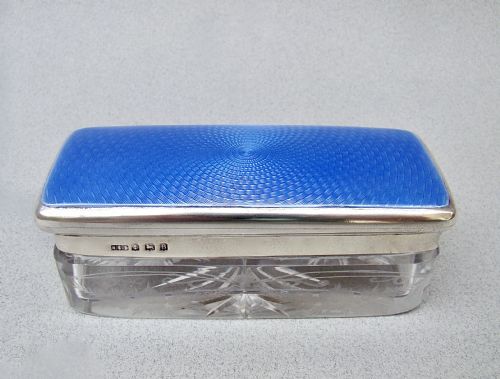
Silversmiths formed the lids using sterling silver or silver plate, often applying hallmarks from assay offices like Birmingham and Chester, and occasionally incorporating guilloche enamel, tortoiseshell, or hand-painted porcelain plaques.
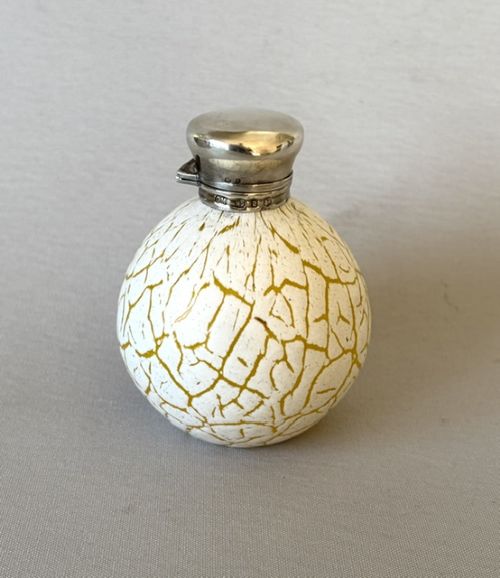
Vessels were shaped from cut glass, cut crystal, crackle glass, frosted glass, cranberry glass, or ceramic bodies such as Jasperware and Crown Devon, combined securely with the metal mounts.
Silver Top Jar Retail Price Guide 2026
Typical asking prices for silver top jar among the pieces listed under this phrase on Sellingantiques today, from the lower quarter to the upper quarter. They describe what is for sale here now, not the wider market.
Some Edwardian dressing table jars hid personal cosmetics beneath hand-painted porcelain plaques.
What varies in quality
Distinction in these items lies in the crispness of the glass cutting and the weight of the silver lid, where thicker metal and sharper facet work indicate finer manufacture. The integration between the glass body and the metal mount also separates standard production from superior workshops.
Decorative elements such as detailed guilloche enamel, inset tortoiseshell, or painted porcelain plaques elevate an ordinary container into a piece of notable craftsmanship.
A. J. Pepper & Co·Henry Clifford Davis·Walker & Hall·Goldsmiths and Silversmiths Co·Barnsley & Co·Adie Brothers Ltd
The Silver Top Jar Glossary
- Guilloche enamel
- Decorative metal engraving covered with transparent enamel, seen on Art Deco lids. It creates geometric patterns that show beneath the coloured surface.
- Jasperware
- A type of stoneware pioneered by Wedgwood, featuring contrasting raised white reliefs on a coloured clay body. It is commonly found on biscuit barrels from the Victorian period.
- Hallmark
- A series of official marks stamped on silver items indicating the maker, assay office, and year of testing. These stamps provide precise dates for many pieces.
- Cut crystal
- Glass with a high lead content that is deeply faceted by grinding and polishing. This material refracts light more sharply than standard moulded glass.
Silver Top Jar: Frequently Asked Questions
What were silver top jars used for?
These containers held cosmetics, perfumes, powders, and small personal items on dressing tables. Many served daily grooming routines in Victorian and Edwardian bedchambers.
Larger versions functioned as biscuit barrels or tea caddies in formal dining and drawing rooms. Their heavy glass and silver construction kept contents dry and secure.
How do I date a silver top jar?
The silver lid usually holds the key through its official hallmarked stamps. These marks record the specific assay office and the year the piece was tested.
Stylistic cues in the glass cutting and decorative enamel also point to specific periods like Art Deco or the Victorian era. Comparing the shape to known design trends narrows down the decade.
How do I clean the silver and glass?
Use a soft cloth and a gentle silver polish on the metal lid, taking care not to stain any glass, enamel, or tortoiseshell inserts. Avoid harsh chemical dips that damage delicate finishes.
Wash the glass vessel separately in warm soapy water and dry it thoroughly before reattaching the lid. Regular dusting prevents tarnish from building up in engraved details.
Are these jars safe for daily use?
Most of these containers function well for storing dry goods, trinkets, or cotton wool on a modern vanity. The robust glass and solid silver construction withstand gentle everyday handling.
Exercise caution with antique enamel or tortoiseshell lids, as these materials require careful treatment. Liquid storage is best avoided if the internal seals or cements have dried with age.