
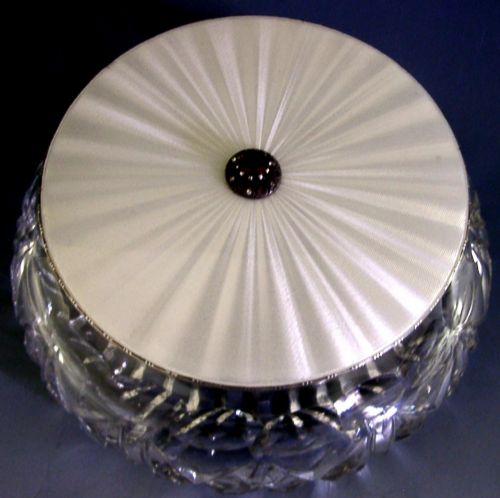


Silver Top Dressing Table Box
A silver top dressing table box sits on the surface as a practical vessel for trinkets, shaped by the tastes of the Georgian to Mid-Century periods.
Silver Top Dressing Table Box
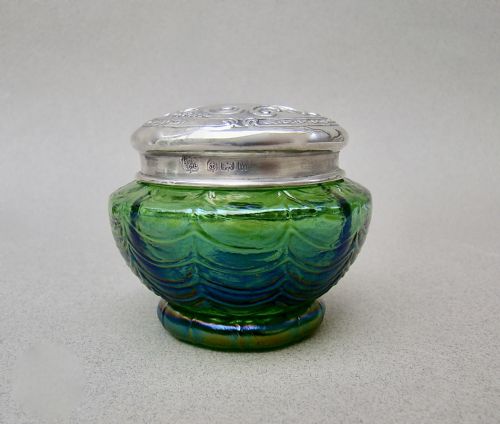
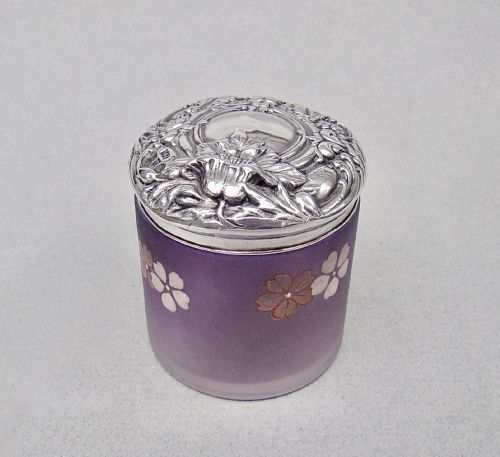
A silver top dressing table box encompasses vanity jars, trinket boxes, and jewellery boxes intended for personal use in bedrooms and boudoirs. These pieces emerge across the 19th Century, Edwardian era, and the 1920s, reflecting changing domestic habits over generations.
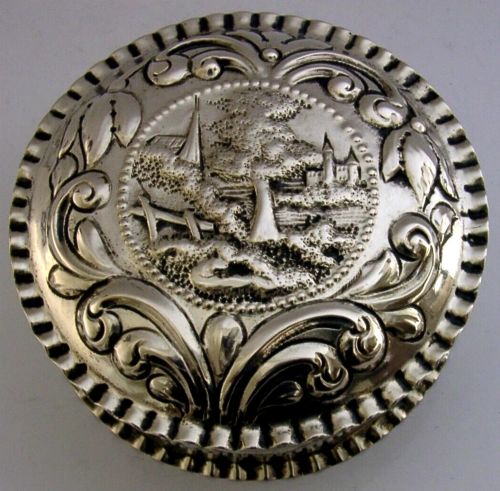
Makers housed these items in various forms, from heart-shaped glass pots to large picture castle top table boxes. They serve as receptacles for pins, rings, and small daily accessories.
How they were made
Silversmiths shaped sterling silver lids through pressing, casting, and hand engraving, frequently marking them with town assay offices and dates. Glass bodies were blown, moulded, and deeply cut or faceted to catch the light on a dressing surface.
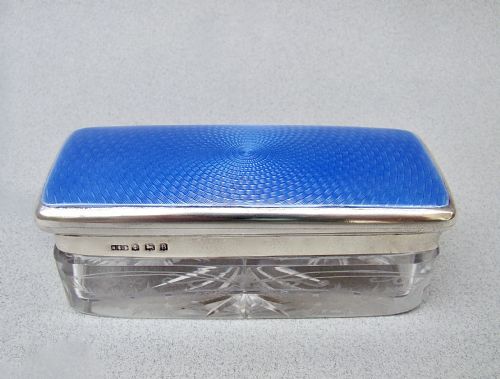
Specialised decorative techniques like guilloche enamel added coloured geometric patterns beneath translucent layers on the silver surface. Organic materials such as tortoiseshell were inlaid or mounted directly into the metal frames of the lids.
Listings feature sterling silver paired with cut glass, cranberry glass, Kralik glass, and coromandel wood.
What varies in quality
The depth and precision of the glass cutting dictate the baseline quality of the vessel, with sharp, complex facets marking superior manufacture. Heavier gauge sterling silver lids resist denting and retain crispness in their hallmarks and repoussé details.
The integration of delicate materials like guilloche enamel or tortoiseshell elevates a piece, demanding high skill from the craftsman to ensure a flush, secure fit against the metal.
A. J. Pepper & Co·Henry Clifford Davis·Goldsmith's and Silversmith's Co.·Jonathan Douglas
The Silver Top Dressing Table Box Glossary
- Guilloche enamel
- A decorative technique involving precise mechanical engraving beneath translucent coloured enamel. It appears frequently on 1920s vanity jar lids.
- Hallmark
- An official stamp indicating the metal purity, assay office, and year of manufacture. British pieces display these markers on the silver lids.
- Coromandel wood
- A dense, dark exotic timber used for luxury nineteenth-century boxes and travel cases. It provides a sturdy wooden carcass for internal fittings.
- Cut glass
- Glass shaped by grinding wheels to create decorative facets and patterns. It forms the heavy base of many vanity jars.
Silver Top Dressing Table Box: Frequently Asked Questions
What is a silver top dressing table box?
A silver top dressing table box is a small container with a sterling silver lid, designed to hold cosmetics, pins, or jewellery on a dressing surface.
These pieces range from glass vanity jars to solid silver trinket boxes produced across the Georgian, Victorian, and Art Deco eras.
How do I date a silver lid?
Dating relies on the set of stamped hallmarks found directly on the sterling silver component of the lid. These small symbols indicate the assay office, metal standard, and specific year of assay.
Design styles such as Art Nouveau or Edwardian ornamentation also offer strong clues to the period of manufacture.
Were these boxes used for travel?
Some robust examples, particularly fitted coromandel cases and heavy glass jars, were built for travelling vanity use. Others remained stationary on domestic dressing tables to hold everyday accessories.
Heavier cut glass variants suited static placement due to their weight.
How should I clean the glass?
Glass bodies benefit from gentle washing in warm soapy water, taking care to keep moisture away from any glued tortoiseshell or enamel inserts.
Silver lids require a soft cloth and dedicated polish applied lightly to avoid touching delicate decorative panels.