



Silver Tea Pot and Sugar Bowl
These silver tea pot and sugar bowl sets bring formal afternoon hospitality straight to the table with matched elegance.
Silver Tea Pot and Sugar Bowl
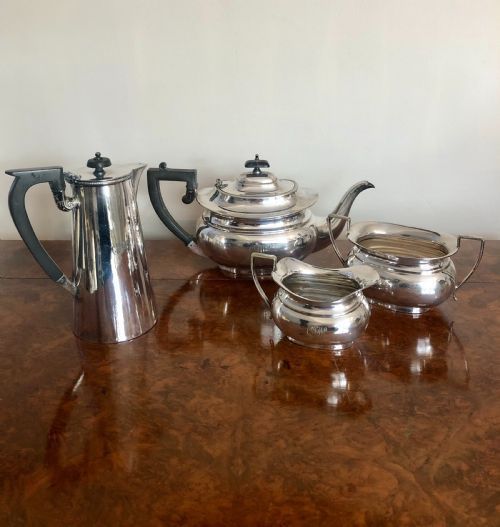
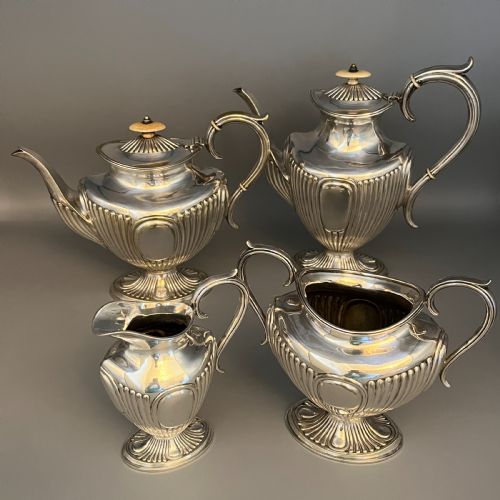
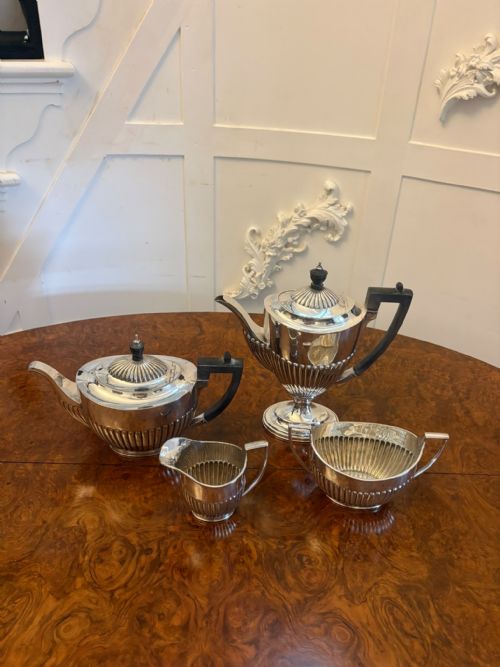
When buyers search for a silver tea pot and sugar bowl, they look for coordinated sets designed to serve hot infusions with matching sugar containers. The selections here most frequently emerge from the Edwardian era and Victorian periods, often taking the form of extensive four-piece or five-piece tea and coffee services that include pouring pots alongside sugar bowls and cream jugs.
Materials and methods of construction
Many pieces rely on silver plate and electroplated nickel silver over base metal, offering the bright appearance of precious metal through industrial plating techniques. Other examples employ solid sterling silver, shaped and polished to create durable vessels for daily or ceremonial use.
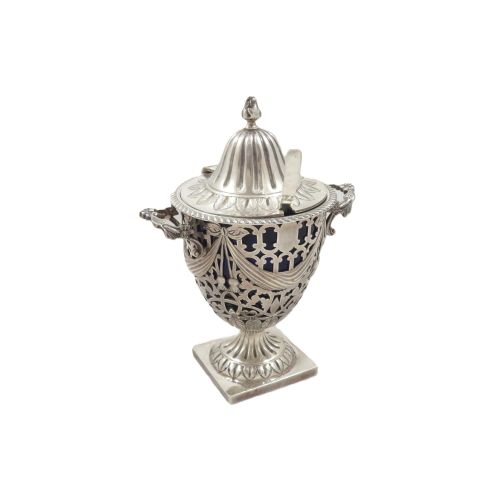
Details incorporate functional and decorative elements such as ebonised wood for insulated handles, bone spacers, and cobalt glass liners within open sugar bowls. Certain designs utilise fitted presentation cases or incorporate specialised forms like the cube tea service.
Silver Tea Pot and Sugar Bowl Retail Price Guide 2026
Typical asking prices for silver tea pot and sugar bowl among the pieces listed under this phrase on Sellingantiques today, from the lower quarter to the upper quarter. They describe what is for sale here now, not the wider market.
The listings here span the Georgian period through the 1930s, featuring solid sterling silver and silver plate alongside cobalt glass and ebonised wood.
Distinctions in quality and execution
The level of craftsmanship shows in the crispness of chased and embossed decoration, particularly across Edwardian Rococo Revival and Victorian styles where ornate motifs define the surface. Heavier gauge metalwork and intact original components, such as fitted lids and matching bases, elevate the standard of a service.
Condition of the underlying metal and the retention of the silver plating dictate longevity and visual appeal. Sets that retain their original fitted boxes or feature work by documented makers demonstrate greater historical completeness.
Walker and Hall·Joseph Craddock·Harry Atkin
The Silver Tea Pot and Sugar Bowl Glossary
- Silver plate
- A thin layer of silver bonded to a base metal core such as nickel silver or copper. This technique allowed manufacturers to produce domestic wares with the appearance of solid silver at a lower cost.
- Sterling silver
- An alloy consisting of pure silver and other metals, usually copper, standardised at a specific high purity. Pieces in this material typically bear hallmarks indicating the assay office and year of production.
- Electroplated nickel silver
- A base metal alloy of copper, nickel, and zinc coated with a layer of silver using an electrical current. It formed the structural backbone for many durable domestic services.
- Ebonised wood
- Timber treated to resemble ebony, frequently utilised for handles and insulators on tea and coffee pots to prevent heat transfer during pouring.
- Cobalt glass
- Deep blue glass used for liners within open sugar bowls and baskets, providing a striking visual contrast against polished metal.
Silver Tea Pot and Sugar Bowl: Frequently Asked Questions
What pieces come in a standard tea and coffee service?
A standard set typically includes a tea pot, a coffee pot, a sugar bowl, and a milk jug or creamer. Larger services may expand to include specialised hot water kettles on stands or covered sugar urns.
These coordinated groups ensured a unified aesthetic across the dining or drawing room table during formal hospitality.
How do I distinguish Edwardian sets from Victorian ones?
Victorian sets often display heavy, ornate ornamentation with deep relief casting and classical revival motifs. Edwardian examples frequently lighten these forms, sometimes employing refined revival styles or cleaner geometric lines.
Examining the weight, decorative depth, and any accompanying hallmarks helps clarify the period of manufacture.
Why do some sugar bowls feature glass liners?
Open sugar bowls made of pierced silver or basketwork required glass inserts to contain loose sugar crystals safely. The cobalt glass used for these liners added a vibrant flash of colour through the decorative metal lattice.
These removable inserts also protected the metal from direct contact with moisture and sugar residues.
How should I care for silver plated tea sets?
Regular dusting with a soft cloth keeps silver plate clean, while periodic use of a gentle, non-abrasive polish maintains the reflective surface. Hand washing in warm, soapy water is essential to remove residues without damaging ebonised wooden handles or bone insulators.
Storing pieces in dry environments prevents tarnishing and protects delicate components like fitted lids.