



Silver Tazza Plate
A silver tazza plate brings raised elegance to any table, offering a pedestal stage for fruit, sweets, or floral displays.
Silver Tazza Plate
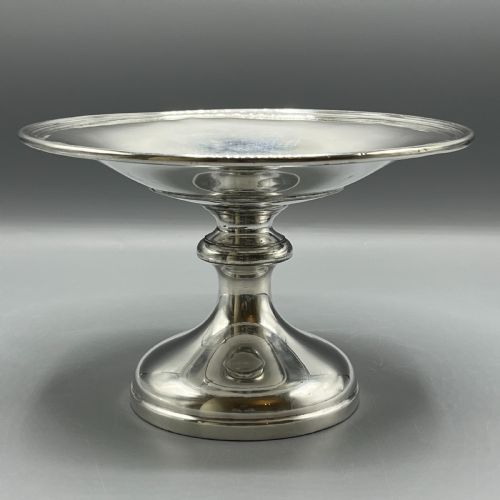
A silver tazza plate stands as a raised pedestal dish designed for display and service, combining the utility of a bowl or plate with an elevated foot. When searching for a silver tazza plate, buyers encounter forms ranging from simple sweet dishes to grand centrepieces with cut glass inserts.
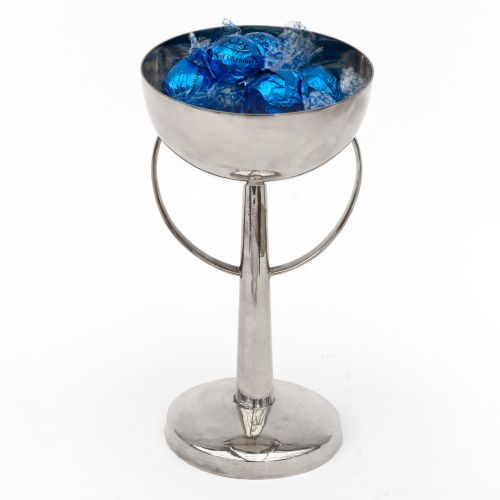
The pieces seen here stretch across the nineteenth century into the twentieth, taking shapes such as cake stands, bon bon dishes, and oval pedestal stands. Victorian and Edwardian examples sit alongside Art Nouveau and Art Deco designs, reflecting shifts in decorative taste across decades of dining customs.
How they were made
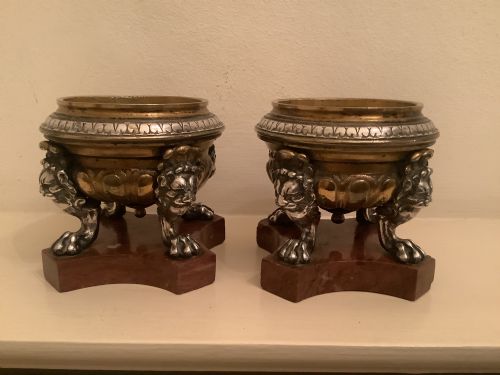
Makers utilised silver plate, EPNS, and Britannia metal over base metals like bronze, often combining metalwork with cut glass or crystal bowls. Bronze frameworks received silvered or plated finishes to achieve the desired lustre without the weight and cost of solid silver.
Craftsmen shaped these metals through casting, spinning, and stamping, matching the fluid botanical curves of Art Nouveau or the geometric lines of Art Deco. Glass components were frequently wheel-cut or moulded to fit securely within the metal mounts and pedestals.
Silver Tazza Plate Retail Price Guide 2026
Typical asking prices for silver tazza plate among the pieces listed under this phrase on Sellingantiques today, from the lower quarter to the upper quarter. They describe what is for sale here now, not the wider market.
Listings here span the nineteenth and twentieth centuries, featuring materials from cut glass and crystal to bronze, pewter, and silver plate.
What varies in quality
Quality in these pedestal vessels rests on the crispness of the casting and the weight of the metal framework relative to the glass insert. Heavier bronze cores and thick silver plating distinguish substantial centrepieces from lighter domestic serveware.
The harmony between the metal stand and the fitted glass bowl indicates higher production standards, as does the depth and clarity of any decorative chasing or piercing across the rim.
Mappin and Webb·Christofle et Cie·WMF
The Silver Tazza Plate Glossary
- Tazza
- A shallow bowl or plate mounted on a pedestal foot, used historically for serving wine, fruit, or confectionery.
- EPNS
- Electroplated nickel silver, a common base metal method where a thin layer of silver coats a durable nickel alloy core.
- Britannia metal
- A tin-based alloy frequently utilised as a base for silver plating, known for its smooth surface and ability to take fine casting detail.
- Centrepiece
- A large decorative object placed in the middle of a dining table, often taking the form of an elaborate tazza or combined stand and dish.
Silver Tazza Plate: Frequently Asked Questions
What was a silver tazza plate used for?
These elevated dishes served fruit, sweetmeats, and small cakes during formal dining and afternoon tea. Their height brought visual drama to the table arrangement while keeping delicacies within easy reach of guests.
Over time, their roles shifted from active dining service to decorative display pieces placed on sideboards or mantelpieces. Many retain fitted glass liners designed to hold wet fruit or floral arrangements.
How do I clean a silver plated tazza?
Maintenance requires gentle cleaning with a soft cloth and a reputable silver polish formulated for plated items. Avoid harsh scrubbing that might wear through the thin silver layer down to the underlying bronze or Britannia metal.
Removable glass inserts should be washed separately in warm soapy water. Keeping the metal dry after cleaning prevents tarnishing and protects the integrity of the finish.
How do I date a silver tazza?
Dating relies on stylistic clues, manufacturer marks stamped into the metal, and the combination of materials used. Art Nouveau curves point towards the late nineteenth and early twentieth centuries, while cleaner geometric lines suggest Art Deco manufacture.
Maker stamps and registry numbers found on the underside provide precise clues to production years. Comparing the weight and method of glass cutting also helps narrow down the era.
Can I use an antique tazza for food?
Most silver plated and glass tazzas remain suitable for serving dry foods such as fruit, biscuits, or sweets. Care should be taken with items featuring older plating where the base metal might be exposed.
Acidic foods should not be left in contact with silver plate for extended periods to avoid surface marking. Hand washing is essential to preserve the finish of both the metal and any glass components.