

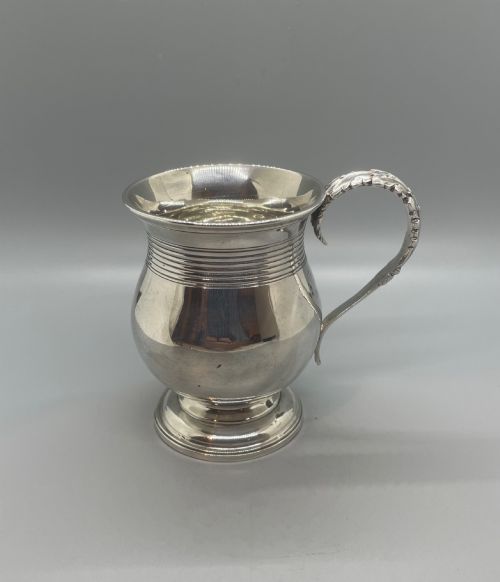
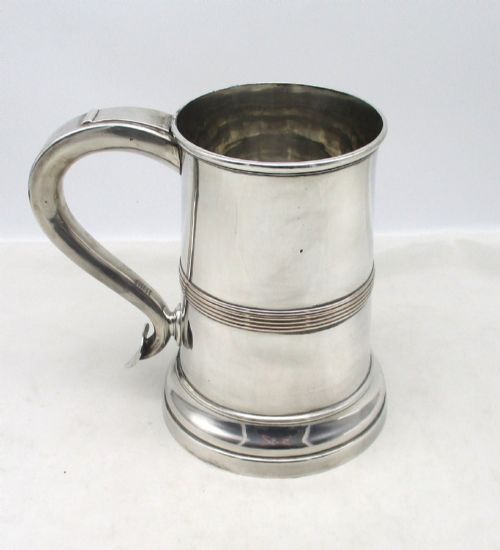
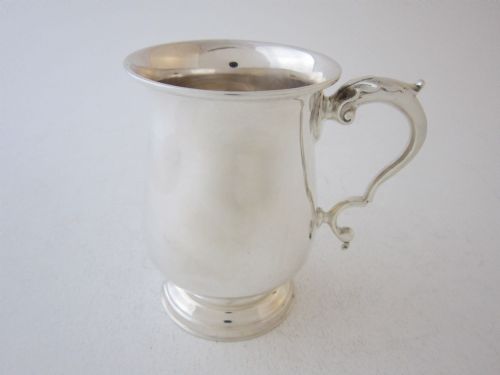
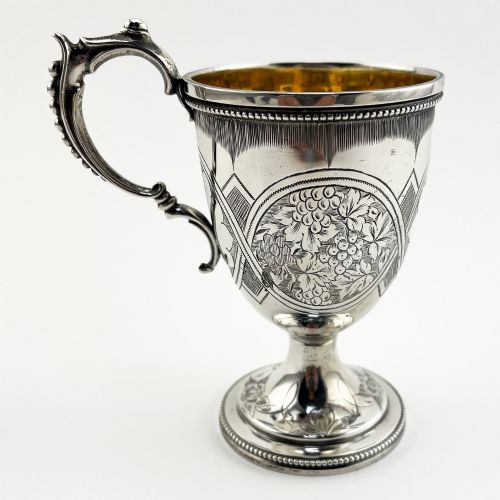

Silver Tankard
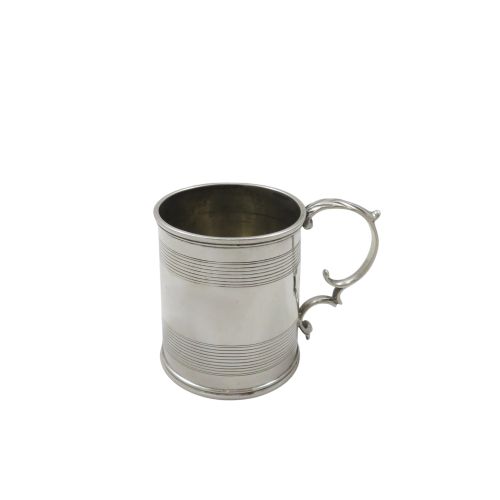
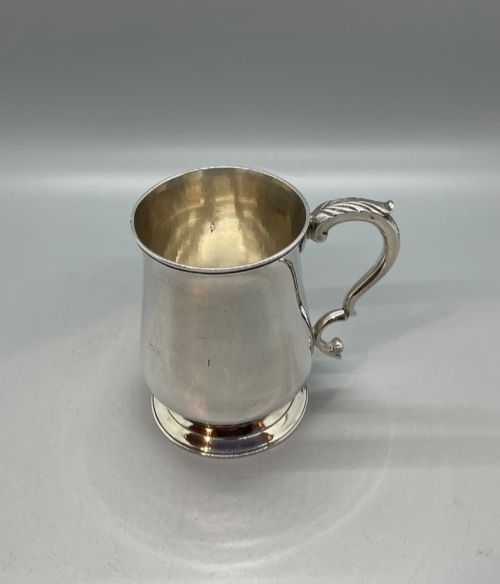
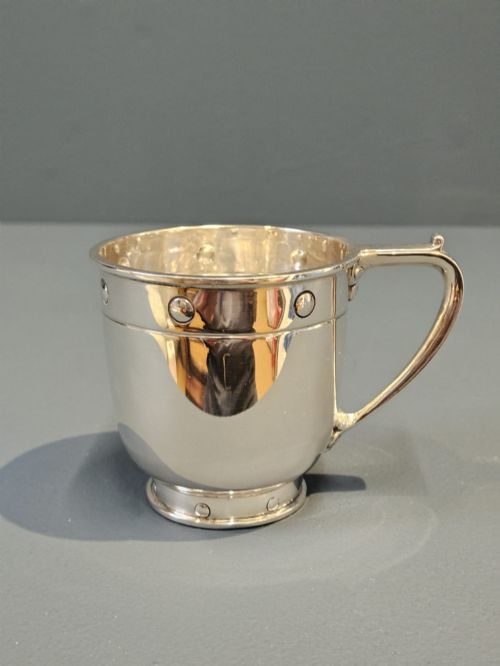
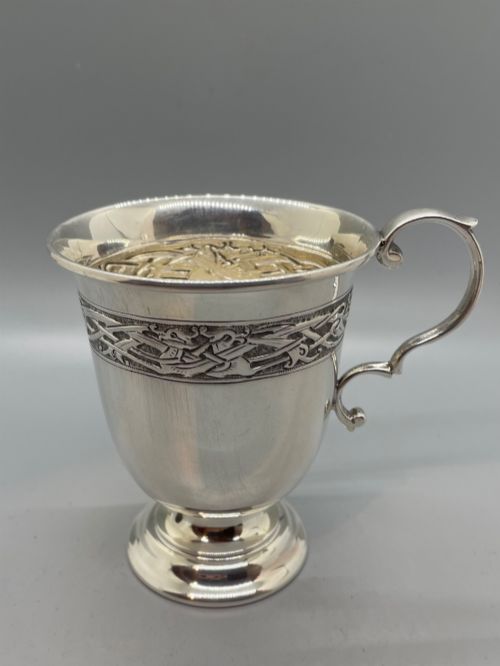
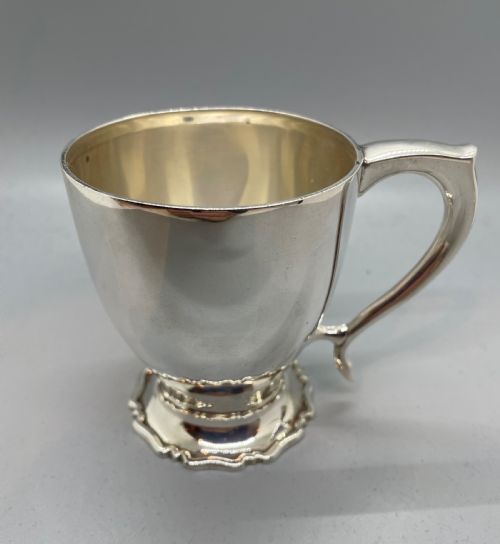
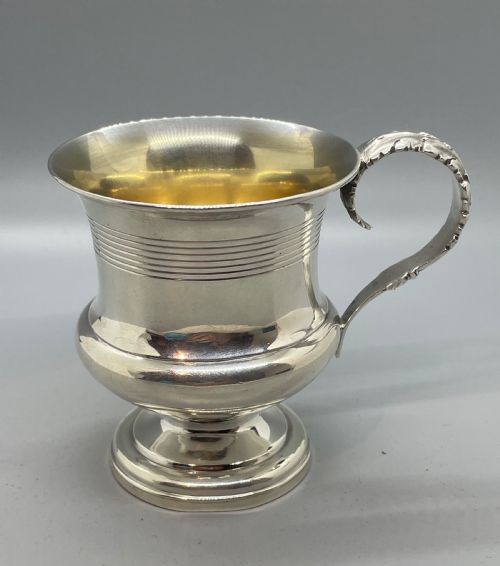
These silver tankard pieces range from Georgian drinking vessels to smaller christening mugs, offering substantial metalwork and traditional forms for daily use or display.
Silver Tankard
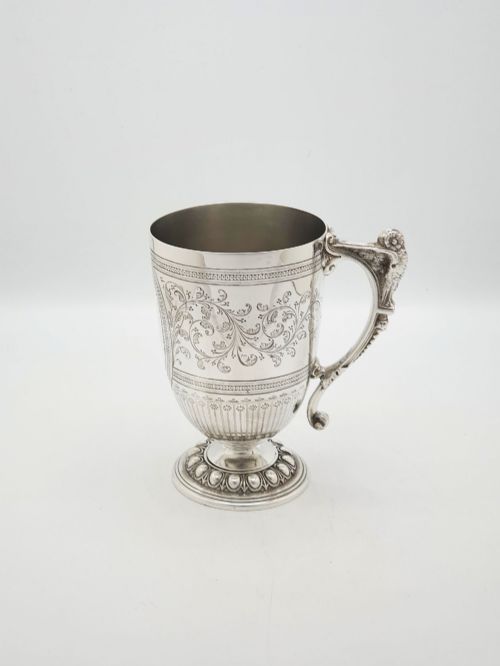
A silver tankard encompasses substantial drinking vessels alongside smaller christening mugs and loving cups found across the 18th, 19th, and 20th centuries. Buyers frequently encounter Georgian and Victorian sterling examples, alongside Old Sheffield Plate pieces and later 20th-century items.
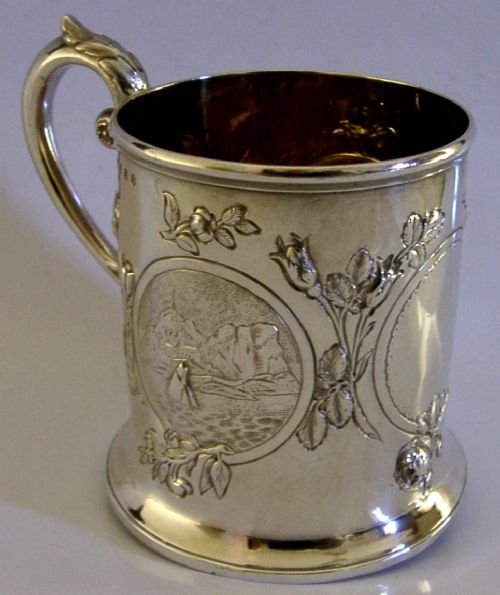
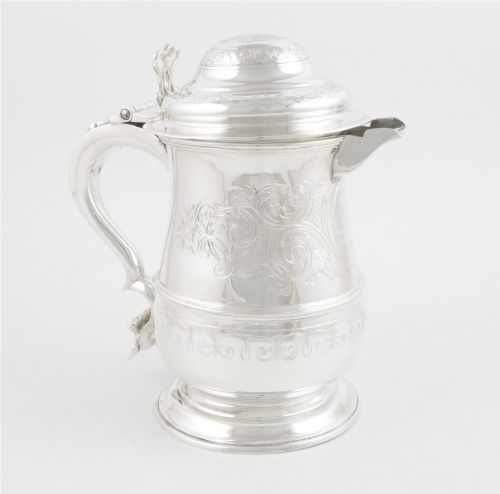
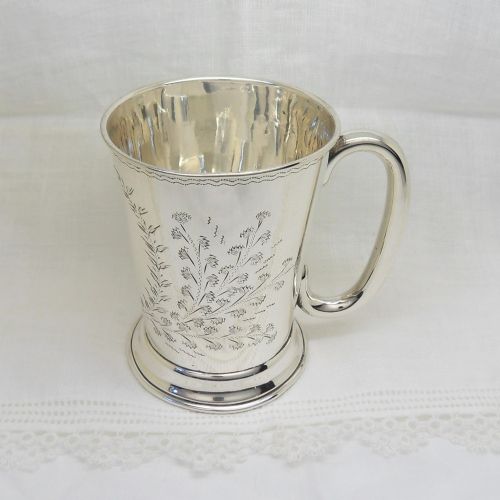
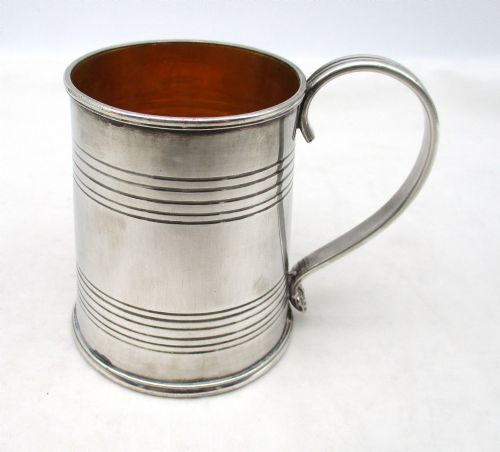
Forms vary from half-pint and pint capacities with plain bodies to heavily embossed or floral engraved variants. Novelty handles, such as owl designs, and lidded formats appear among the selection.
Origins span major English assay offices including London, Birmingham, and Sheffield, providing clear geographical and chronological markers for collectors.
How They Were Made
Silversmiths utilised sterling silver and silver plate, often shaping the metal through raising and spinning techniques before applying decorative embossing and engraving. Old Sheffield Plate pieces fused a silver sheet onto a copper core, visible on edges and wear points.
Handles were cast separately and soldered securely to the main body, while interior gilding, known as silver gilt or gold gilt, was sometimes applied to drinking vessels.
Silver Tankard Retail Price Guide 2026
Typical asking prices for silver tankard among the pieces listed under this phrase on Sellingantiques today, from the lower quarter to the upper quarter. They describe what is for sale here now, not the wider market.
Object types span pint tankards, half-pint mugs, christening cups, and novelty handled vessels.
What Varies in Quality
The weight of the metal and the crispness of the chasing or floral engraving distinguish finer examples from standard production. Substantial gauge silver maintains structural integrity and resists denting.
Maker marks and clear assay office hallmarks provide assurance of origin and standard, while Old Sheffield Plate quality depends on the preservation of the fused silver layer over the copper substrate.
Joseph Gloster·Barker Bros·R E Stone·John Payne·William Grundy·Richard Morton
The Silver Tankard Glossary
- Hallmark
- Official stamps struck into precious metals indicating the assay office, metal standard, and date letter. These marks allow precise dating and attribution.
- Old Sheffield Plate
- An early fusing technique where a sheet of silver is fused to a copper base. It differs from later electroplating through its layered construction.
- Silver Gilt
- Sterling silver that has been coated with a thin layer of gold on the interior or exterior. This treatment protected the silver from tarnishing by acidic beverages.
- Loving Cup
- A large drinking vessel featuring two or three handles, traditionally passed around a gathering. They often date from the Victorian and Edwardian periods.
- Christening Mug
- A smaller presentation mug given to mark a birth or baptism. They frequently carry presentation inscriptions and floral engraving.
Silver Tankard: Frequently Asked Questions
What is a silver tankard used for?
These vessels served as practical drinking mugs for ale and other beverages in domestic settings and taverns. Larger formats held pints, while smaller versions functioned as display pieces or christening gifts.
Over time, many transitioned into decorative cabinet pieces or commemorative items, particularly those bearing detailed engravings or inscriptions.
How do I identify a Georgian silver tankard?
Georgian pieces carry hallmarks indicating production between the mid-18th and early 19th centuries, often featuring lion passant and leopard head stamps. The styling typically relies on restrained lines and heavier gauge metalwork.
Matching the maker's mark to official records confirms the exact decade of manufacture during the reigns of the Georges.
What is Old Sheffield Plate?
Old Sheffield Plate is a composite material created by fusing a thin sheet of silver to a copper ingot before rolling them into sheets. This method predates electroplating and produces a distinct material structure.
Close inspection often reveals subtle hints of the underlying copper where the silver layer has thinned at high-friction edges.
Can I use an antique tankard for drinking?
Many solid sterling silver vessels remain structurally sound for holding liquids, provided the soldered joints and base are secure. Plain interiors without heavy gilding wear are typically straightforward to clean.
Items with delicate Old Sheffield Plate or interior degradation are better suited to display rather than regular beverage consumption.