



Silver Table Setting Decor
Silver table setting decor brings distinctive metalwork to the dining room, offering refined detail for formal meals.
Silver Table Setting Decor
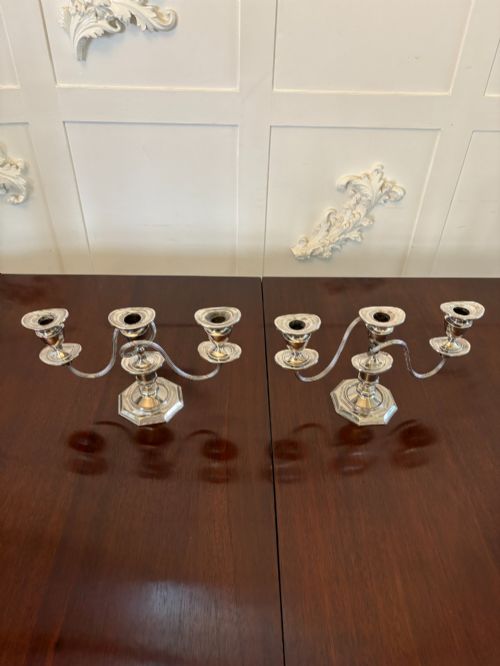
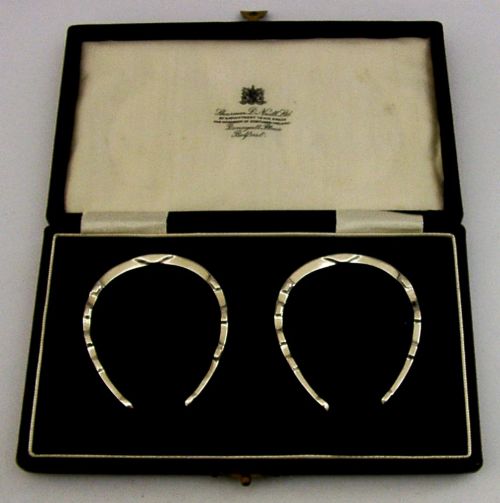
Silver table setting decor comprises small decorative and functional dining accessories produced across the Victorian, Edwardian and Art Deco periods. These pieces include napkin rings, cruet sets, candlesticks, menu holders, knife rests, pepperettes and place card holders.
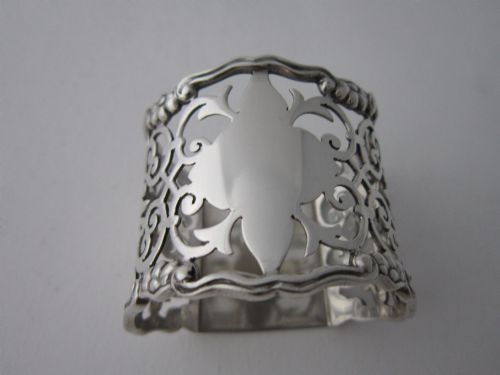
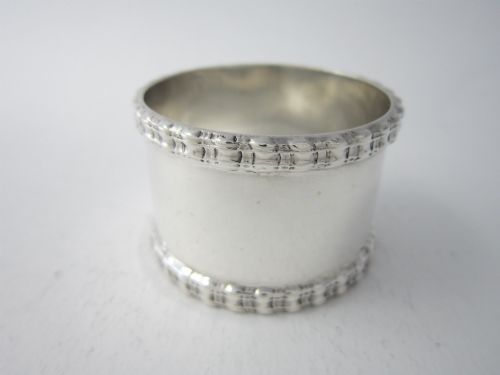
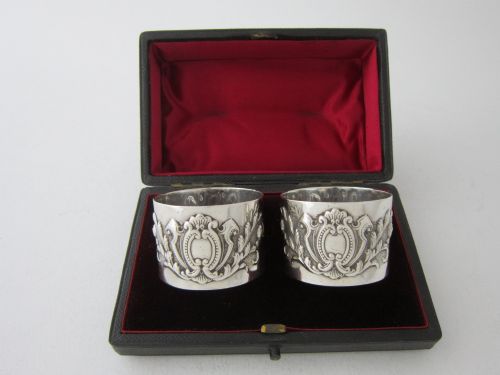
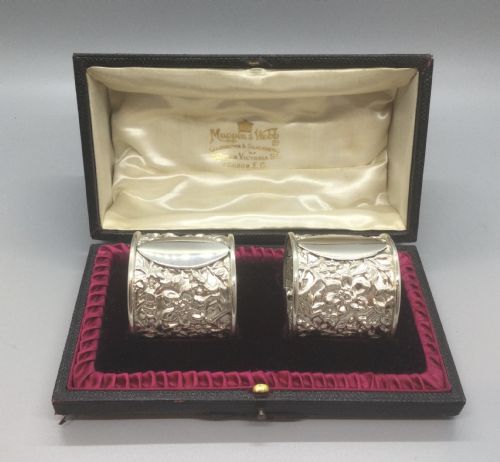
Napkin rings form the most common variety encountered in this selection, often appearing as matched pairs or cased sets from the late nineteenth and early twentieth centuries. Makers created them alongside table condiments and place markers to coordinate formal dining arrangements.
Materials and construction
Items rely primarily on sterling silver and silver plate, occasionally paired with velvet, silk, leatherette, satin or leather inside fitted presentation cases. Workshops also utilised mother of pearl for knife rests and vibrant enamel for flags or guilloche patterns.
Craftsmen shaped solid metal and plated bases through casting, stamping and hand-engraving, producing both plain domestic forms and elaborate novelty pieces like equestrian figures or cockatoo pepperettes.
A solitary silver cockatoo stands ready to dispense pepper across your mutton.
Distinctions in quality
Quality separates standard production items from pieces bearing distinct maker attributions, such as those originating from the Guild of Handicraft, David Andersen or Liberty. Greater weight in sterling silver and finer hand-chiselled detail on novelty forms indicate superior execution.
The survival of original fitted cases lined in velvet, silk or satin enhances the integrity of cased sets, distinguishing well-preserved examples from loose or incomplete table accessories.
Guild of Handicraft·David Andersen·Liberty·John Cafe
The Silver Table Setting Decor Glossary
- Sterling silver
- A silver alloy containing 92.5 percent pure silver by mass, standard for quality British tableware. This standard is frequently verified by hallmarks stamped into the metal.
- Silver plate
- A base metal coated with a thin layer of silver, offering the visual appeal of solid silver at a different cost. Many Victorian cruet sets and novelty items utilise this technique.
- Guilloche enamel
- A decorative technique where intricate geometric patterns are engraved beneath translucent enamel. It appears on colourful napkin rings from the early twentieth century.
- Cruet set
- A matched group of small bottles, jars or shakers designed to hold table condiments like salt, pepper, oil and vinegar. These sets often sit within a dedicated metal frame or stand.
- Menu holder
- A small upright display piece designed to hold printed dinner menus on the dining table. They range from simple silver clips to elaborate enamel flags and figurative sculptures.
Silver Table Setting Decor: Frequently Asked Questions
What items count as silver table setting decor?
This category encompasses various small metal dining accessories used to adorn a formal table. Common examples include napkin rings, menu holders, knife rests and cruet sets.
Pieces span from the Victorian era into the Art Deco period, utilising sterling silver, silver plate and supplementary materials like enamel and mother of pearl.
How were menu holders used at dinner?
Hosts placed menu holders along the dining table to inform guests of the courses being served during multi-course meals. These holders kept printed cards upright and visible.
Designs ranged from simple silver frames to decorative enamel flags and figurative models that matched the theme of the gathering.
How do I care for silver table accessories?
Regular, gentle dusting and occasional polishing with a dedicated silver cloth preserve the finish of sterling silver and silver plate items. Proper storage prevents unnecessary tarnishing.
Pieces with enamel or lined presentation cases require careful handling to protect delicate surfaces from moisture and harsh cleaning agents.
How do I identify Edwardian silver pieces?
Edwardian items date from the reign of King Edward VII, spanning the early years of the twentieth century. Hallmarks stamped into sterling silver pieces provide exact assay office and date letter indicators.
Stylistic elements from this period often blend traditional forms with lighter Arts and Crafts influences or elaborate novelty designs.