

Silver Table Salt
A silver table salt sits at the centre of the dining table, holding a small reserve of seasoning within sterling or plate.
Silver Table Salt
A silver table salt takes many shapes across the Georgian, Victorian and Edwardian eras, appearing as open salt cellars, covered mustard pots, pedestal dishes and cruet sets. Buyers search for these pieces to add period character to a dining table or to collect small domestic silver.
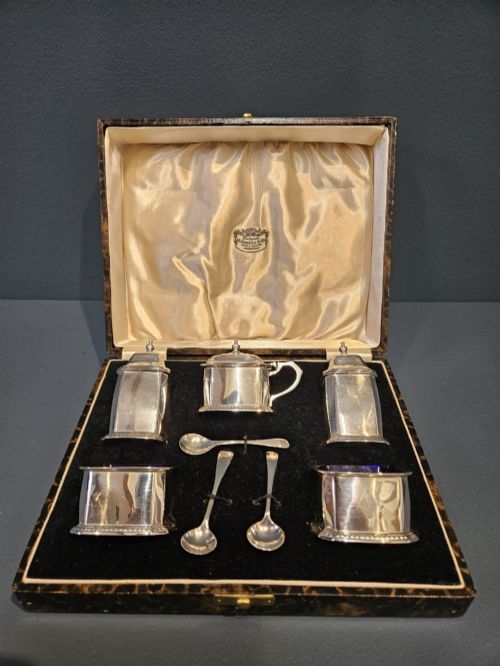
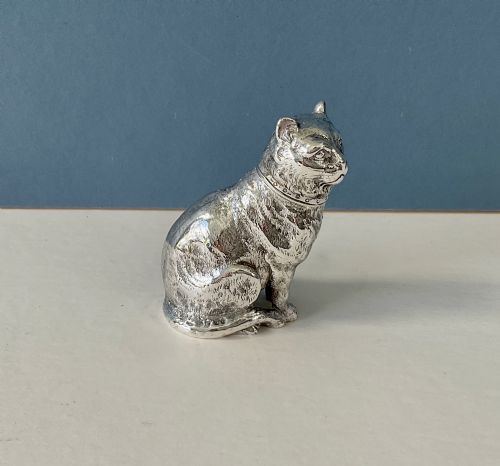
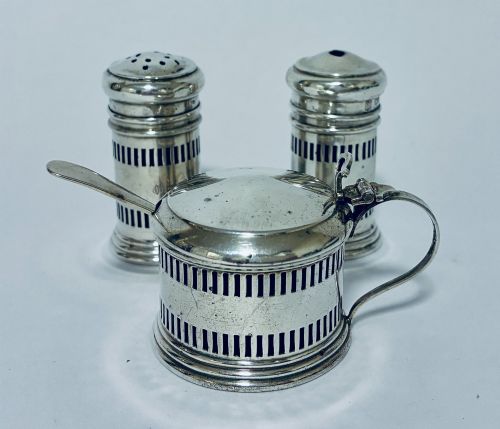
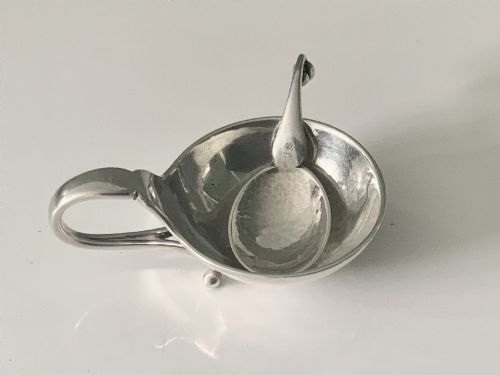
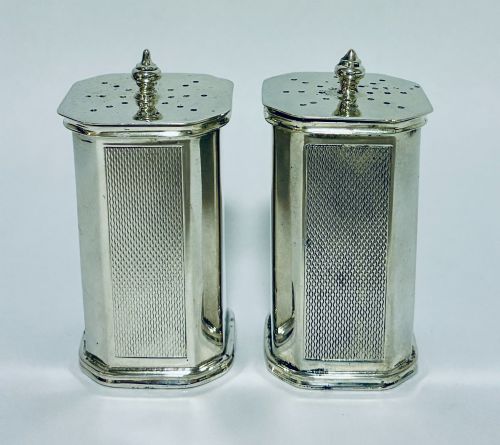
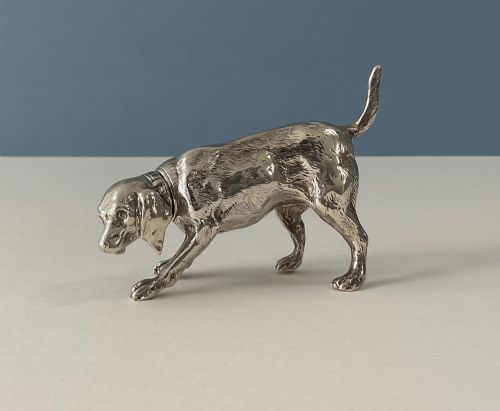
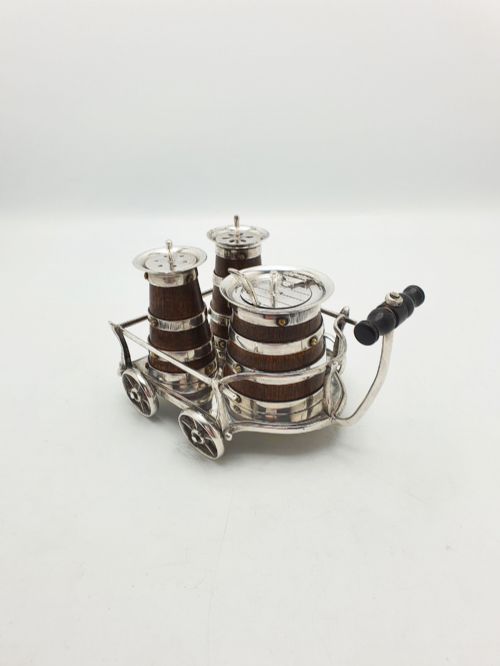
The versions most commonly met on this page include pairs of open salt cellars, often supported on three small feet, alongside novelty pepper pots shaped like animals and larger multi-bottle cruet frames.
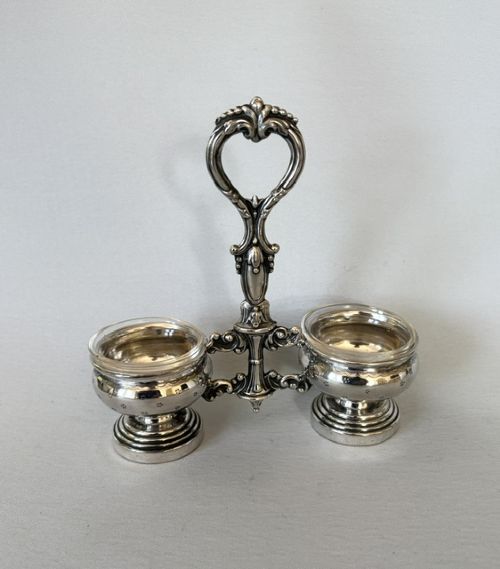
Origins span British workshops from the eighteenth century onwards, alongside continental pieces such as French double condiment stands and Norwegian silver vessels.
Materials and technique
Metals range from solid sterling silver to silver plate over base metal, shaped through casting, piercing and hammering by silversmiths.
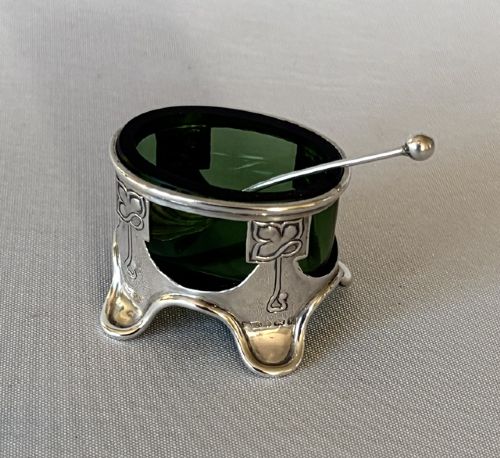
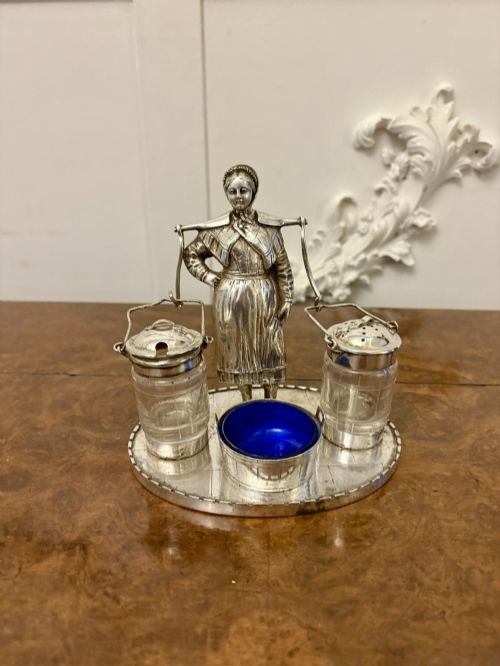
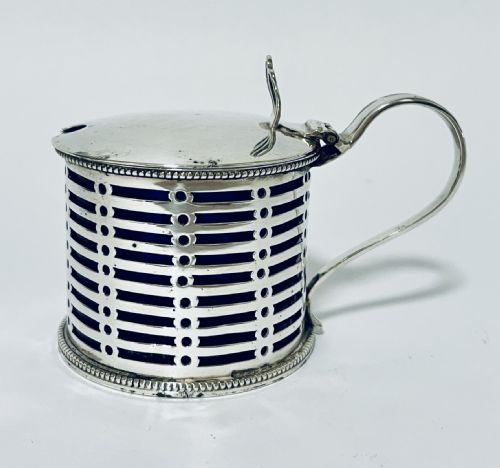
Many open salt cellars incorporate glass liners in cobalt blue, cranberry or clear cut glass, designed to protect the metal from the corrosive effects of salt.
Occasional pieces integrate organic materials, pairing carved horn bowls or oak barrels with silver mounts and ceramic components.
Listings span from the eighteenth century through the Victorian and Edwardian periods into the mid-twentieth century, employing sterling silver, silver plate, cut glass and cobalt glass.
Judging the work
Quality rests upon the crispness of the silversmith's hand, seen in the depth of pierced galleries, the naturalistic detail of cast floral motifs and the balance of pedestal feet. Earlier Georgian items often show restrained classical proportions, whilst Victorian examples embrace elaborate novelty and ornamentation.
The integrity of the interior lining matters greatly in open salt cellars, where undamaged cobalt or cut glass liners that fit their silver housings without wobble elevate a piece considerably.
Georg Jensen·Josiah Williams & Co·David Hennell·William Bateman
The Silver Table Salt Glossary
- Trencher salt
- A small, usually circular or square vessel placed directly on the dining board before the advent of standing salts. These early pieces often date from the Georgian period.
- Cauldron salt
- A small bowl raised on three short feet, frequently styled to mimic a miniature cooking pot. They are commonly found in matched pairs or sets from the Victorian era.
- Cruet set
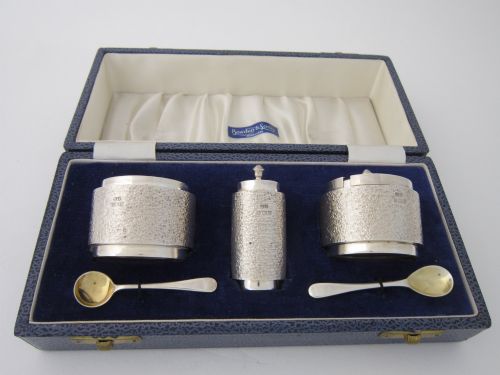
- A fitted frame holding multiple bottles, jars or castors for condiments such as oil, vinegar, mustard and pepper. These frames often combine silver or silver plate with cut glass.
- Cobalt glass
- A deep blue glass used widely for the removable liners inside open salt cellars. It provides a striking visual contrast against polished sterling silver or plate.
Silver Table Salt: Frequently Asked Questions
How were salt cellars used?
Diners used salt cellars by taking pinches of seasoning from the open vessel with a small spoon or clean fingers. They stood individually or in pairs beside plates on the dining table.
Larger households utilised matching sets of four or more salts so guests did not need to reach across the board during a formal meal.
What is a novelty salt?
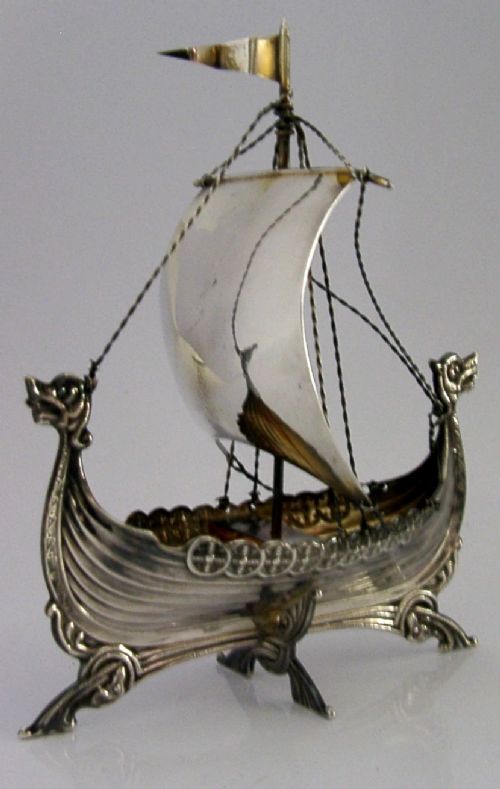
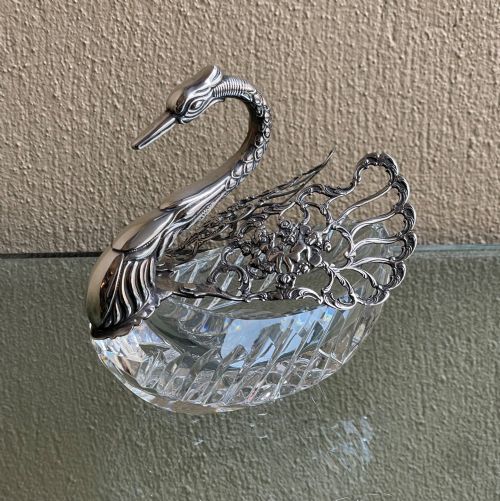
A novelty salt is a condiment vessel shaped to resemble an animal, bird, boat or building rather than a traditional bowl. Victorian makers produced whimsical designs including cats, dogs, owls and Viking longships.
These pieces combined practical dining utility with conversational amusement for guests at the table.
Why do salt cellars have glass liners?
Glass liners protected the interior silver from direct contact with salt, which causes corrosion and pitting over extended periods of use. Cobalt blue and clear cut glass liners also added colourful decorative contrast.
Owners removed these liners easily for washing after meals to keep the metal clean.
How do I date a silver salt?
Dating relies on hallmarks stamped into the metal, which record the assay office, date letter and maker's mark on British pieces. Style provides a secondary guide, moving from Georgian restraint to Victorian novelty and Edwardian elegance.
Unmarked silver plate or foreign items require stylistic comparison with documented pieces from the same era.