


Silver Table Salt Dishes
Silver table salt dishes are miniature silver vessels designed for dining tables, offering a glimpse into historic table service.
Silver Table Salt Dishes
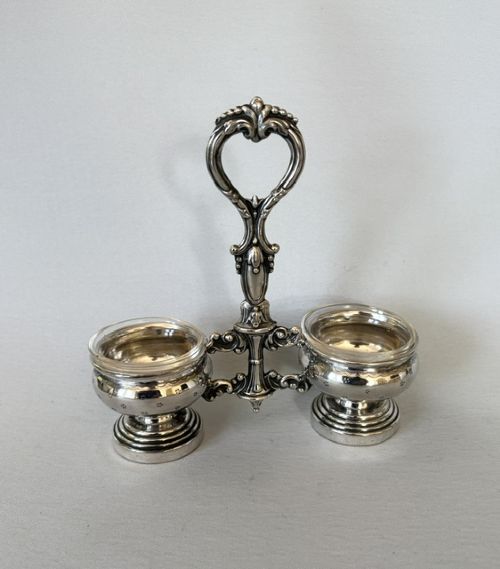
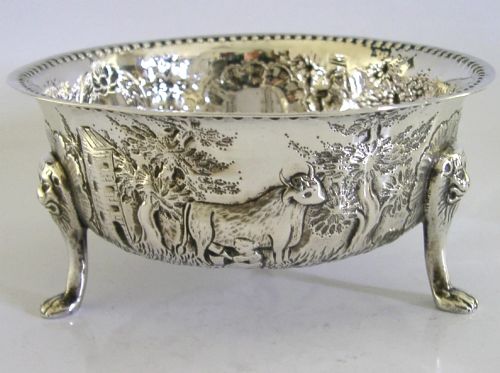
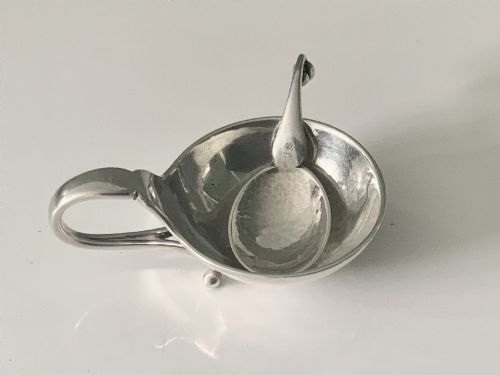
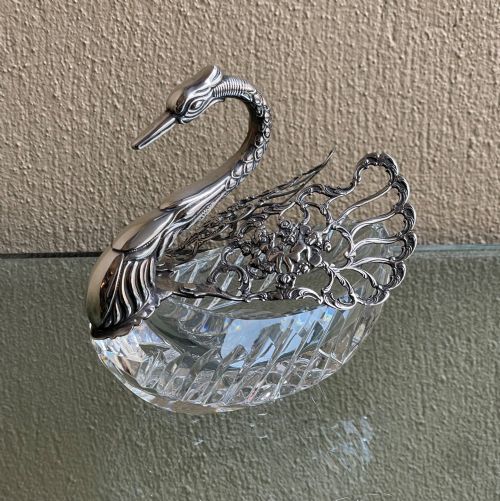
Silver table salt dishes take many forms across the Victorian, Georgian, and Edwardian periods, including open salt cellars, boat shapes, and pedestal dishes. Buyers seeking these items will find examples ranging from simple open salts to elaborate figurative designs like swans, Viking longships, and garden wheelbarrows.
The selection includes matched pairs and larger sets, often accompanied by original glass liners in blue or cobalt hues. These pieces function both as tableware and decorative dishes, reflecting centuries of dining traditions.
Makers and silversmiths utilised various styles such as Rococo Revival, Art Deco, and Art Nouveau. The variety spans from modest silver plated items to solid sterling silver pieces with gilt interiors or vermeil finishes.
Materials and construction
Silversmiths constructed these items using sterling silver, silver plate, and occasionally horn with silver mounts. Many pieces incorporate fitted glass inserts, such as cobalt glass or cut glass liners, which protected the metal from corrosive salt.
Techniques range from hand-carving natural materials like horn to casting and chasing solid silver into complex naturalistic flower designs, scallop shells, and animal figures. Interior gilding, or vermeil, was applied to sterling silver bowls to prevent tarnishing from salt contact.
Design styles span Georgian, Victorian, Edwardian, Art Nouveau, and Art Deco periods.
Distinctions in quality
Quality rests on the weight of the silver, the crispness of the chased or cast ornament, and the presence of original components like matching spoons and coloured glass liners. Pieces by notable silversmiths display superior detailing in figurative forms such as birds and wheelbarrows.
The integrity of the construction, whether dealing with solid sterling silver or silver plate, defines the durability and finish of each dish. Intricate stylistic expressions, from Rococo Revival curves to clean Art Deco lines, separate standard production from exceptional work.
Georg Jensen·William Bateman·Paul Storr·Edward Farrell·Thomas Smily·Vale Brothers and Sermon
The Silver Table Salt Dishes Glossary
- Open salt
- A small table vessel designed to hold loose salt, used before the invention of the shaker. Diners would pinch salt from the dish using a small spoon or their fingers.
- Vermeil
- Sterling silver coated with a thin layer of gold on the interior. This finish prevented the salt from corroding the silver surface.
- Cobalt glass
- Deep blue glass used to line open silver salts. It provided a striking visual contrast against polished silver and protected the metal.
- Pedestal dish
- A small vessel raised on a foot or short stem. These elevate the salt container above the surface of the dining table.
- Condiment stand
- A multi-part frame holding salt dishes and sometimes other seasonings. These stands coordinate multiple tabletop elements into a single display.
Silver Table Salt Dishes: Frequently Asked Questions
How were silver table salt dishes used?
Diners placed these small vessels on the dining table to hold individual portions of salt before shakers became common.
Guests used miniature spoons or their fingers to take salt from the open dish and season their food.
What are glass liners used for?
Glass liners protected the silver from the corrosive effects of salt, preventing pitting and permanent damage to the metal.
They also allowed for easy cleaning and introduced contrasting colours like cobalt blue into the design.
How do I distinguish Georgian from Victorian pieces?
Georgian salt dishes often feature classic forms with Rococo Revival details or heavy casting from silversmiths like Paul Storr.
Victorian examples tend to embrace eclectic historicism, including novelty animal shapes and naturalistic flower designs.
Can I use antique salt dishes today?
These dishes function well for holding table salt, condiments, or small items like rings and cuff-links.
Careful handling and prompt cleaning after use protect the silver and any original glass or gilt interiors.