




Silver Stamp Holder Box
A silver stamp holder box is a neat desk accessory designed to keep postage neat, and collectors prize these miniature pieces for their intricate metalwork and clever engineering.
Silver Stamp Holder Box
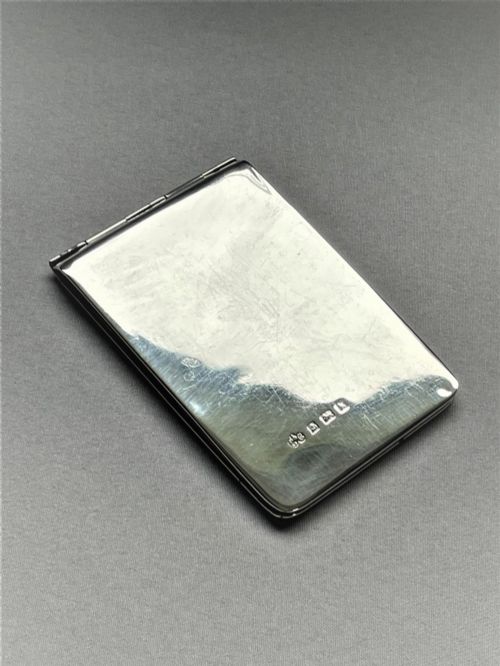
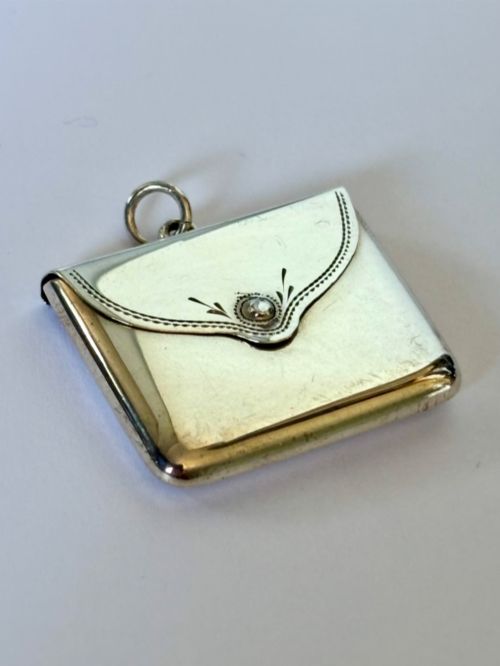
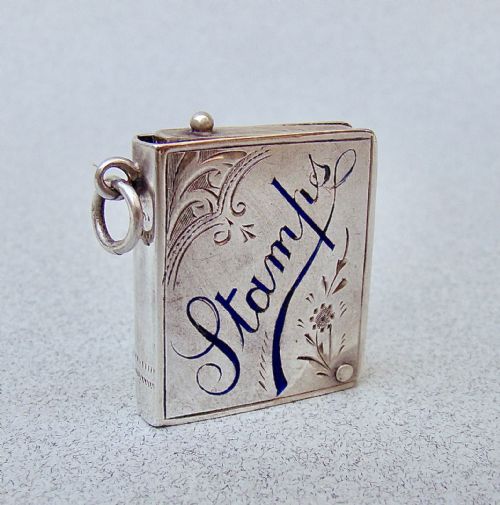
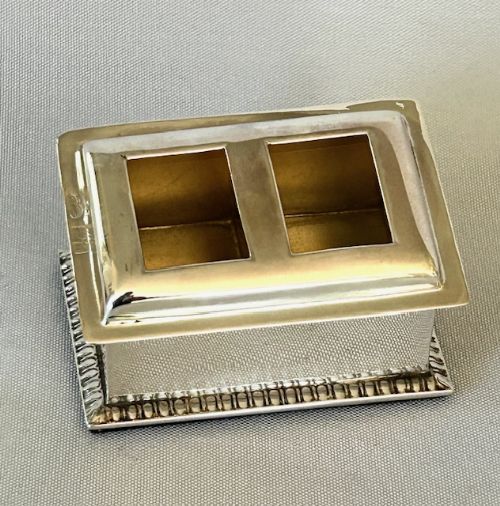
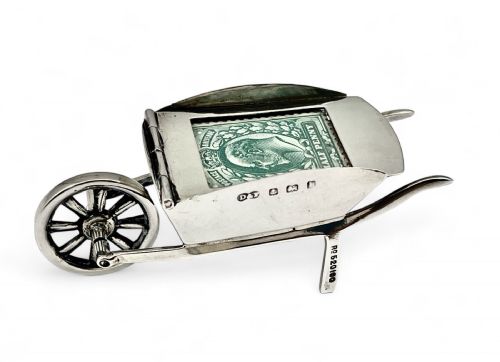
A silver stamp holder box is a compact desk accessory or pocket piece created to hold postage safely, taking forms such as miniature envelopes, books, wallets, double troughs, and novelty garden items like wheelbarrows and trugs. When buyers search for a silver stamp holder box, they encounter pieces originating mainly from the Victorian, Edwardian, and George V periods.
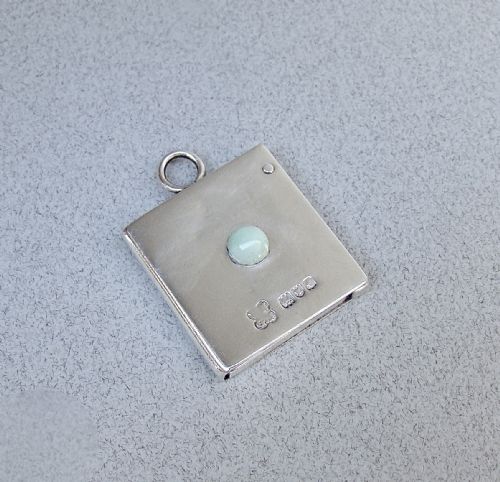
The assortment includes desk boxes fitted with glass or mounted stone alongside pocket cases designed as slides, fob attachments, and swivel holders. Most examples date from the late nineteenth century through to the early twentieth century, reflecting the peak era of personal correspondence and stationery organisation.
Materials and construction
Makers utilised sterling silver alongside glass, leather, enamel, and stone to construct these miniature containers, often mounting silverwork onto cut glass bases or combining metal with fitted interiors. Surface decoration relies on fine engraving and hallmarked smithing techniques characteristic of Birmingham, London, and Chester assay offices.
Hinged lids, slide mechanisms, and swivel mounts require precise metalworking to ensure tiny compartments open smoothly. Silver plating appears on specific dispensing boxes alongside solid sterling constructions.
Garden trugs and wheelbarrows shrunk down to pocket size let Edwardian gardeners mail letters with botanical flair.
Factors influencing quality
Quality rests on the crispness of the hallmark stamps, the complexity of the design, and the integrity of moving parts such as hinges and swivel pins. Novelty forms that replicate everyday objects with detailed engraving demand higher craftsmanship than standard rectangular containers.
The presence of secondary materials like glass, enamel, or fitted leather interiors elevates the standard of a piece. Crisp chasing and clear maker marks distinguish workshops that invested heavily in detailed finishing from those producing simpler utility items.
CRISFORD & NORRIS·W & G NEAL·ALBERT ERNEST JENKINS·LEVI & SALAMAN
The Silver Stamp Holder Box Glossary
- Hallmark
- An official stamp struck on precious metals to indicate the standard of purity, the assay office, and the date letter. These marks are essential for dating British silver pieces accurately.
- Sterling Silver
- An alloy of silver containing ninety-two point five percent silver by mass and seven point five percent other metals, usually copper. This standard is universally applied to quality British desk accessories.
- Trough-shaped
- A desk box profile featuring a curved, open-topped channel designed to hold rolled or folded strips of stamps. This form sits upright on writing furniture for easy access.
- Slide opening
- A mechanism where the lid or body slides horizontally on a track rather than lifting on a hinge. This clever engineering keeps stamps secure in pocket cases.
- Novelty case
- A container shaped to resemble an unrelated object, such as a garden wheelbarrow, trug, or book. These imaginative forms appeal strongly to specialised collectors.
Silver Stamp Holder Box: Frequently Asked Questions
How were silver stamp boxes used?
Victorians and Edwardians kept these small containers on writing desks or carried them in pockets to protect gummed postage stamps from moisture and humidity. Different compartments held stamps of various denominations for letters and parcels.
Desk models often accompanied inkwells and blotters as part of a coordinated stationery set. Pocket versions featured secure clasps or fob attachments for use while travelling.
How do I date my stamp box?
British silver boxes carry hallmarks that include a date letter indicating the precise year of assay, alongside symbols for the maker and the testing office in towns like Birmingham or London. Style clues also help, as naturalistic novelty shapes and specific envelope designs point firmly to the Edwardian and George V eras.
Comparing the maker mark against historical records confirms the exact workshop responsible. Assay office marks provide a reliable anchor for the timeline of each piece.
Are these boxes suitable for modern stamps?
Most antique boxes were sized for historical stamp dimensions rather than modern self-adhesive issues, meaning current stamps may need folding or trimming to fit inside older compartments. However, many collectors still use them for holding vintage stamps or simply display them as desk art.
Smaller novelty cases function best as decorative objects rather than practical postal accessories today. Double trough boxes easily accommodate folded modern panes if the dimensions align.