




Silver Spirit Cups
Silver spirit cups are portable drinking vessels and small measures designed for travel, field sports and pocket use.
Silver Spirit Cups
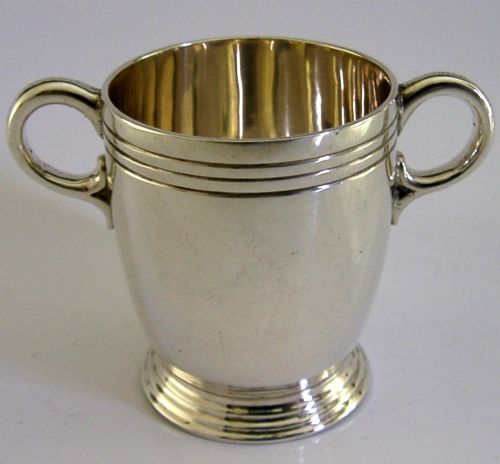
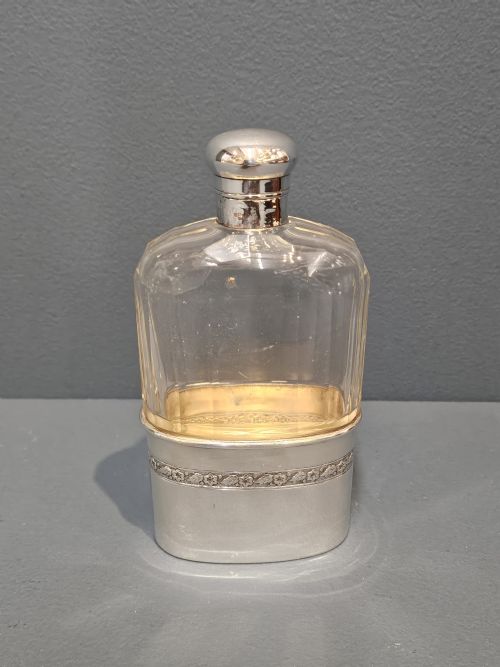
Silver spirit cups encompass pocket beakers, fitted flasks with removable bases, boxed shot glasses and small tot vessels designed for portable drinking. When examining silver spirit cups on this page, buyers frequently encounter Victorian and Edwardian examples alongside later Art Deco iterations.
The form spans straightforward beakers, nesting sets, novelty thimble cups and Russian silver vodka cups. Many pieces integrate glass or crystal bodies with silver mounts, while others rely entirely on solid sterling silver or silver plate.
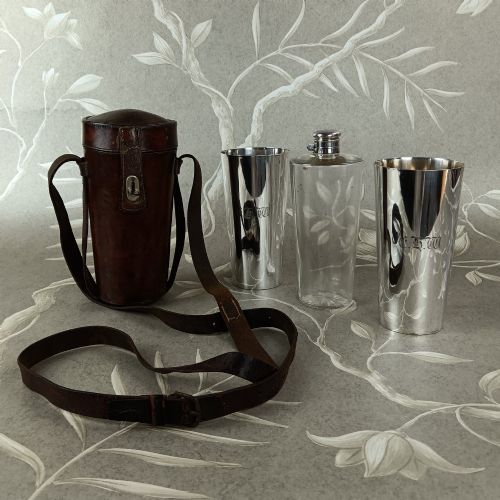
Origins range across English assay offices including London, Birmingham and Chester, alongside continental workshops and Russian centres. Sets often arrive in fitted presentation boxes or accompanied by leather cases for travel.
Materials and construction
Silversmiths constructed solid pieces from sterling silver or silver plate, frequently employing parcel-gilt interiors to protect the metal from corrosive spirits. Glass and cut crystal bodies provided visibility of contents, secured by threaded or slip-on silver mounts.
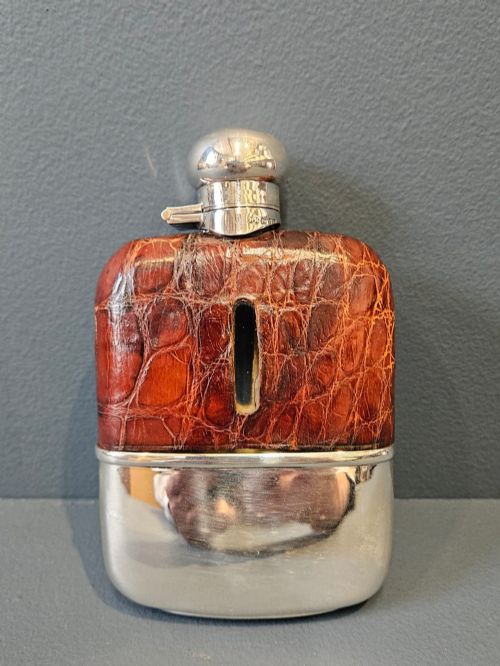
Exterior textures varied widely through hand-hammered finishes, smooth polished surfaces and fitted coverings of genuine crocodile skin or embossed leather. Hinged caps and removable cups required precise engineering to ensure liquid retention during movement.
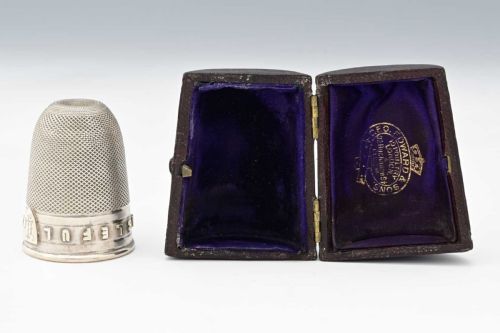
Victorian drinkers enjoyed humour in miniature, demonstrated by silver cups shaped exactly like sewing thimbles.
Assessing quality
Quality rests upon the weight and thickness of the silver gauge, the clarity of hallmarks, and the precision of fitted joints. Superior pieces demonstrate crisp chasing, tight seals on threaded caps and undamaged glass or crystal reservoirs.
Maker attribution significantly influences standing, particularly when associated with prominent silversmiths or retailers like Asprey and James Dixon & Sons. Complete original sets housed in fitted cases command greater regard than assembled or incomplete groupings.
James Dixon & Sons·Hukin & Heath·Asprey London·W A Ellwick Ltd·Aleksandr Timofeyevich Shevyakov·Maison Barra
The Silver Spirit Cups Glossary
- Sterling silver
- An alloy containing 92.5 percent silver by mass, with the remainder comprising other metals, usually copper. This standard serves as the primary benchmark for British silver manufacturing.
- Silver gilt
- Silver that has been coated with a thin layer of gold on its interior or exterior surfaces. This technique prevents strong alcoholic spirits from tarnishing the base silver.
- Hallmark
- An official mark stamped onto articles of precious metal to verify their purity and origin. British marks typically include a maker's mark, assay office mark and date letter.
- Tot cup
- A small drinking vessel intended for a single measure of spirits. These items frequently appear individually or within matched boxed sets.
- Parcel-gilt
- A term describing an object that is only partially gilded, usually leaving the exterior in plain silver while the interior receives a gold wash.
Silver Spirit Cups: Frequently Asked Questions
How do I clean silver spirit cups?
Use a soft cloth and mild silver polish specifically formulated for precious metals, avoiding abrasive pads that scratch delicate surfaces. Rinse thoroughly in warm water and dry immediately to prevent water spots.
Take extra care around glass inserts, leather wrappings and gilt interiors to ensure cleaning agents do not damage non-metal components.
Were these cups used for travel?
Many of these vessels served travellers, hunters and military officers who required portable drinking equipment for field use. Fitted leather cases and screw caps prevented spills during transit.
Smaller beakers and thimble cups packed easily into pockets or hampers for outdoor refreshment.
How do I read the hallmarks?
British hallmarks typically feature a leopard head or anchor for the assay office, a lion passant for sterling standard, and a sequential letter indicating the year of manufacture. Maker initials identify the specific workshop responsible for the piece.
Comparing these stamps against standard reference tables reveals the precise year and location of creation.
Can I still drink from antique silver?
Solid silver and silver gilt remain safe for holding potable liquids provided the interior is clean and free from harmful residues. Modern users frequently enjoy spirits from these historic vessels.
Avoid leaving acidic liquids or alcohol inside silver containers for extended periods after use.