





Silver Sheffield Plate Jug
These silver sheffield plate jug pieces combine fused metal sheets and practical vessel forms for pouring wine, beer, and coffee across Georgian, Regency, and Victorian eras.
Silver Sheffield Plate Jug
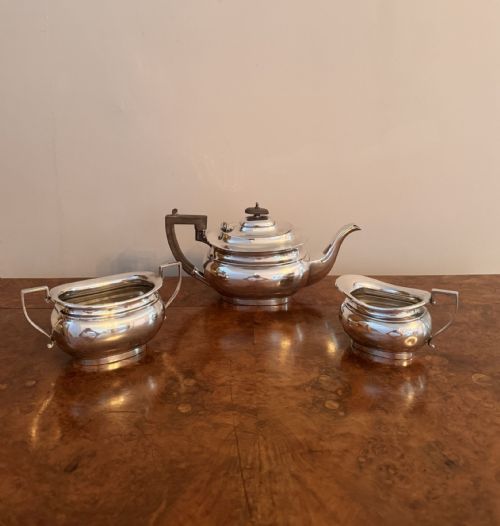
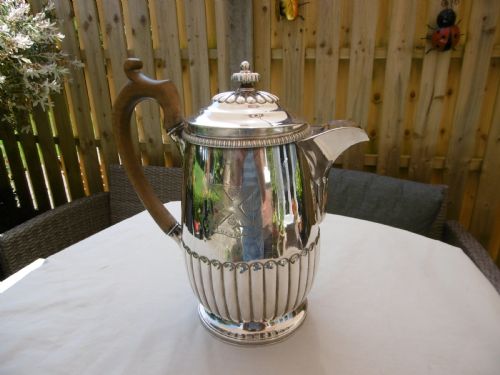
A silver sheffield plate jug represents holloware vessels designed for coffee, water, beer, wine, and communion services, spanning the eighteenth and nineteenth centuries. The pieces on this page lean heavily towards coffee pots, beer jugs, and wine ewers from the Georgian and Regency periods.
Makers shaped these containers as tankards, pitchers, decanters, and teaware components to serve drinks at formal tables. Surviving examples demonstrate how households poured beverages before mass-produced ceramics dominated dining rooms.
Materials and construction methods
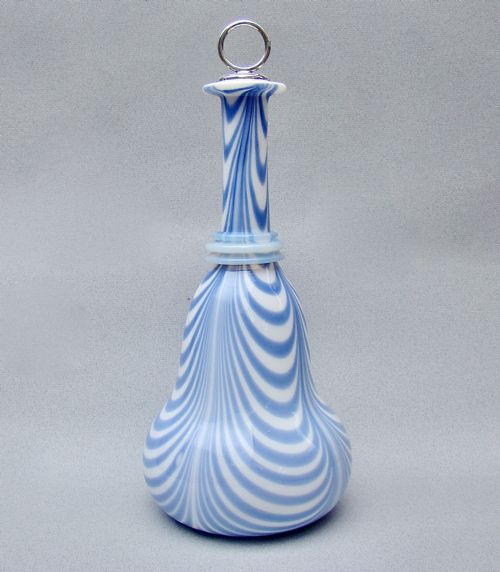
Old Sheffield plate fuses a layer of silver to a thicker copper core under heat, creating a durable metal sheet that smiths then hammered, spun, or soldered into shape. Some vessels incorporate glass bodies, wooden handles, and gold gilt accents alongside the plated metal.
Makers applied applied borders, crests, and early maker marks to finish the exterior surfaces of these pitchers and coffee pots.
Silver Sheffield Plate Jug Retail Price Guide 2026
Typical asking prices for silver sheffield plate jug among the pieces listed under this phrase on Sellingantiques today, from the lower quarter to the upper quarter. They describe what is for sale here now, not the wider market.
The listings combine 18th century and 19th century items across Georgian, Regency, and Victorian styles.
Assessing quality in plated vessels
Quality rests upon the crispness of applied crests, coats of arms, and decorative mounts soldered onto the body. Substantial weight and balanced pouring spouts indicate higher grade production by skilled workshops.
The preservation of the fused silver layer over the copper core dictates the longevity and visual appeal of each tankard or coffee jug.
Matthew Boulton·John Hoyland·Elkington and Co
The Silver Sheffield Plate Jug Glossary
- Old Sheffield Plate
- A composite material made by fusing silver and copper together, invented in the eighteenth century. This technique allowed makers to produce luxurious holloware at a fraction of solid silver cost.
- Wine Ewer
- A decorative pitcher or jug used for serving wine at the table. These pieces often feature neoclassical lines and applied armorial crests.
- Quart Tankard
- A large drinking vessel fitted with a handle and sometimes a lid, intended for beer or ale. They appear frequently in Georgian metalwork inventories.
- Communion Jug
- A specialised ecclesiastical vessel used in church services. Examples from the nineteenth century survive with distinct religious forms.
Silver Sheffield Plate Jug: Frequently Asked Questions
What is Old Sheffield Plate?
Old Sheffield Plate is an early form of silver plating created by fusing a thin sheet of silver to a copper ingot. This method produced tableware that looks and feels like solid silver.
Smiths shaped these fused sheets into coffee pots, beer jugs, and wine ewers during the eighteenth and nineteenth centuries.
How do I date these jugs?
Dating relies on stylistic shifts from Georgian restraint to Regency elegance and Victorian ornamentation, alongside early maker marks stamped into the metal.
Form, handle types, and crests help narrow the decade of manufacture for each piece.
Were these vessels used for coffee?
Many surviving examples on this page served as coffee pots or coffee jugs. These taller pots kept brewed beverages warm for guests.
Other vessels functioned as beer jugs, water pitchers, and communion containers depending on their capacity and spout design.
How should I clean my silver plate jug?
Maintenance requires mild soapy water and a soft cloth to protect the thin silver layer bonded to the underlying copper. Abrasive polishes wear away the plating over time.
Gentle care preserves the original surface and any engraved crests or armorial bearings.