





Silver Rimmed Dishes
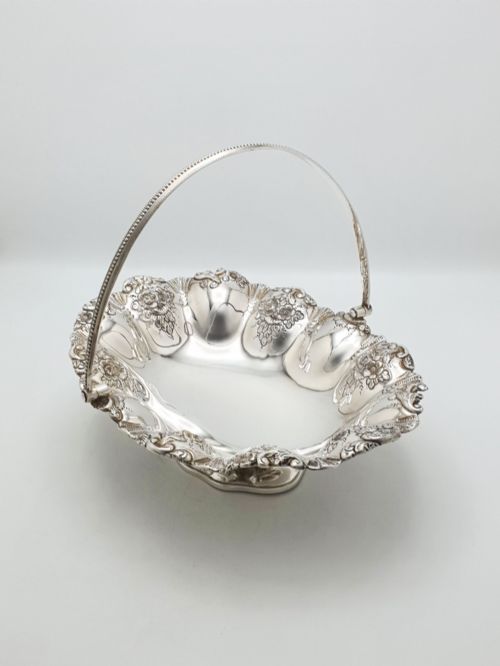
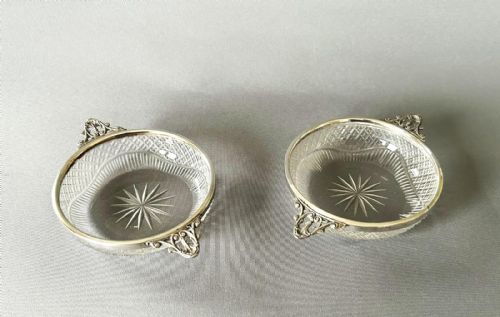
Silver rimmed dishes combine metal edging with glass, ceramic or wood, giving practical tableware a crisp border.
Silver Rimmed Dishes
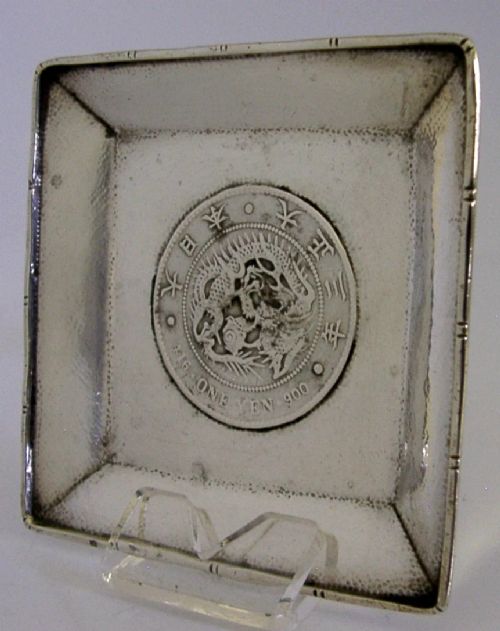
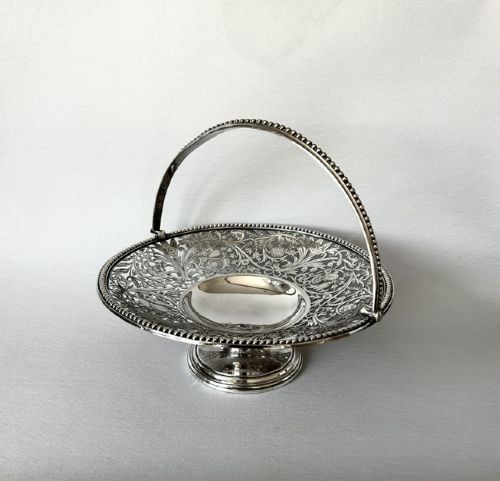
Silver rimmed dishes span bowls, pin dishes, baskets, chargers and serveware from the 17th century through to the 1930s. A buyer searching this phrase encounters pieces intended for serving, display or holding small items.
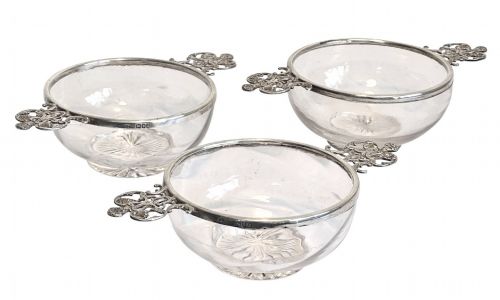
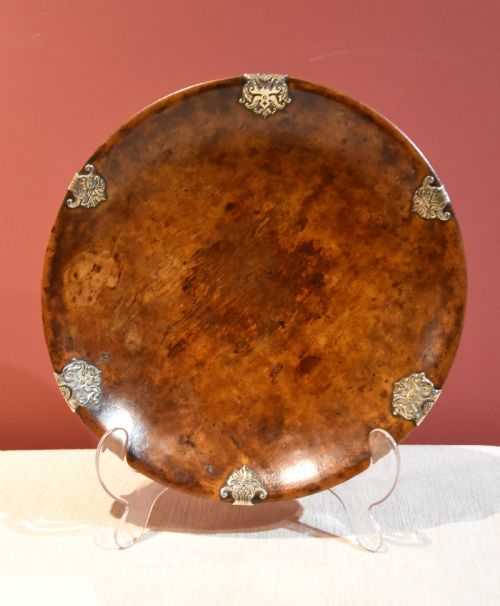
The materials paired with the metal vary widely across the selection. Glass, cut glass, vaseline glass, ceramic, stoneware, oak, burr walnut maple and pewter form the main bodies of these pieces.
Victorian and Edwardian examples sit alongside pieces from the 18th century, 19th century, 1920 and 1930. The mix includes utilitarian chargers alongside decorative centrepieces and trinket dishes.
How they were made
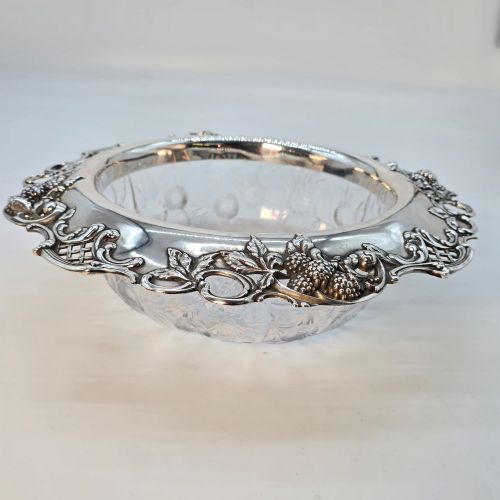
Makers combine sterling silver or silver plate with glass, ceramic or wood to form the structure of the dish. Repoussé work, piercing and blue enamel decorate the metal rims and mounts.
Glass bodies utilise cut glass, mirror glass and coloured vaseline glass or cobalt blue glass. Pewter vessels feature hammered surfaces, while wooden items employ burr walnut maple and oak.
Silver Rimmed Dishes Retail Price Guide 2026
Typical asking prices for silver rimmed dishes among the pieces listed under this phrase on Sellingantiques today, from the lower quarter to the upper quarter. They describe what is for sale here now, not the wider market.
Periods range from 17th century pewter chargers through to Art Deco glass bowls from the 1930s.
What varies in quality
The weight and gauge of the sterling silver or silver plate determine the substance of the rim. Thicker metal mounts and crisp detail in repoussé work distinguish finer examples.
The integration between the metal rim and the glass, ceramic or wood body shows the standard of manufacture. Well-fitted mounts and clear glass or unblemished ceramic elevate the piece.
Tiffany and Co·William Comyns·WMF·James Spackman·Doulton Burslem·Frank Butler·Thomas Templeman·Thomas Powell·S Duncomb·S Kirk and Son Company
The Silver Rimmed Dishes Glossary
- Sterling silver
- A silver alloy containing 92.5 percent pure silver by weight. This metal appears frequently in the mounts and rims of these vessels.
- Silver plate
- A layer of silver applied to a base metal core. Many baskets and serving dishes utilise this technique.
- Repoussé
- Metalworking technique where the metal is hammered from the reverse side to form a raised design. Floral motifs often appear in this style on Edwardian rims.
- Vaseline glass
- Glass containing uranium dioxide, producing a yellow-green colour that glows under ultraviolet light. This material frequently pairs with silver plated frames.
- Charger
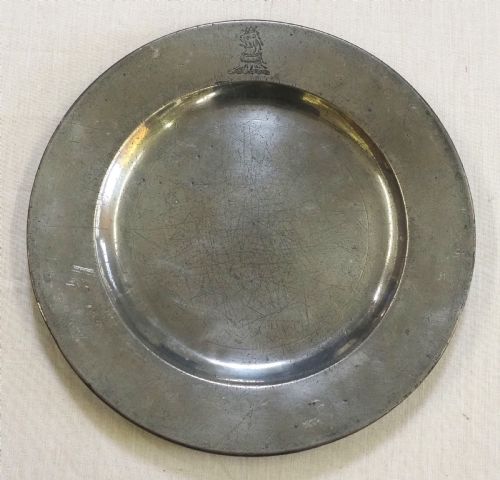
- A large decorative plate or dish used historically for service or display. Pewter examples feature plain or triple reeded rims.
Silver Rimmed Dishes: Frequently Asked Questions
How were silver rimmed dishes used?
These items served various roles on dining tables and in domestic settings. Bowls and baskets held fruit, preserves or small foodstuffs, while pin and trinket dishes kept personal items.
Larger chargers and platters functioned as decorative display pieces or bases for service during meals.
How do I clean silver rims?
Cleaning requires a soft cloth and a dedicated silver polish applied carefully around the mounted material. Avoiding harsh abrasives protects both the metal and the glass or ceramic body.
Special care prevents polish from entering crevices in pierced or repoussé work.
What materials are paired with silver?
Makers combine silver rims with cut glass, vaseline glass, mirror glass and plain glass. Ceramic, stoneware, oak and burr walnut maple also form the bodies of these vessels.
Pewter appears as an alternative metal for chargers and plates.
How do I date a dish?
Dating relies on hallmarks, maker stamps, stylistic clues and the materials used. Art Deco pieces show geometric patterns from the 1920s and 1930s, while Victorian and Edwardian items display distinct floral or pierced motifs.
Pewter chargers often bear makers' marks and dates spanning the 17th and 18th centuries.