

Silver Reading Light
A silver reading light brings focused task illumination and period character to a desk, reading table or study.
Silver Reading Light
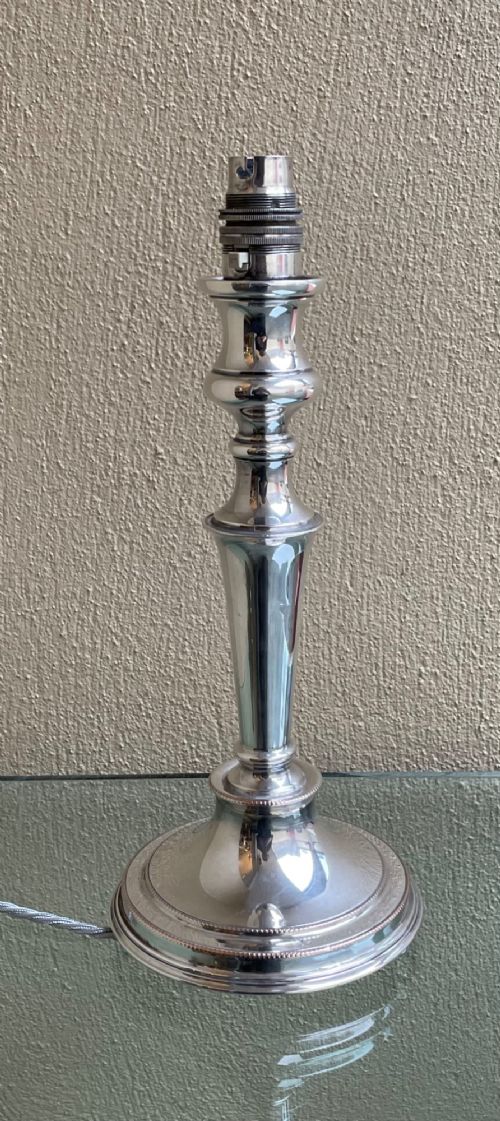
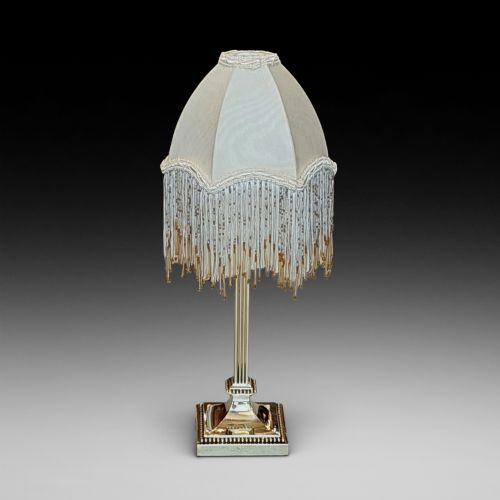
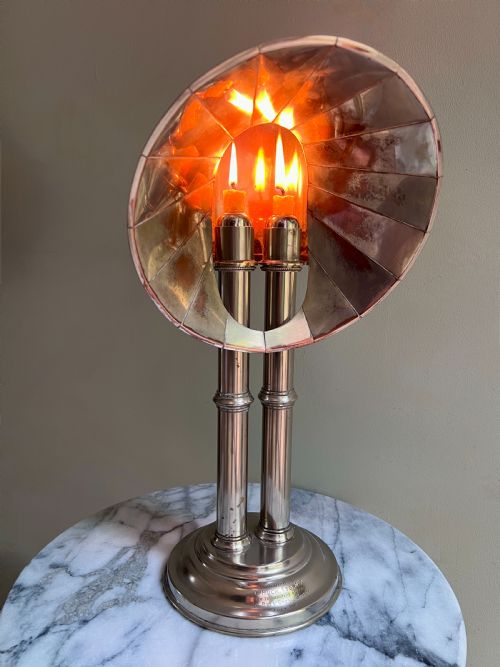
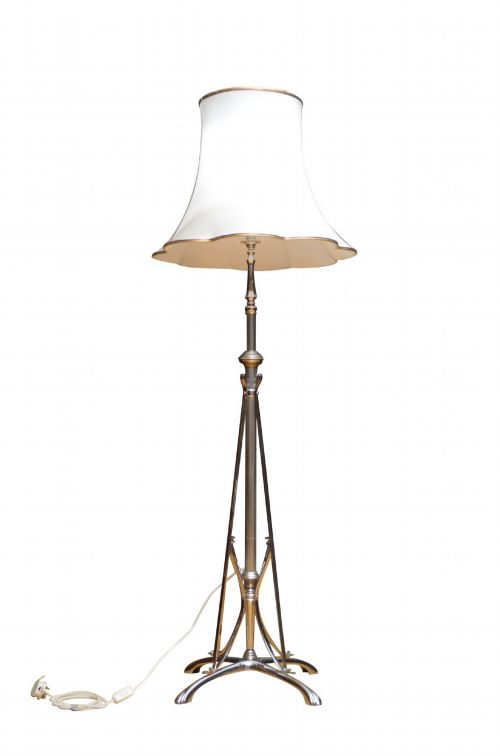
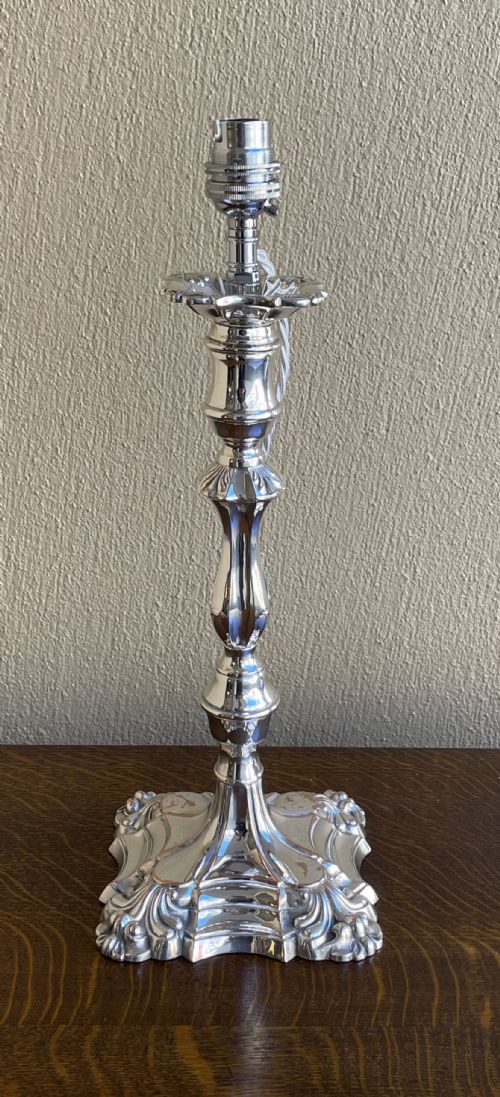
A silver reading light provides direct illumination for tasks and desks, taking the form of table lamps, desk lamps, floor lamps and candle lamps.
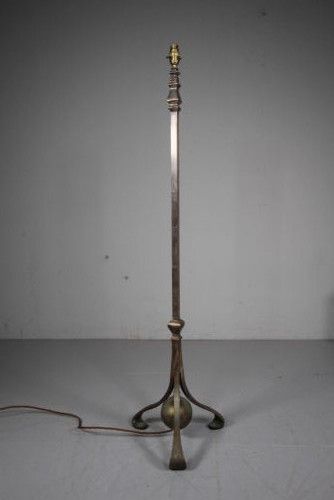
The pieces appearing for this search span the Victorian, Edwardian and Art Deco periods, encompassing Neoclassical revival designs and machine age industrial forms.
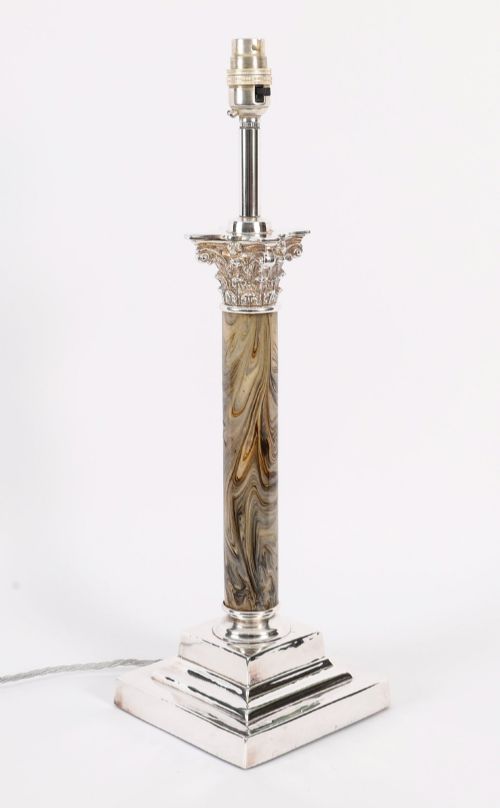
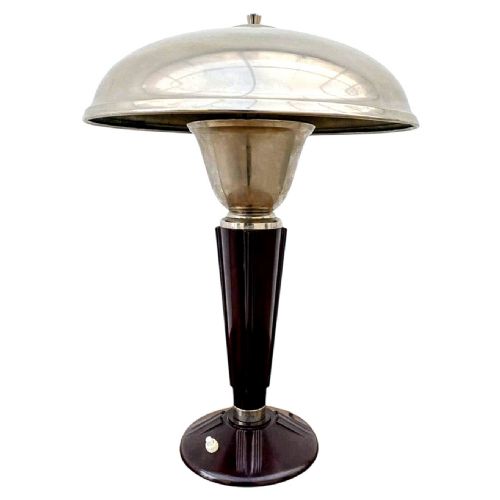
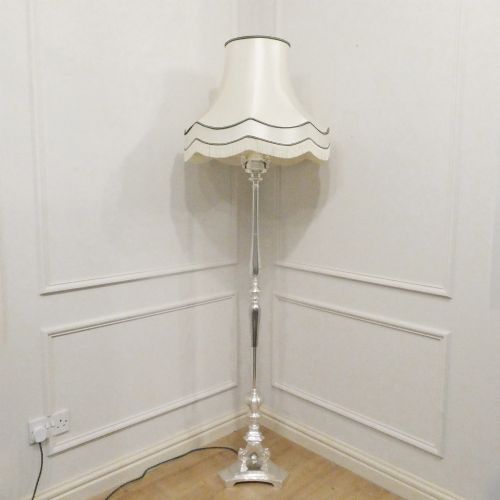
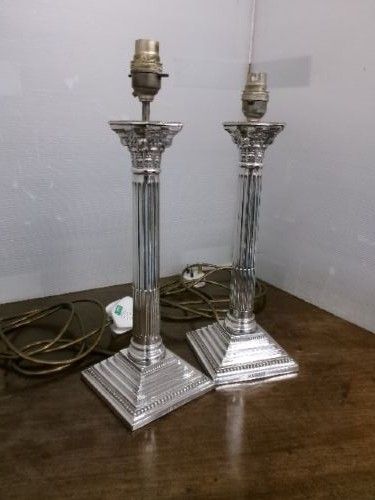
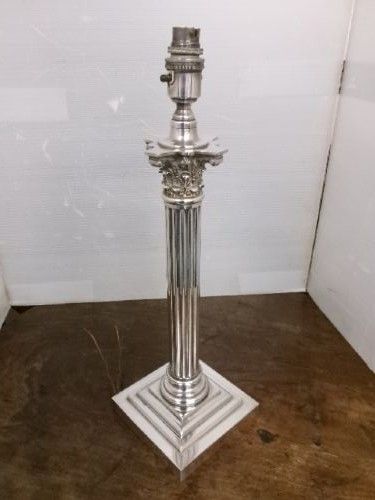
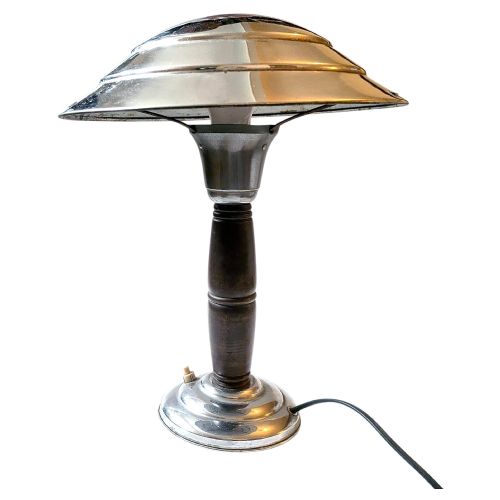
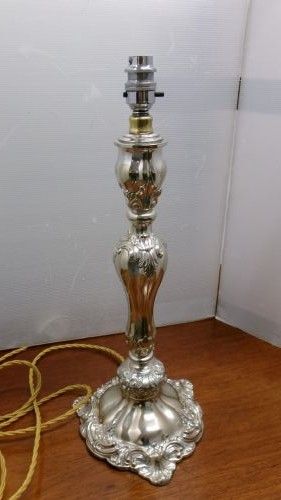
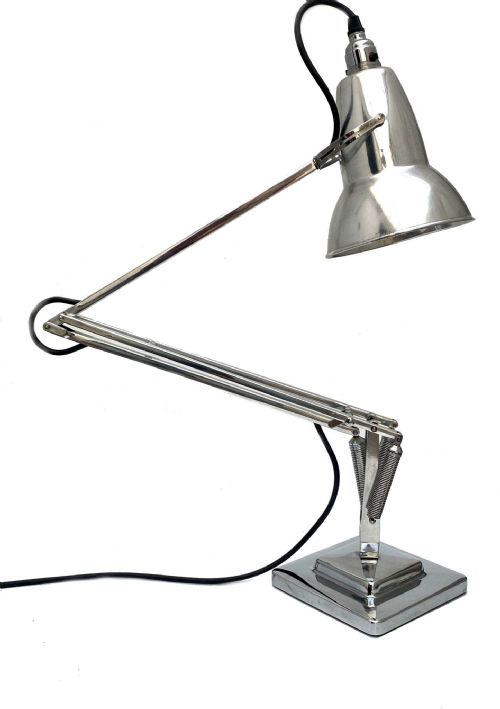
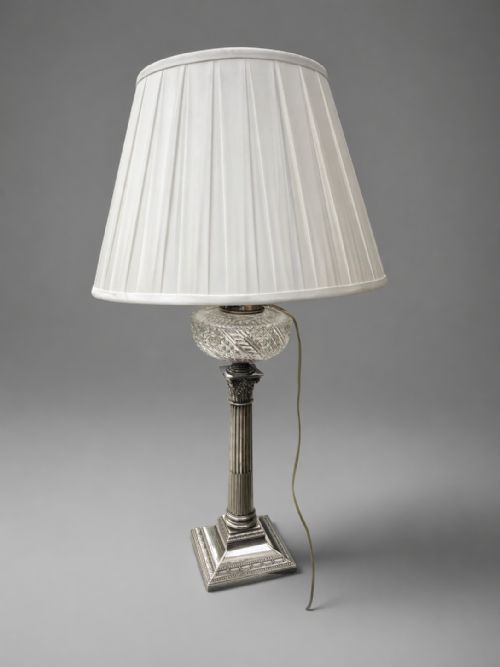
Corinthian column table lamps in silver plate and adjustable chrome desk lamps represent the most common versions met on this page.
How they were made
Construction relies heavily on silver plate, EPNS, nickel plate and chrome applied to brass, steel and base metals, paired with components in glass, fabric, parchment leather and Bakelite.
Manufacturing methods combine metal spinning and casting for columns and bases with articulated joints, gimbal mechanisms and adjustable arms for functional positioning.
Listings span from the 1880s through the 1940s, uniting Victorian revivalism with Art Deco and machine age modernism.
What varies in quality
Quality shows in the weight and gauge of the metal used for bases and columns, distinguishing substantial cast elements from thin pressed plate.
The precision of mechanical adjustments, such as screw threads, hinges and weighted counterbalances, separates ordinary utility pieces from finer creations.
Eileen Grey·Herbert Terry·Veritas Lamp Works·Pirouette·Farraday & Son
The Silver Reading Light Glossary
- Silver Plate
- A thin layer of silver fused to a base metal core such as brass or copper. This technique allowed manufacturers to produce domestic lighting with the visual appeal of solid silver at a lower cost.
- Corinthian Column
- A classical architectural order featuring an ornate capital decorated with acanthus leaves. Such columns were adapted into popular table lamp designs during the Victorian and Edwardian eras.
- Gimbal
- A pivoted support ring that allows a lamp or candle holder to remain level despite movement. These are frequently found on ship's lamps from the early twentieth century.
- Bakelite
- An early synthetic thermosetting plastic known for its durability and heat resistance. It appears on mid-century switches, plugs and lamp components.
Silver Reading Light: Frequently Asked Questions
How do I date a silver reading light?
Dating relies on stylistic clues, manufacturing techniques and any stamped hallmarks or registration marks found on the metal base. Victorian and Edwardian examples often favour classical revival motifs, while 1930s pieces lean towards chrome and modernist geometry.
Material choices also help narrow the timeline, as early synthetic plastics like Bakelite and machine age chrome point firmly to the interwar decades.
Were these lamps originally electric?
Many early reading lights started life as oil or candle lamps before being converted to electricity during subsequent decades. Some portable designs also utilised battery power or early wiring standards.
Listing details often note whether a piece retains its original fittings or has undergone rewiring for modern use.
How should I clean a silver plated lamp?
Cleaning requires a soft cloth and a mild silver polish formulated to protect thin plated surfaces from abrasive wear. Vigorous scrubbing can remove the silver layer entirely, exposing the underlying brass or base metal.
Unplated chrome and nickel surfaces generally need only a gentle wipe with a damp cloth to maintain their shine.
What is a banker desk lamp?
A banker desk lamp is an adjustable task light designed to provide focused downward illumination for paperwork and reading. They typically feature heavy metal bases and pivoting arms to direct the beam precisely where needed.
Versions from the early twentieth century often combine brass or plated metal with weighted bases for stability.