


Silver Presentation Platter
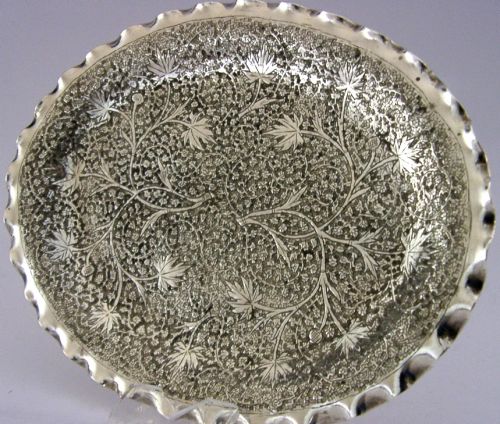
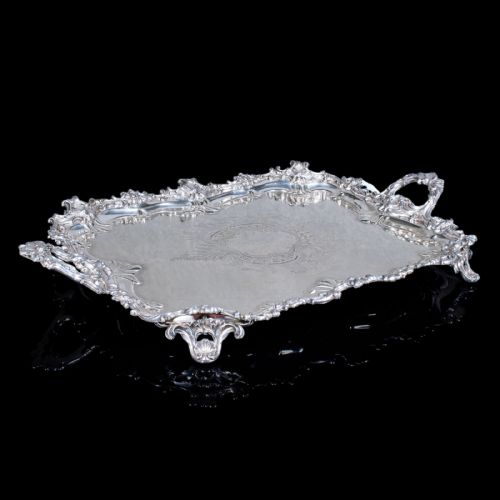
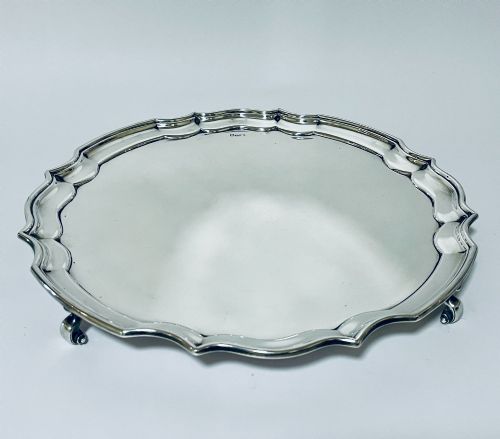
These silver presentation platters range from grand Georgian sterling silver salvers to Indian colonial and silver-plated Edwardian serving trays.
Silver Presentation Platter
A silver presentation platter is a ceremonial or domestic serving piece designed for display, tea service, or formal gift-giving. When you search this phrase, you meet items spanning the Georgian, Victorian, Edwardian, and later periods.
The forms on this page include heavy salvers, oval serving trays, charger plates, and shallow dishes. Many carry specific presentation inscriptions, such as church memorials or military lieutenant interest.
Origins stretch from English workshops to Indian colonial centres, Egyptian metalwork, and French-influenced Empire styles. These items function as centrepieces for formal entertaining as well as historic keepsakes.
How they were made
Makers shaped these silver presentation platters using sterling silver, solid silver, and various grades of silver plate over base metal or nickel silver. Some heavier pieces integrate timber elements like oak for structural support.
Surface decoration relies on extensive hand engraving, chased borders, and applied handles. Smiths employed casting for heavier bracket feet and raised rims on Georgian and Victorian salvers.
Several trays bear the ghosts of historic toastings, carrying faint tea stains from Edwardian afternoons long past.
What varies in quality
Quality rests upon the weight of the metal, the crispness of the chased or engraved ornament, and the integrity of the base construction. Substantial gauge silver and heavy silver plating endure frequent polishing better than thin alternatives.
The distinction between standard commercial output and bespoke presentation pieces lies in the handwork. Hand-chased floral motifs and fully articulated cast mounts separate ordinary serving trays from significant commissioned items.
James Fray·Paul Storr·Christofle
The Silver Presentation Platter Glossary
- Salver
- A flat tray, usually with feet, used for serving food or drinks or for presenting items. They form a major part of this inventory alongside open serving trays.
- Sterling silver
- An alloy containing a high proportion of pure silver by weight. This metal standard underpins the finest Georgian and nineteenth-century pieces.
- Silver plate
- A thin layer of silver bonded to a base metal or nickel silver core. This technique allowed makers to produce large decorative platters at a lower cost.
- Charger plate
- A large decorative base plate placed underneath other dinnerware during formal meals. Sets of these appear in twentieth-century church and institutional contexts.
Silver Presentation Platter: Frequently Asked Questions
How do I clean a silver presentation platter?
Use a specialised silver polish and a soft cloth to remove tarnish gently without abrading the surface. Avoid harsh chemical dips that strip away the original dark highlights in engraved patterns.
For silver-plated items, use extra care so you do not wear through the plating down to the base metal underneath.
Were these platters used for food?
Many served dual purposes for afternoon tea, cocktails, or formal dining depending on their size and surface flatness. Salvers with raised feet typically carried decanters and glasses rather than hot meat dishes.
Those fitted with handles were practical for carrying heavy sets of teaware from the kitchen to the parlour.
How can I date a silver tray?
Assay office marks, maker stamps, and stylistic cues like Victorian floral chasing or Art Deco geometric lines provide reliable dating evidence. Presentation inscriptions often record the exact year of gift-giving.
Heavy oak framing or specific plating methods also point toward distinct manufacturing decades.
Can I display these platters on a wall?
Large salvers and charger plates make striking wall displays when supported by sturdy, padded brackets designed for heavy metal objects. Ensure the wall fixings match the substantial weight of solid silver or plated items.
Keep displayed silver away from direct sunlight and damp environments to minimise rapid tarnish accumulation.