



Silver Presentation Dishes
Silver presentation dishes are commemorative and decorative pieces created in sterling silver, silver plate, and silver-gilt.
Silver Presentation Dishes
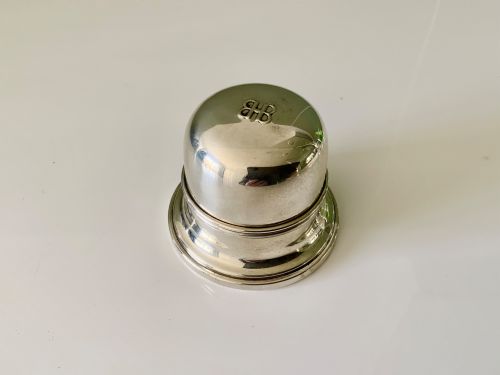
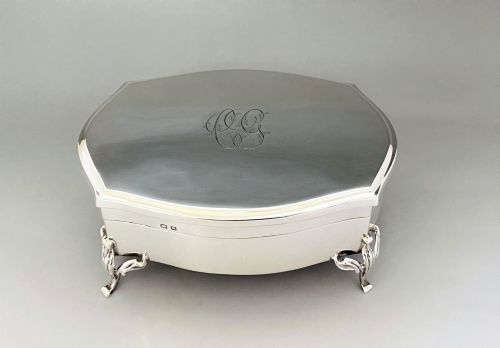
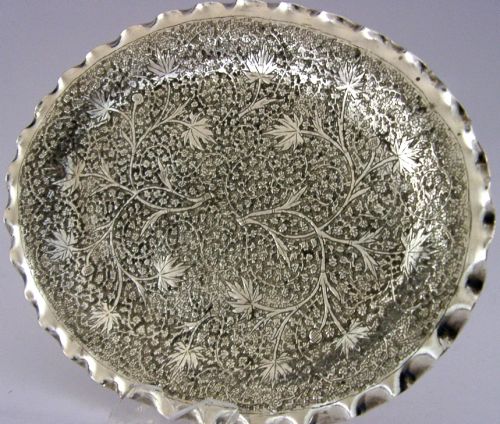
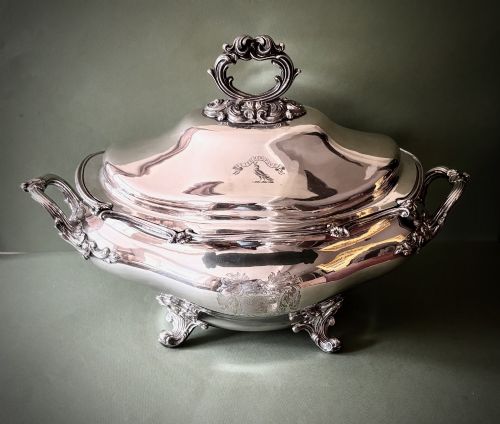
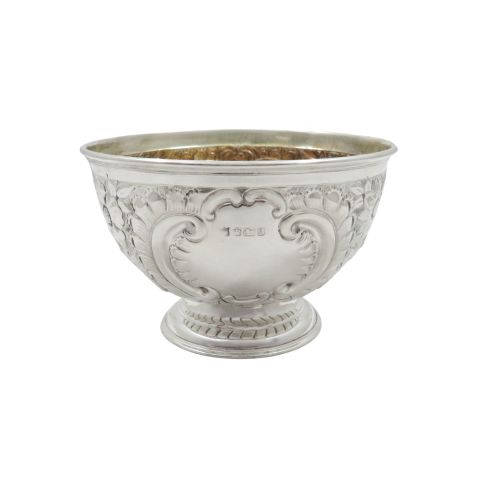
Silver presentation dishes encompass a varied group of commemorative vessels, bowls, trays, and cased items intended for display, ceremonial use, or formal gifting. When searching for silver presentation dishes, buyers encounter items ranging from Edwardian and Victorian sterling silver bowls to Anglo-Indian solid silver pieces and silver-plated chargers.
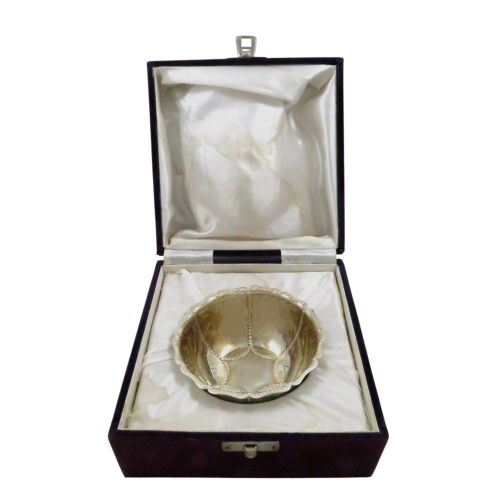
Most examples found in this category lean towards decorative bowls, serving dishes, and fitted cased sets designed to mark significant occasions. The materials span traditional sterling silver and silver plate alongside specialised executions featuring silver-gilt, vermeil, satin, velvet, oak, and ceramic elements.
How they were made
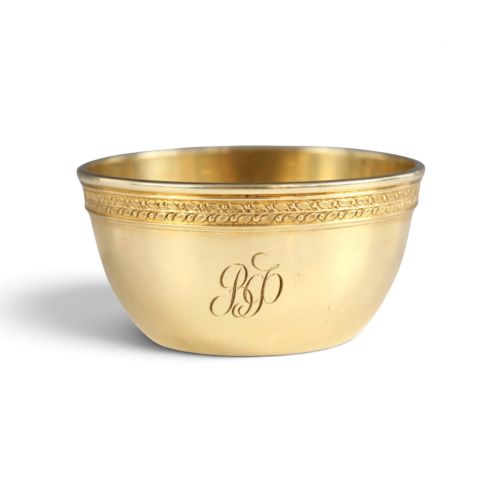
Makers utilised traditional metalworking techniques, working primarily with sterling silver, solid silver, and silver plate over copper or base metals. Selected pieces incorporate rich interior gilding known as silver-gilt or vermeil, adding a contrasting golden tone to the silver surface.
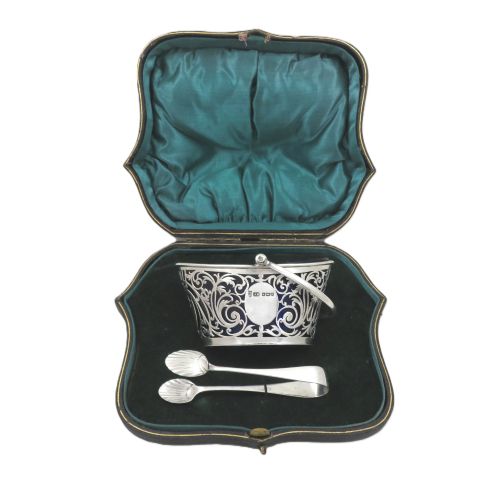
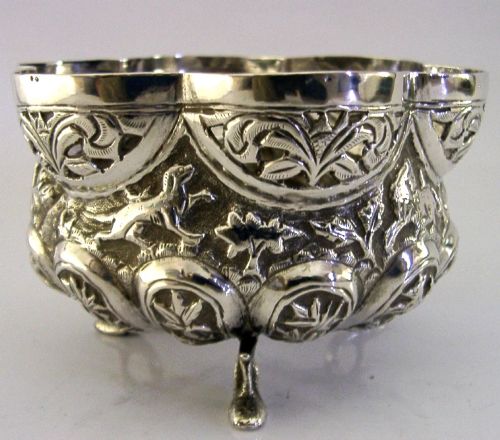
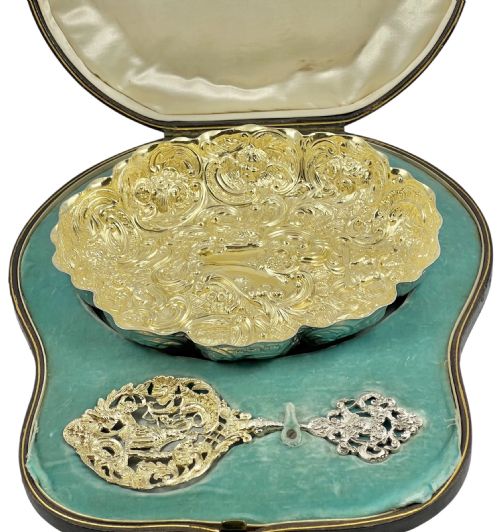
Construction methods vary from hand-hammered and chased Anglo-Indian designs featuring animal motifs to precise cast and raised sterling silver forms from English workshops. Presentation items often involved supplementary materials, integrating fitted velvet or satin linings inside protective leather cases, alongside combinations of oak and ceramic.
Silver Presentation Dishes Retail Price Guide 2026
Typical asking prices for silver presentation dishes among the pieces listed under this phrase on Sellingantiques today, from the lower quarter to the upper quarter. They describe what is for sale here now, not the wider market.
Several presentation dishes come complete with their original fitted cases, ready to impress a nineteenth-century committee all over again.
What varies in quality
Quality in these items rests upon the weight of the metal, the crispness of chased or engraved details, and the integrity of any fitted presentation case. Pieces created by renowned workshops or master workmasters display superior sculptural definition and heavier gauge silver compared to standard commercial plate.
The presence of original fitted cases, complete sets, and documented historical provenance elevates the standing of an individual piece. Workmanship on specialised finishes, such as silver-gilt interiors and intricate animal decorations, demonstrates the level of artistry applied by the maker.
Fabergé·Stephan Wekeva
The Silver Presentation Dishes Glossary
- Sterling silver
- A standard alloy consisting of ninety-two point five percent silver by mass, with the remainder composed of copper or other metals. This alloy provides the durability required for functional presentation pieces.
- Silver-gilt
- Silver that has been coated with a thin layer of gold on its surface. This technique protects the underlying silver from tarnishing while offering a rich two-tone appearance.
- Vermeil
- A specific combination of sterling silver plated with gold. It requires a heavy gold layer over solid sterling silver to meet formal standard definitions.
- Old Sheffield Plate
- An early method of fusing a thin sheet of silver to a thicker copper base. This technique precedes modern electroplating and is identified by thin silver edges where the copper core shows.
- Presentation bowl
- A vessel awarded or gifted to mark an achievement, retirement, or special event. These items frequently feature commemorative inscriptions or engraved crests.
Silver Presentation Dishes: Frequently Asked Questions
What were silver presentation dishes used for?
These items were traditionally commissioned or awarded to mark significant milestones, sporting victories, civic honours, and retirements. Recipients displayed them prominently in homes or institutional halls as symbols of achievement and status.
Over time, many of these vessels transitioned into decorative serving pieces or were preserved in fitted presentation cases alongside matching spoons and accessories.
How do I care for silver presentation dishes?
Maintenance requires gentle cleaning with appropriate silver polish to remove tarnish without abrading engraved inscriptions, hallmarks, or chased details. Soft cloths help preserve the original finish on sterling and plated surfaces.
When pieces feature velvet or satin linings, or mixed materials like oak and ceramic, moisture must be kept away from the organic and textile components during cleaning.
How can I tell the period of a piece?
Dating relies heavily on official hallmarks stamped into the metal, which indicate the assay office, the specific year letter, and the maker's mark. Stylistic cues such as Victorian ornamentation or Edwardian proportions also help narrow down the era of manufacture.
Construction techniques, including the transition from Old Sheffield Plate to later electroplating methods, provide additional context for determining the age of silver presentation items.
Are all presentation dishes made of solid silver?
Materials vary widely across this category, encompassing solid sterling silver, silver-gilt, traditional silver plate, and Old Sheffield Plate over copper bases. Each material reflects the specific budget, purpose, and period in which the item was commissioned.
Examining the weight, hallmarks, and edges of the metal helps distinguish between solid silver constructions and plated alternatives.