
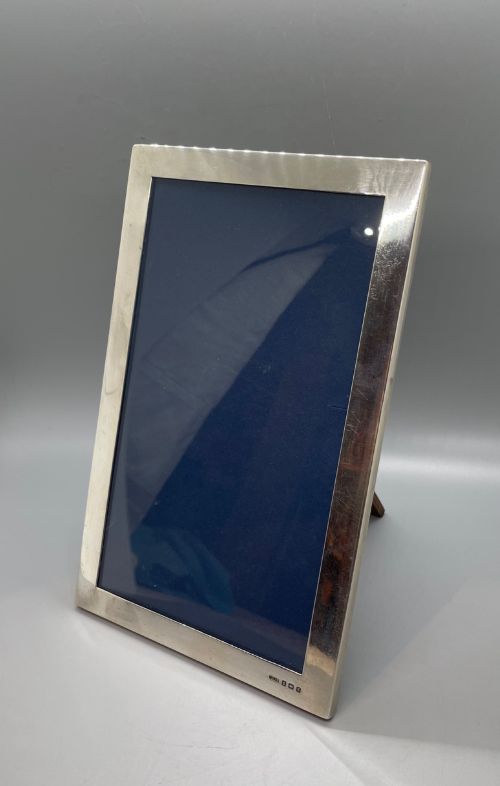
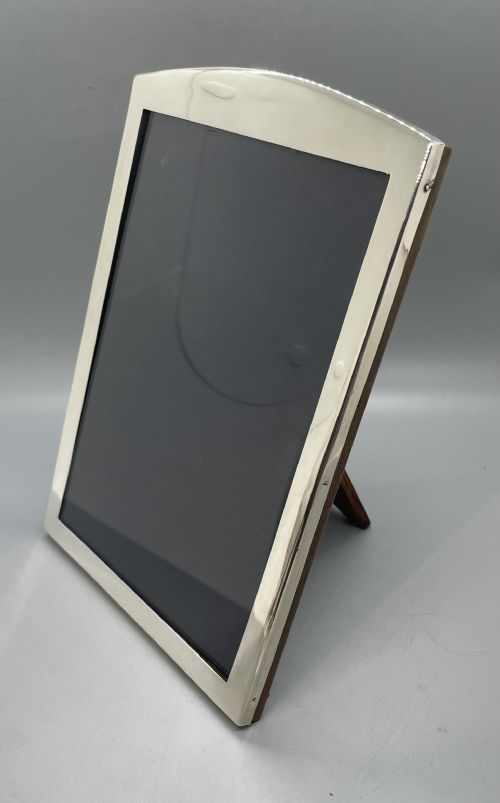
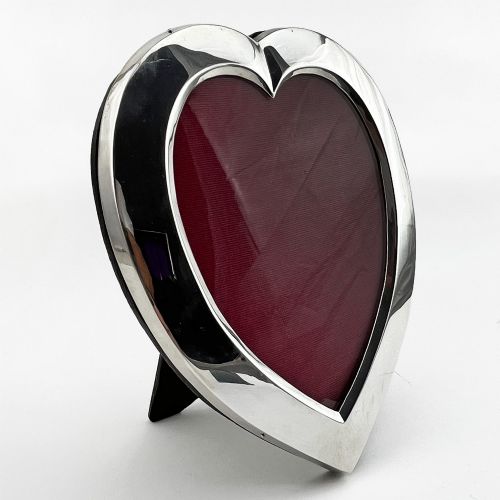
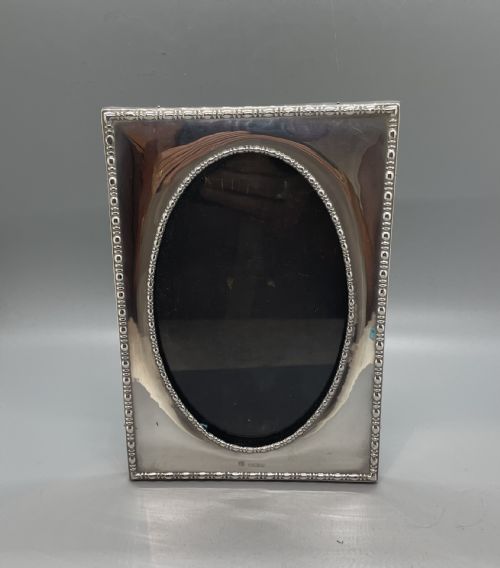

Silver Portrait Picture Frame
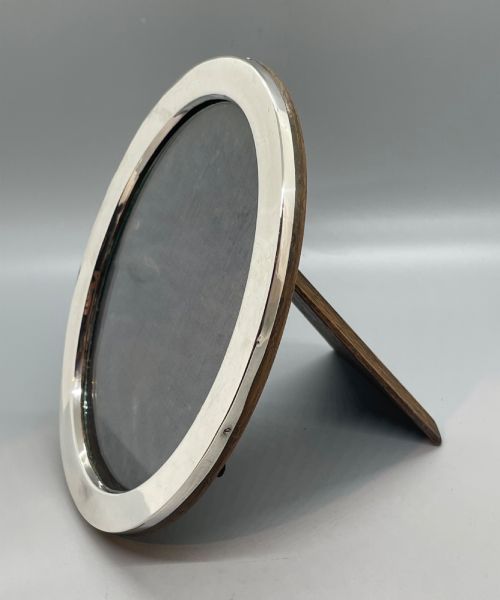
A silver portrait picture frame holds a cherished photograph while bringing bright metal and fine detail into a room.
Silver Portrait Picture Frame
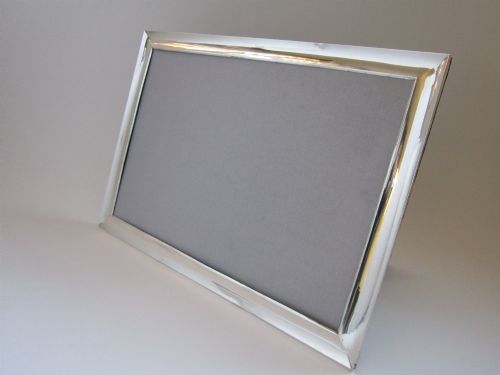
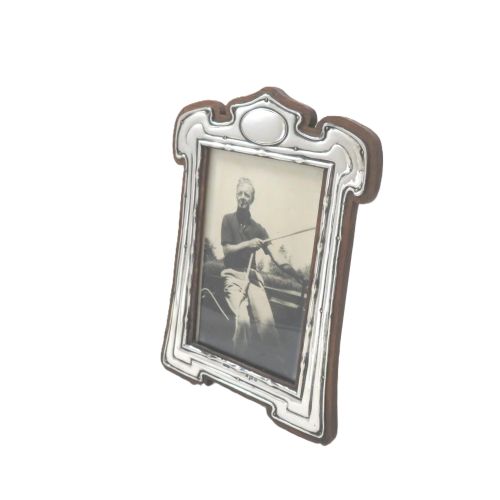
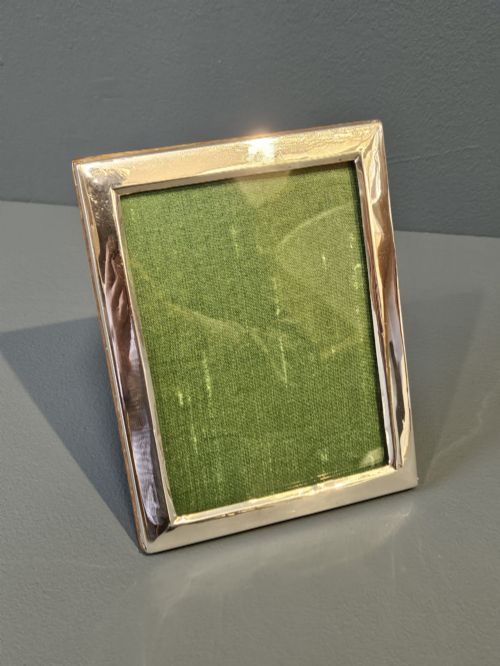
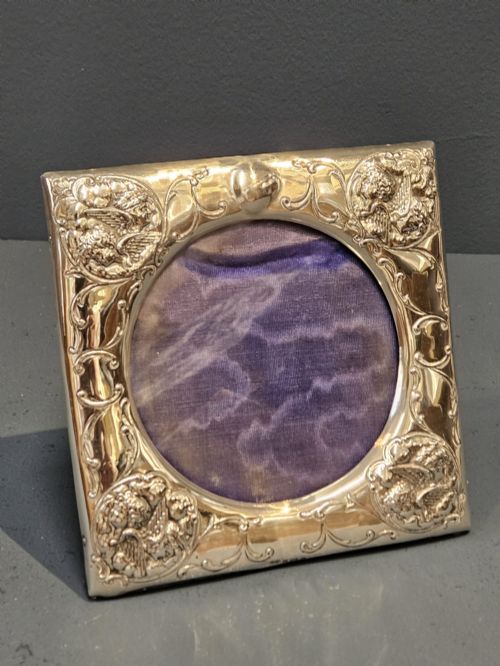
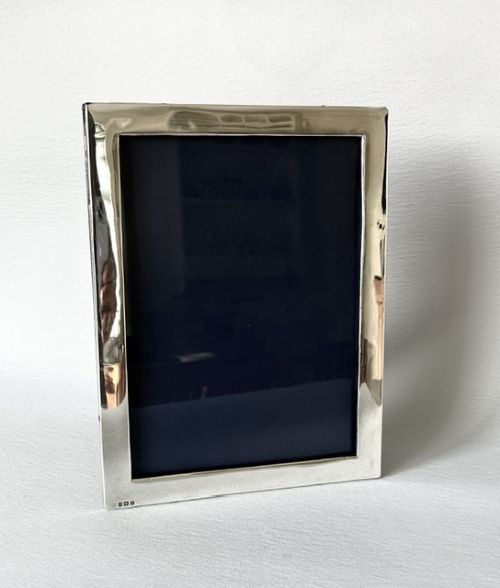
When you search for a silver portrait picture frame, you encounter metal surrounds designed to display upright images on desks, mantelpieces and tables. The selection ranges from late nineteenth-century Victorian designs to crisp George V examples from the early twentieth century.
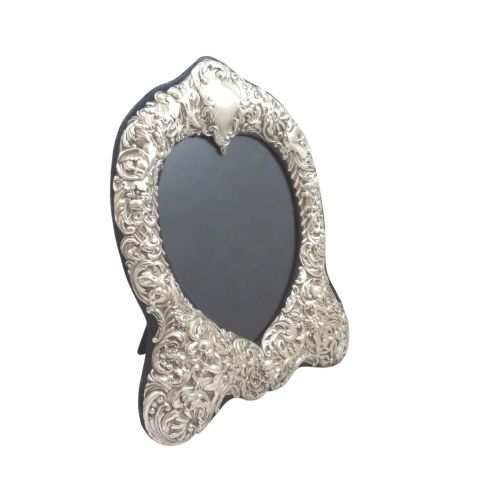
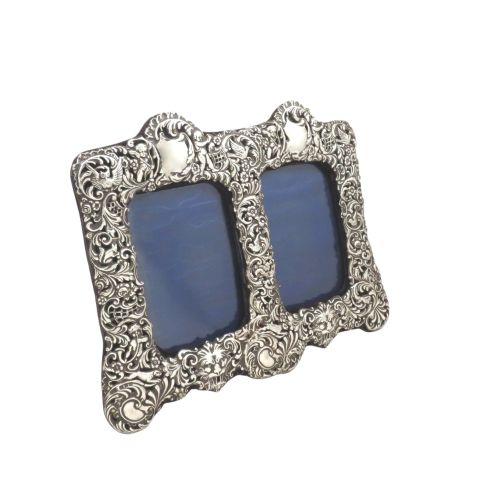
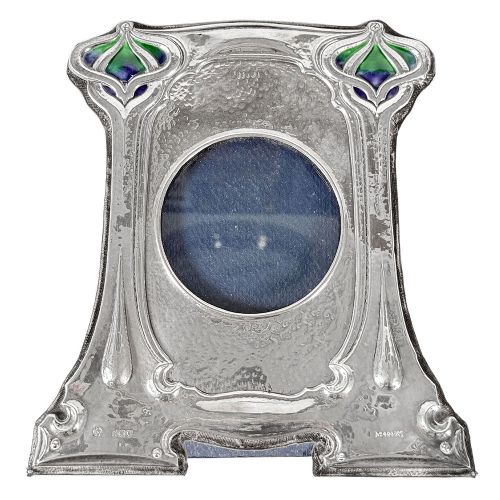
The objects take several distinct forms, including single upright vertical openings, heart shapes, double hinged folds and embossed floral borders. Many examples originate from provincial assay offices in Birmingham and Sheffield alongside London.
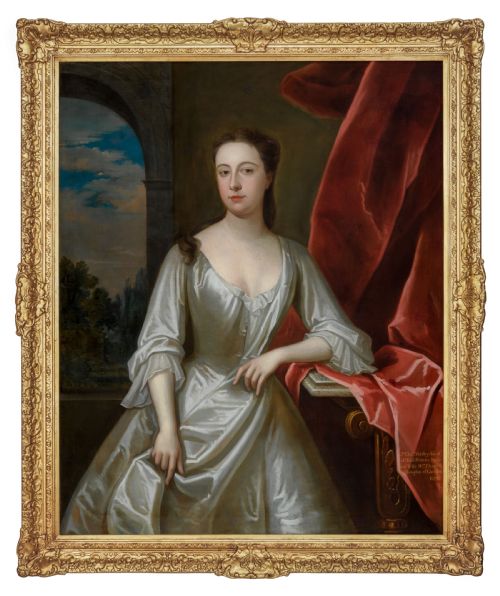
Alongside metal photograph holders, the category includes painted oil portraits housed in gilded wood frames dating back to the eighteenth century. Most items met here, however, consist of sterling silver fronts mounted on wooden backs with velvet supports.
How they were made
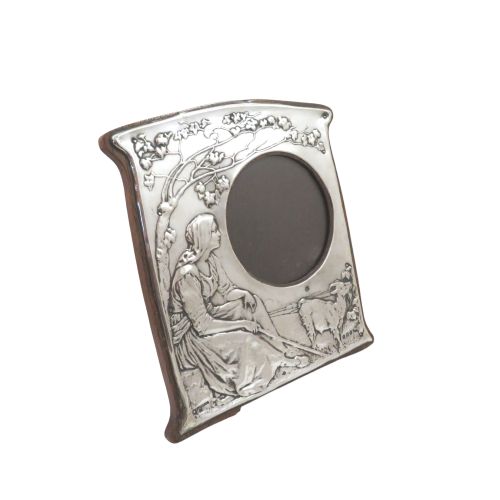
Silversmiths constructed these frames using sterling silver sheet metal, often shaped by stamping, embossing or hand-chasing to create organic Art Nouveau whiplash curves, floral motifs and geometric engine-turned patterns. Makers mounted the delicate silver facades onto wooden inner carcasses to provide structural rigidity.
Backings typically comprise wood lined with fabric or velvet, fitted with hinged easel struts that allow the frame to stand securely. Glass protects the portrait aperture, held in place behind the silver bezel or mount.
What varies in quality
Quality rests upon the crispness of the chased or embossed decoration and the weight of the sterling silver sheet utilised in the front mount. Crisp, deep relief work retains sharper botanical or figural lines than worn, shallow stampings.
The integrity of the original wooden backing, the intactness of the velvet covering, and the survival of the original easel support structure dictate preservation standards. Examples retaining clear hallmarks from assay offices demonstrate authentic period manufacture.
William Comyns·William Hutton and sons·W.I.Broadway and Co·Pinci
The Silver Portrait Picture Frame Glossary
- Sterling silver
- A silver alloy containing 92.5 percent pure silver by mass, with the remainder consisting of other metals like copper. This standard alloy provides durability for decorative items.
- Assay office
- An official body that tests the purity of precious metals and stamps items with hallmarks. Towns like Birmingham, Sheffield and London operated distinct offices.
- Engine-turned
- A decorative technique involving precise geometric patterns engraved into metal by a mechanical lathe. It creates repetitive, textured lines across the silver surface.
- Easels
- The hinged support strut attached to the rear of a frame that allows it to stand upright on a flat surface. These are frequently covered in fabric or velvet.
- Chasing
- A metalsmithing technique where a hammer and punches push metal from the front to create raised surface designs without removing material.
Silver Portrait Picture Frame: Frequently Asked Questions
How do I date a silver frame?
Dating relies heavily on the hallmarks stamped into the silver, which include assay office symbols, date letters, and the maker's mark. Comparing the stylistic cues, such as Art Nouveau floral embossing or Edwardian proportions, confirms the era.
Examining the construction of the wooden back and the type of hinge mechanism also helps determine whether the piece belongs to the Victorian period or later twentieth-century production.
Can these frames hold modern photographs?
Most antique frames accommodate standard photographic prints, though apertures occasionally follow nineteenth-century dimensions rather than exact modern paper sizes. You can carefully trim modern pictures to fit the exact window aperture.
The inner glass and backing boards lift out via retaining clips or turn-pins, allowing safe insertion of new portraits without damaging the historic metalwork.
How should I clean silver frames?
Cleaning requires a soft microfibre cloth and a gentle silver polish formulated to remove tarnish without abrading thin metal surfaces. Avoid getting liquid polish onto the wooden backing or velvet lining.
Using chemical dips is generally discouraged because they strip away the dark oxidation in recessed chased details that defines the pattern.
Were these always meant for desks?
While many smaller examples were designed for portable tabletop display in parlours and bedrooms, larger formats served as mantelpiece ornaments. Some double and triple hinged configurations sat permanently on writing bureaux.
The inclusion of easel backs indicates they were intended for interior display surfaces rather than wall hanging.