


Silver Plated Novelty
These silver plated novelty items bring humour and practical function to the table, spanning Victorian whimsy to mid-century modern design.
Silver Plated Novelty
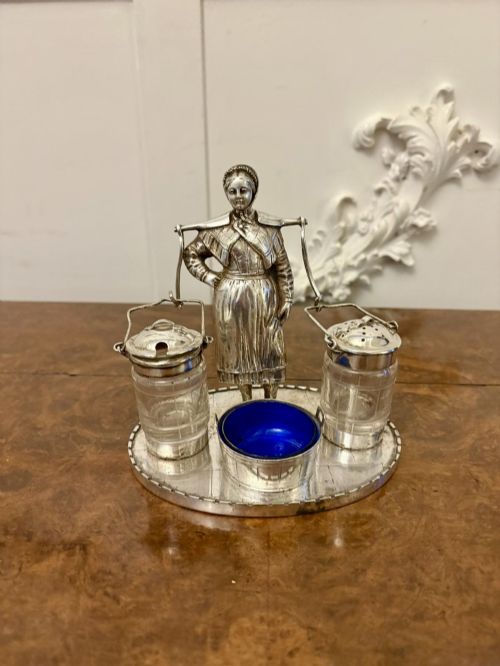
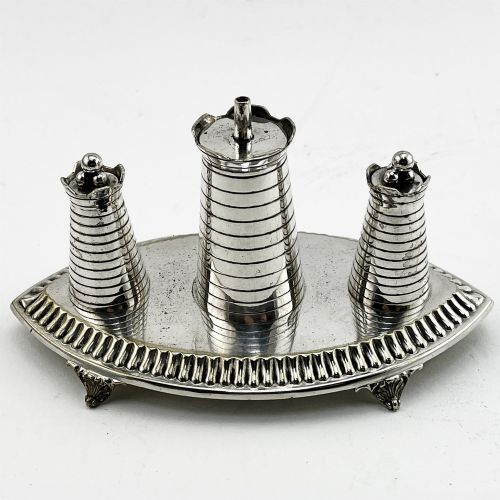
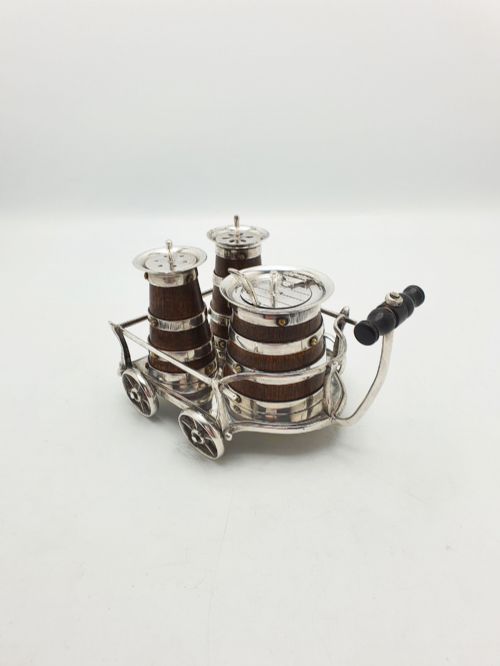
When you search for silver plated novelty, you encounter items designed to amuse guests while performing a specific dining or domestic task. The most common forms on this page include cruet sets styled as carriages, animal jugs, and spirit barrels.
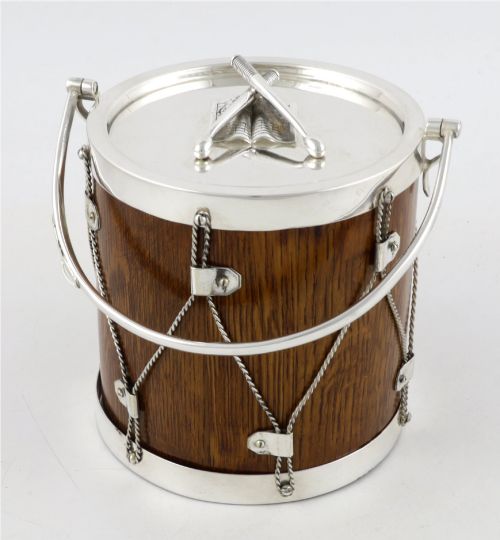
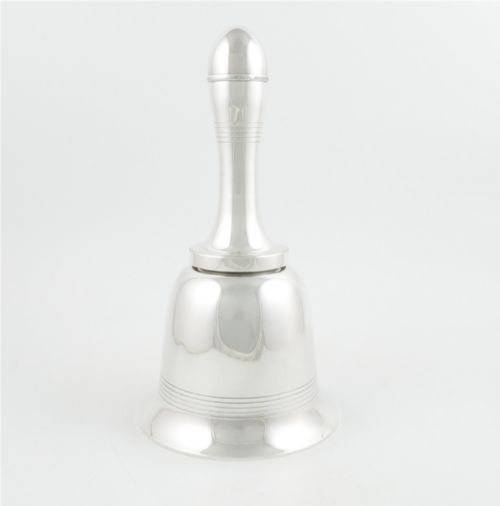
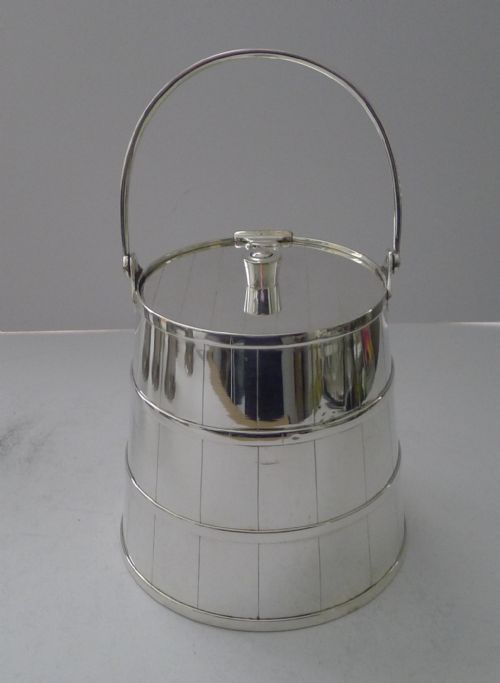
The selection ranges from Victorian napkin rings modelled as belt buckles to Art Deco cocktail shakers shaped like milk churns. Makers applied imaginative forms to everyday vessels such as biscuit boxes, mustard pots, and table lighters.
Originating predominantly from English workshops, these pieces date from the nineteenth and twentieth centuries. The selection demonstrates how dining tables became platforms for clever engineering and conversation starters.
Materials and construction
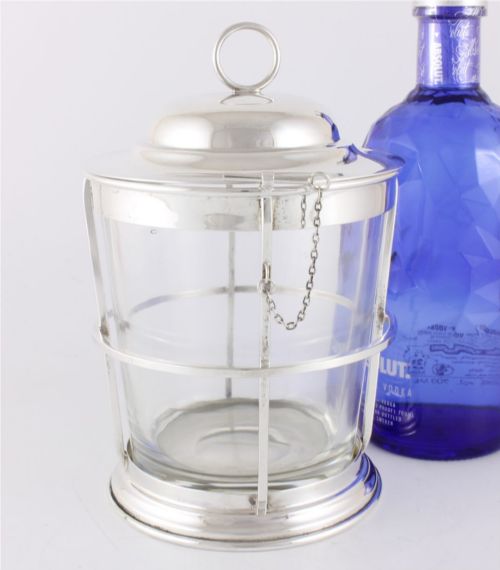
Makers combined silver plate over base metals with contrasting elements like cut glass, oak, walnut, and horn. Glass inserts hold liquids or condiments while metal plating forms the exterior decorative shell.
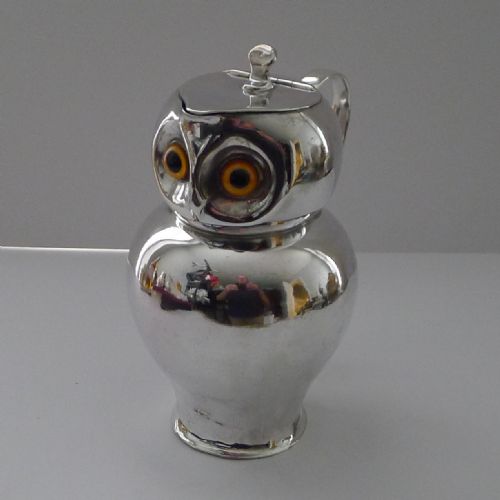
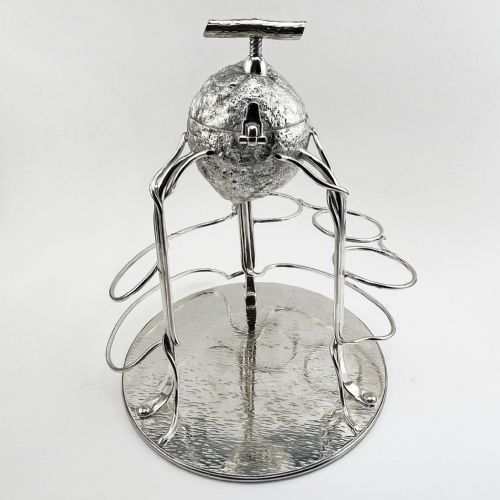
Components such as glass eyes in animal jugs and detailed wirework stands require specialised soldering and casting techniques. The plating layer covers nickel silver or standard metal substrates to achieve a bright reflective surface.
Silver Plated Novelty Retail Price Guide 2026
Typical asking prices for silver plated novelty among the pieces listed under this phrase on Sellingantiques today, from the lower quarter to the upper quarter. They describe what is for sale here now, not the wider market.
A Victorian table gains instant character when a miniature silver plated owl stares back at diners from the mustard pot.
Judging quality in novelty silver
Quality rests upon the crispness of the casting and the ingenuity of the mechanical design. Better pieces conceal functional hinges and openings within the natural lines of the animal or object.
Makers known for high output, such as recognised retailers and silversmiths, achieved greater detail in feathers, fur, and mechanical parts. The weight of the metal and the clarity of any cut glass inserts distinguish standard production from superior work.
PH Vogel·Hukin & Heath·Asprey & Co·Valenti·Mappin & Webb
The Silver Plated Novelty Glossary
- Silver Plate
- A thin layer of silver bonded to a base metal substrate such as nickel silver. This technique allowed manufacturers to produce elaborate hollowware at a lower cost than solid silver.
- Cruet Set
- A collection of small bottles or jars for holding condiments such as salt, pepper, oil, and vinegar. Novelty versions house these vessels within architectural or animal forms.
- Spoon Warmer
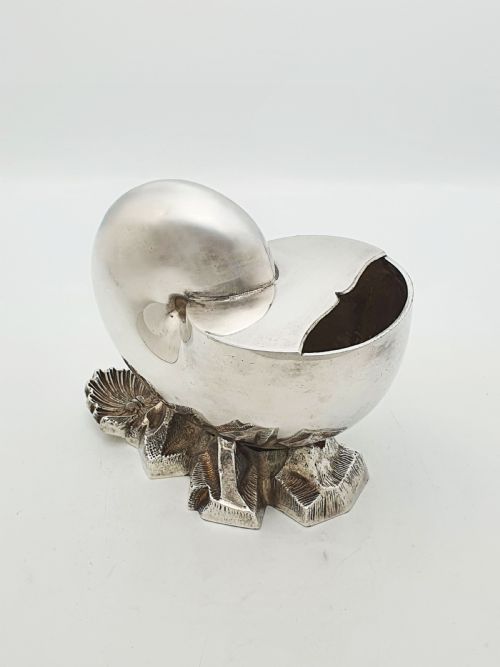
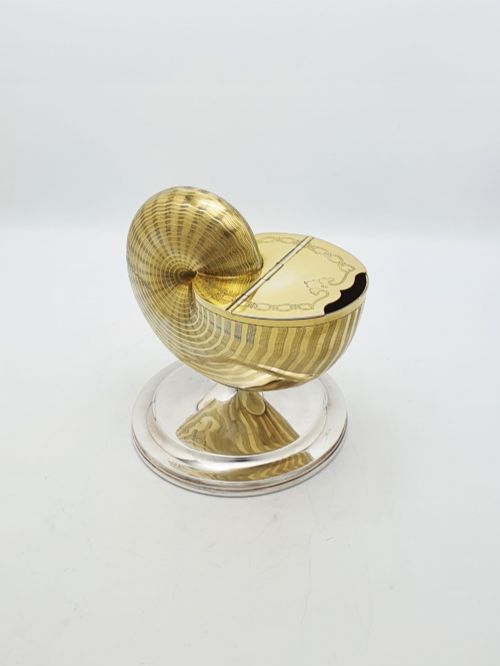
- A Victorian receptacle filled with hot water to warm spoons before serving soup or dessert. They frequently took fantastical shapes like shells or animal heads.
- Vide Poche
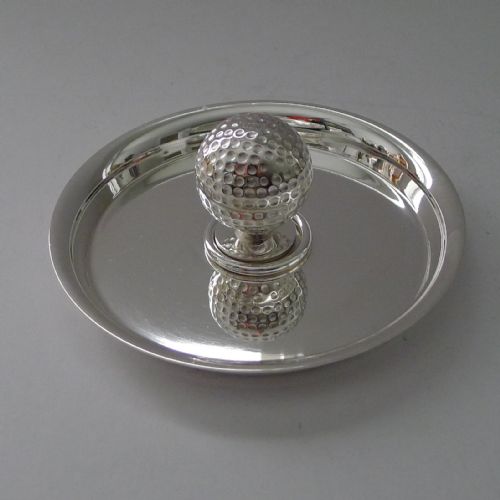
- A small tray or dish intended for emptying pockets of coins and keys upon entering a room. French for empty pocket.
- Spirit Barrel
- A small container mounted on a stand or carriage for dispensing liquor at the table. They often feature spigots and wooden stave details rendered in metal.
Silver Plated Novelty: Frequently Asked Questions
What is a silver plated novelty?
These are functional household items shaped to resemble animals, vehicles, plants, or everyday objects. They combine amusement with utility for dining and entertaining.
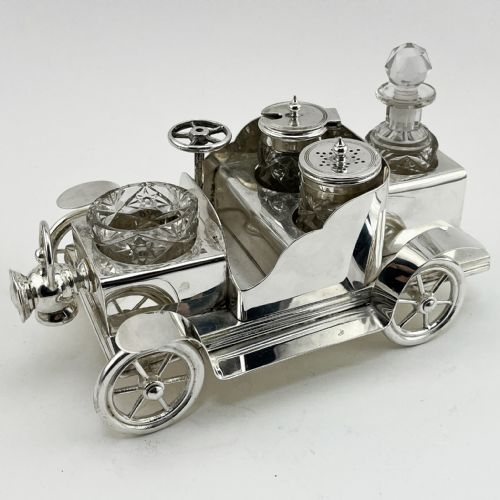
Examples include cocktail shakers shaped like bullets or milk churns, and cruet sets built like vintage cars.
How were novelty cruet sets used?
Hosts placed them on the dining table to hold seasonings within reach of guests. The unusual shapes served as conversation pieces during formal meals.
Bottles held mustard, pepper, and vinegar inside sculptural carts or animal figures.
How do I date a silver plated piece?
Dating relies on stylistic clues, registry marks, and the manufacturing materials. Victorian pieces often use heavy oak or walnut alongside silver plate.
Later mid-century items adopt cleaner lines, while Art Deco pieces show geometric influences from the 1920s and 1930s.
Are these items suitable for daily use?
Many pieces retain their functional capacity for serving drinks or holding condiments today. Gentle hand washing preserves the underlying silver plate layer.
Items with glass inserts require care to avoid thermal shock or chipping.