



Silver Plated Lidded Dish
A silver plated lidded dish brings practical elegance to the dining table, offering a polished vessel for serving meals with historic charm.
Silver Plated Lidded Dish
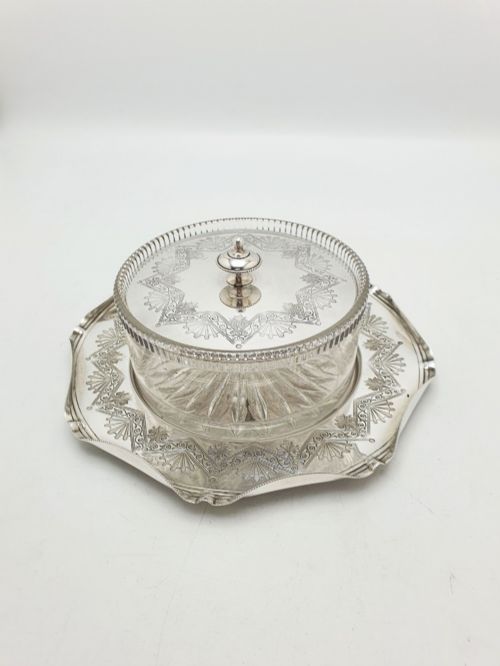
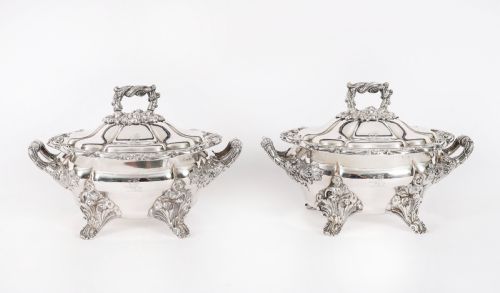
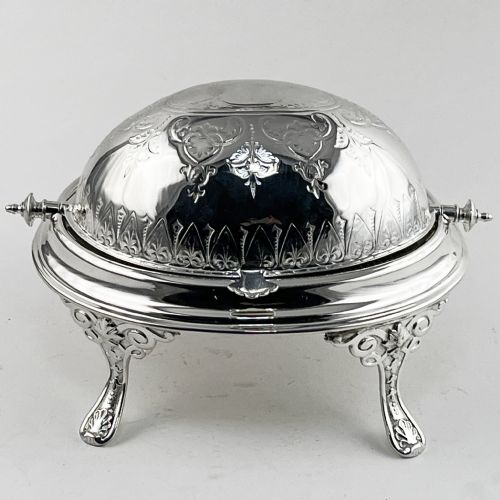
A silver plated lidded dish serves various dining and entertaining roles, appearing on this page in forms such as entree dishes, sauce tureens, breakfast warmers, and butter dishes. These items date from the Georgian era through the Victorian and Edwardian periods up to the Art Deco years, reflecting shifts in formal dining customs.
Entree dishes and sauce tureens dominate the selection, often found in matched pairs for serving vegetables, meats, or sauces. Specialised pieces like revolving breakfast dishes, toasted cheese dishes, and butter dishes with glass liners also feature prominently across the inventory.
How they were made
Makers utilised base metals such as copper, nickel silver, and electroplated nickel silver as foundations before applying silver or utilising Old Sheffield Plate techniques. Old Sheffield Plate involves fusing a thin sheet of silver onto a thicker copper core, whereas later pieces rely on electroplating to bond silver to metals like EPNS and nickel silver.
Constructed forms frequently incorporate cut glass inserts, particularly in butter and preserve dishes, adding textural contrast to the reflective metallic surfaces. Details such as applied crests, decorative handles, and fitted lids demonstrate traditional silversmithing and plating methods from the nineteenth and early twentieth centuries.
What varies in quality
The standard of execution depends heavily on the crispness of applied ornamentation, the integrity of the underlying base metal, and the thickness of the silver coating. Pieces retaining substantial plating without excessive base metal exposure through wear demonstrate superior original craftsmanship.
Makership influences valuation significantly, with items bearing recognised marks from established firms commanding particular attention for their balanced proportions, robust hinges, and careful detailing on handles and borders.
Hamilton and Inches·Mappin and Webb·Daniel and Arter·Walker and Hall·Elkington·Cresswick·Christofle
The Silver Plated Lidded Dish Glossary
- Old Sheffield Plate
- A composite material made by fusing a thin layer of silver to a copper base, prevalent in pieces produced before the invention of electroplating. It often reveals faint traces of copper along edges where the silver has worn thin over time.
- Electroplated Nickel Silver
- A base alloy of copper, nickel, and zinc coated with a layer of pure silver through an electrical process. This method largely replaced older fusing techniques during the nineteenth century.
- Entree Dish
- A covered serving vessel designed for presenting the main course or side dishes at formal meals. These often feature removable handles that allow the base to function as two separate open dishes.
- Revolving Breakfast Dish
- A specialised lidded container with a roll-over or rotating semi-circular dome mechanism. It kept hot food warm on the sideboard during extended Victorian and Edwardian morning meals.
- Tureen
- A deep, bowl-shaped serving vessel equipped with a lid and frequently designed with two handles. They appear in various sizes for serving soups, vegetables, or sauces.
Silver Plated Lidded Dish: Frequently Asked Questions
What are silver plated lidded dishes used for?
These covered vessels served to keep food warm and presentable on the dining table or sideboard during formal meals. They held everything from butter and cheese to hot entrees, sauces, and soups.
Their lidded design helped retain heat and protected food until the host or servant served guests. Today, they function as decorative serving pieces or display items in traditional dining rooms.
How do I clean a silver plated lidded dish?
Clean these items using a gentle, non-abrasive silver polish applied with a soft cloth to protect the thin metallic coating. Avoid harsh scrubbing or chemical dips that can strip the plating from the underlying copper or nickel silver.
Wash glass liners separately in warm soapy water and dry all components thoroughly to prevent tarnishing and moisture damage. Regular dusting helps minimise the need for heavy polishing.
How can I tell Old Sheffield Plate from later electroplate?
Old Sheffield Plate pieces often show subtle hints of copper showing through along high points and sharp edges where the fused silver layer has worn away. This results from the traditional manufacturing method of fusing silver sheets onto copper.
Electroplated items, marked with abbreviations like EPNS, display a more uniform silver layer that tends to wear down to a grey nickel base rather than warm copper.
Are lidded dishes safe for food use?
Many antique silver plated dishes remain suitable for serving food, provided the interior plating is largely intact and free from heavy corrosion. Pieces used for acidic foods require careful cleaning before and after use.
Buyers intending daily culinary use should inspect the interior surfaces to ensure the base metal remains adequately covered by the protective silver layer.