






Silver Plated Hot Water Plate
A silver plated hot water plate brings formal dining history to your table, offering the warmth and gravitas of Georgian and Victorian hosting.
Silver Plated Hot Water Plate
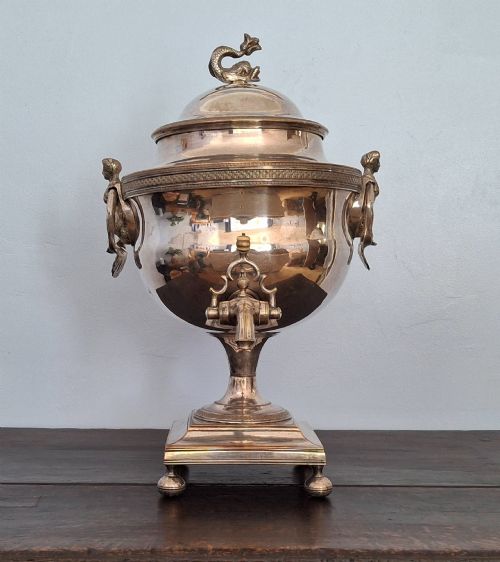
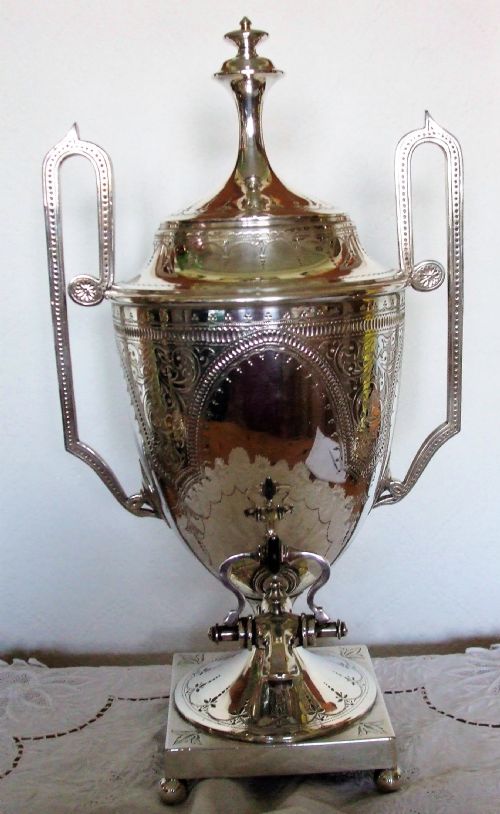
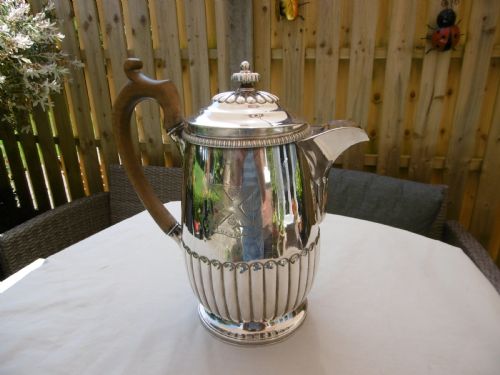
A silver plated hot water plate is a specialised vessel designed to keep food warm at the table through the use of heated water compartments. The selections here encompass warming dishes and related serveware from the eighteenth century through the Edwardian period, alongside related vessels like tea urns and coffee pots.
Buyers will most frequently encounter Georgian and Victorian examples utilising Old Sheffield Plate or later silver plate over base metals. These forms reflect the changing domestic habits of dining rooms across the nineteenth and early twentieth centuries.
How they were made
Old Sheffield Plate involves fusing a thin sheet of silver to a copper core, a technique visible in eighteenth and early nineteenth-century warming dishes. Later pieces employ modern electroplating methods over metal substrates like nickel silver.
Construction frequently incorporates cast decorative mounts, handles utilising wood, ebony, or bone, and fitted taps or burners on related hollowware.
Silver Plated Hot Water Plate Retail Price Guide 2026
Typical asking prices for silver plated hot water plate among the pieces listed under this phrase on Sellingantiques today, from the lower quarter to the upper quarter. They describe what is for sale here now, not the wider market.
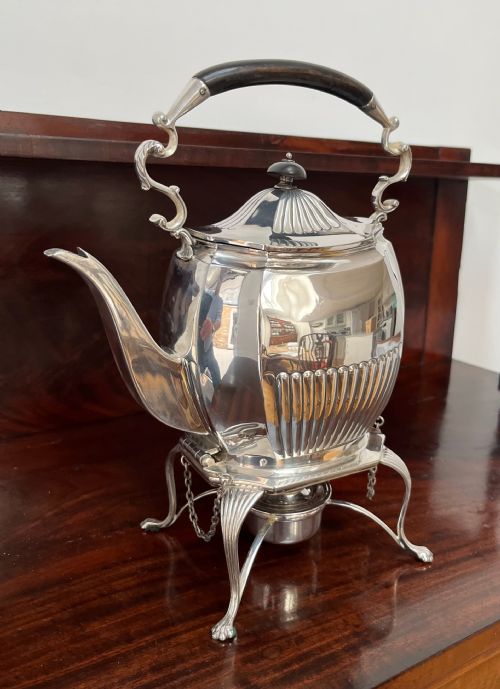
Many spirit kettles retain tiny original snuffers for extinguishing the burner flame, surviving centuries of tea service intact.
What varies in quality
The distinction between standard production and top-tier pieces lies in the crispness of chased decoration and the integrity of the silver fusion over the base metal. Maker attribution to known workshops also elevates a piece considerably.
Heavier gauge metal, well-preserved crests, and original matching burners or stands distinguish superior examples from ordinary utilitarian vessels.
Walker and Hall·Matthew Boulton·John Hoyland·Boardman Glossop and Co·Frederik Ellis Tim and Co
The Silver Plated Hot Water Plate Glossary
- Old Sheffield Plate
- An early method of fusing silver to copper before electroplating became common. This technique produced distinct edge lines where the underlying copper shows through.
- Silver Plate
- A thin layer of silver applied over a base metal such as copper or nickel silver. It provides the appearance of solid silver at a lower weight and cost.
- Samovar
- A large heated metal container traditionally used to boil and heat water for tea. These vessels often feature central internal heating tubes and dispensing taps.
- Spirit Kettle
- A water kettle mounted on a metal stand equipped with a small spirit burner underneath. They were utilised for keeping water hot at the tea table.
- Warming Dish
- A specialised serving dish featuring a double wall or compartment for hot water. This design kept food warm during lengthy formal meals.
Silver Plated Hot Water Plate: Frequently Asked Questions
How did a hot water plate work?
These pieces use a double-walled construction or internal reservoir filled with hot water to keep food warm during service. The heat from the water transfers through the metal base to maintain serving temperatures.
Such vessels were filled before being brought to the dining table for formal meals.
What is Old Sheffield Plate?
Old Sheffield Plate is an early composite material made by fusing a thin layer of silver to a thick copper ingot. This method preceded nineteenth-century electroplating techniques.
Pieces made this way often reveal subtle traces of copper along edges and high points through decades of gentle polishing.
How do I care for silver plate?
Silver plate requires gentle cleaning with non-abrasive polishes formulated specifically for plated items. Aggressive scrubbing can wear through the thin silver layer to expose the base metal underneath.
Regular dusting and soft cloth drying after washing help preserve the surface finish over time.
Can I use these plates for dining?
While these warming dishes were originally intended for domestic dining service, many collectors now preserve them as display or decorative table items. Assessing the interior condition and lining is necessary if used for actual food service.
Historical wear patterns often suggest utilising them primarily for display or dry presentation.