




Silver Plated Corinthian Candlesticks
Silver plated corinthian candlesticks bring neoclassical dignity to a dining table or desk, combining columnar strength with polished reflective surfaces.
Silver Plated Corinthian Candlesticks
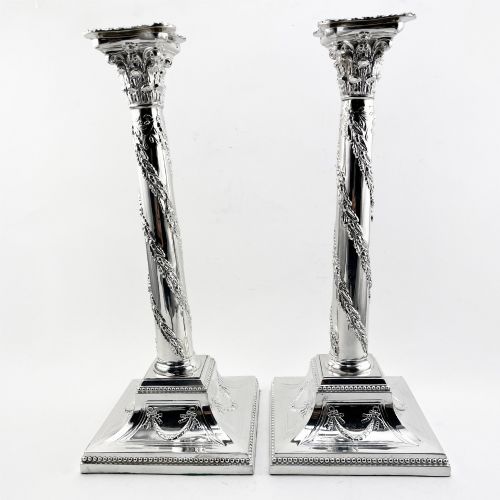
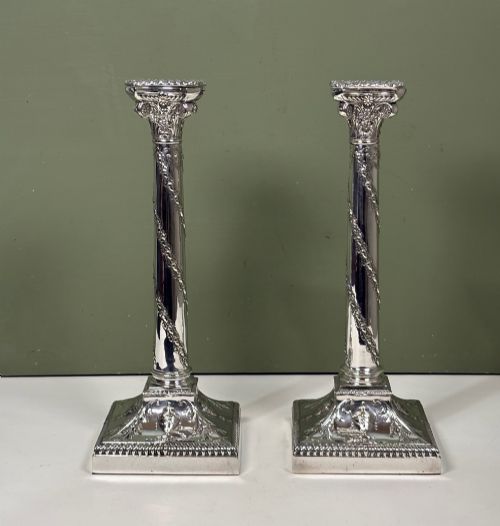
When you search for silver plated corinthian candlesticks, you encounter tall, architectural lighting pieces modelled on ancient Greek stone temples. These items appear across several decades, originating primarily in the Victorian and Edwardian eras alongside late eighteenth-century examples.
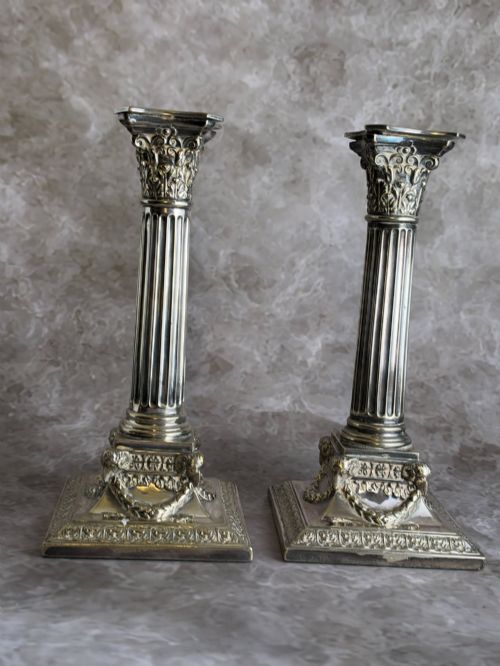
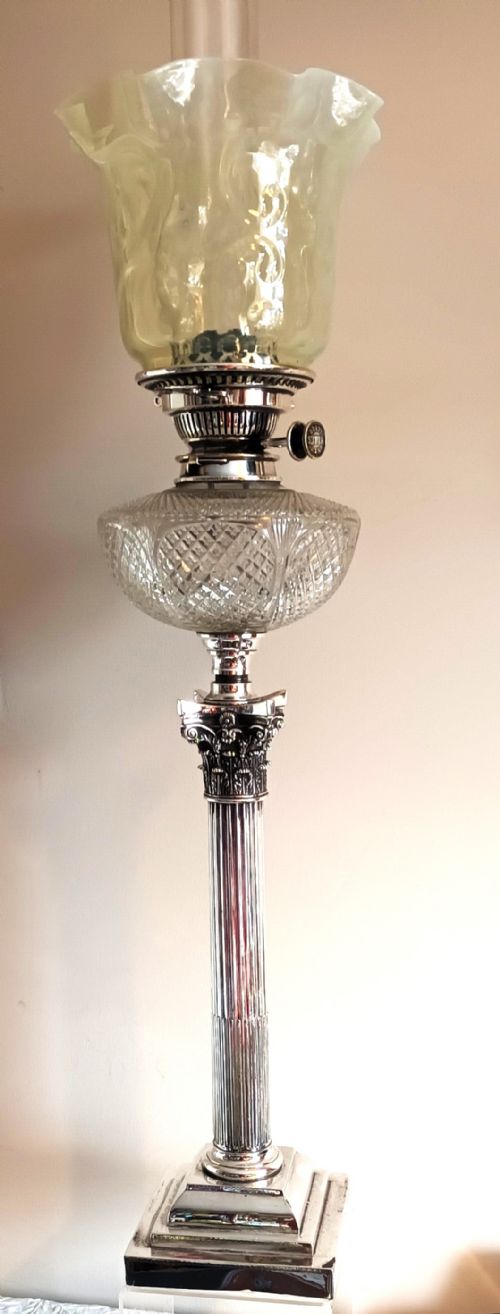
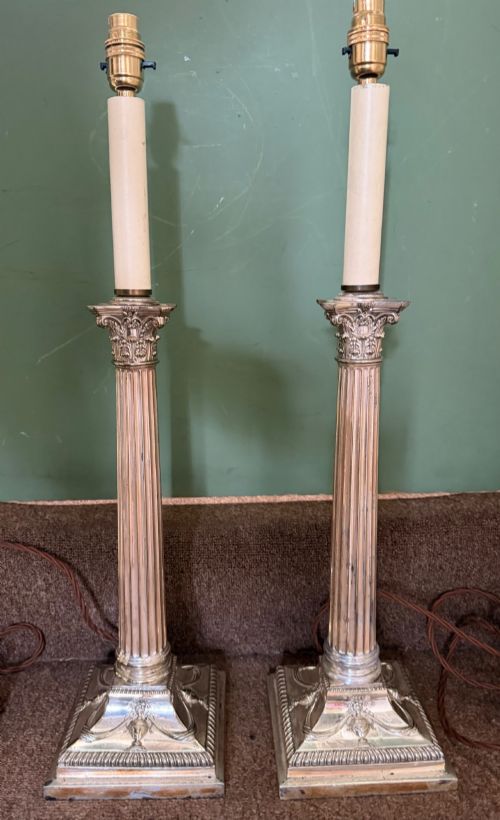
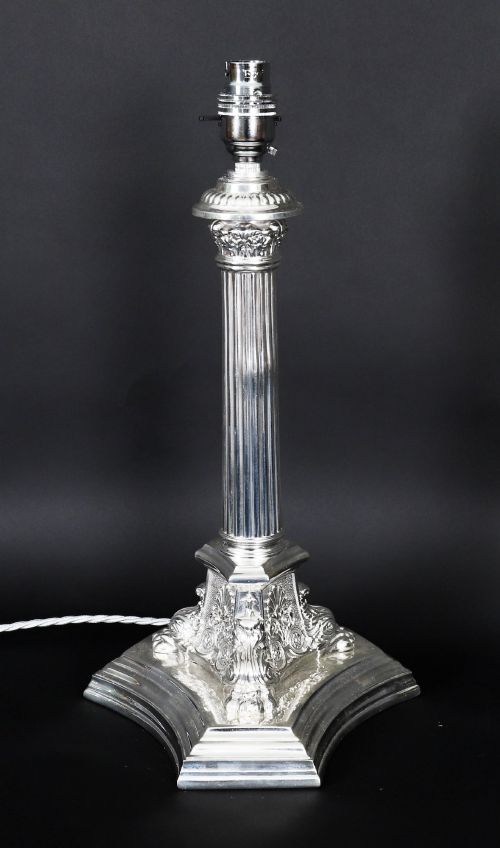
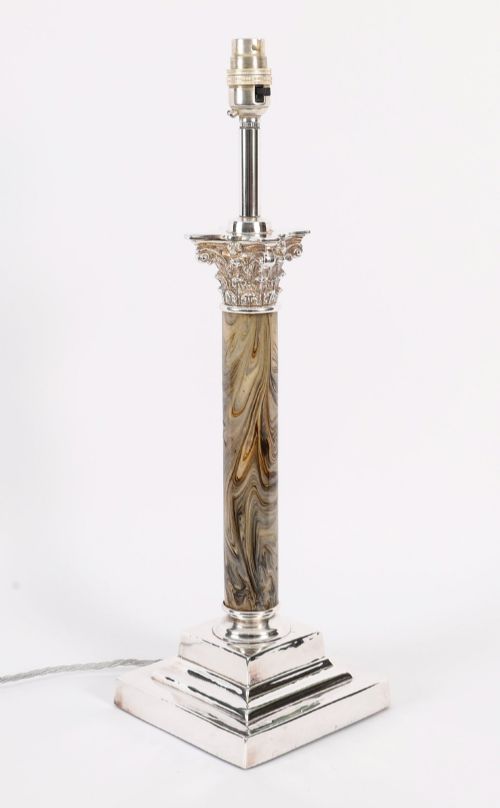
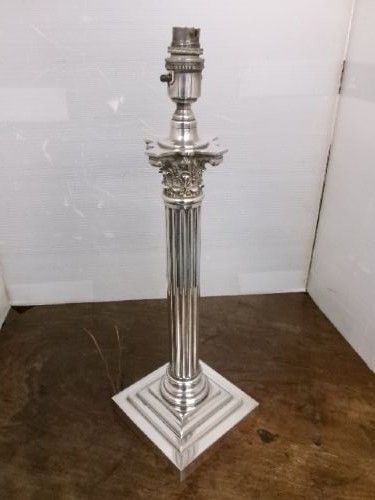
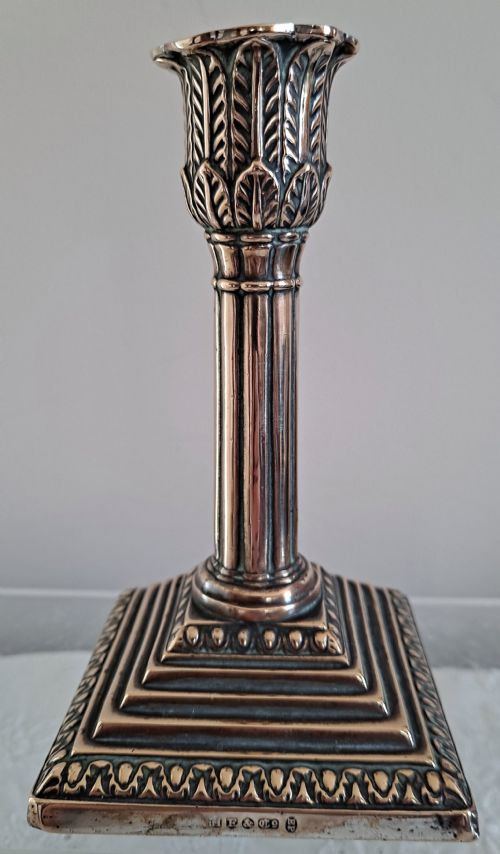
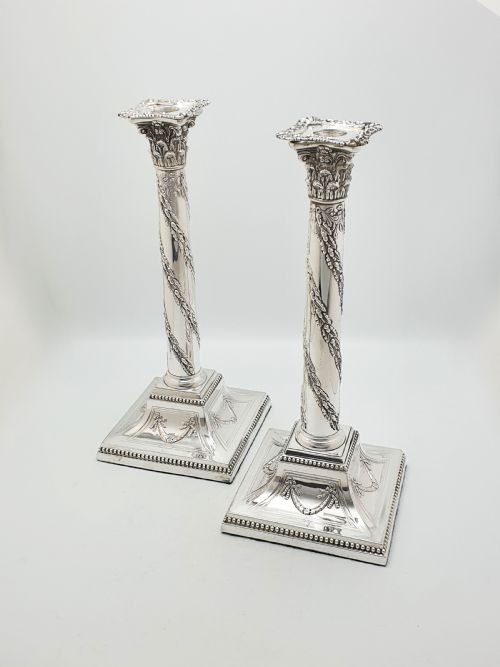
The form relies on a stepped square base rising to a fluted column, topped by a capital decorated with acanthus leaves. You meet pairs most frequently, though single desk pieces, larger table lamps, and multi-light candelabras also surface.
Originating largely from English workshops, these pieces adapt classic architectural proportions to domestic illumination. The silver plate covers a base metal core such as brass, copper, or nickel silver, creating the appearance of solid silver at a manageable weight.
How they were made
Manufacturers formed the structural elements using base metals like brass, copper, or nickel silver to provide necessary weight and rigidity. Craftsmen then applied silver plate over this substrate through early plating techniques or Old Sheffield methods.
Capitals and bases often incorporated cast components joined to drawn or rolled columns. Details such as acanthus leaves on the capitals and stepped square feet required skilled metalworking and chasing by hand.
Silver Plated Corinthian Candlesticks Retail Price Guide 2026
Typical asking prices for silver plated corinthian candlesticks among the pieces listed under this phrase on Sellingantiques today, from the lower quarter to the upper quarter. They describe what is for sale here now, not the wider market.
Listings feature items spanning from the late eighteenth century through the 1930s, incorporating brass, copper, onyx, and nickel silver beneath the silver plate.
What varies in quality
The crispness of the casting on the capital distinguishes superior examples from simpler ones. Sharp, deeply undercut acanthus leaves indicate careful tooling, whereas worn or soft ornamentation suggests secondary casting rounds.
Proportion and weight also dictate the grade of a piece. Substantial gauge metal prevents dents and gives the column a satisfying heft, while thinner plating layers reveal the underlying brass or copper as wear accumulates over generations.
Palmer and Co
The Silver Plated Corinthian Candlesticks Glossary
- Corinthian
- The most ornate of the ancient Greek architectural orders, characterised by bell-shaped capitals adorned with rows of acanthus leaves. This motif defines the top section of the column.
- Silver plate
- A thin layer of silver bonded or deposited onto a base metal substrate such as brass, copper, or nickel silver. This process provided the visual appeal of solid silver at a lower cost.
- Old Sheffield plate
- An early method of fusing a sheet of silver to a thicker copper ingot before rolling them together into sheets for fabrication. This technique produces a distinctive edge where the copper core shows subtly.
- Candelabra
- A branched lighting fixture holding multiple candles or lamp fittings on a single base. These share the same column and capital vocabulary as standard single candlesticks.
- Fluting
- Vertical semi-circular grooves cut into the shaft of a column. This decorative feature draws the eye upward along the height of the candlestick.
Silver Plated Corinthian Candlesticks: Frequently Asked Questions
How do I date silver plated corinthian candlesticks?
Dating relies on stylistic details, weight, and manufacturing methods visible at the seams and base. Earlier examples from the eighteenth century utilise Old Sheffield plate techniques, while Victorian and Edwardian pieces often display heavier cast components and machine-rolled columns.
Examining the underside and the construction of the capital provides further clues. Marked pieces or those with specific maker attributions help narrow the production window, though many standard production pieces rely purely on stylistic comparison.
Are these pieces solid silver?
These items use a base metal core of brass, copper, or nickel silver covered with a layer of silver plate. This construction method offered the rich appearance of solid silver while keeping the objects structurally stable and affordable for nineteenth-century households.
Over decades of polishing, some areas of the silver layer may wear thin, revealing the warmer tone of the underlying metal beneath. This characteristic confirms the plated nature of the object rather than solid construction.
How should I clean silver plated candlesticks?
Gentle maintenance using a specialised silver cloth prevents the buildup of tarnish while protecting the underlying plate. Avoid harsh abrasive dips that strip away the remaining silver layer, particularly on high points like the acanthus leaves.
Regular, light dusting preserves the natural patina accumulated over the Victorian and Edwardian periods. Store them away from direct heat sources to keep the metal and any internal weighting secure.