

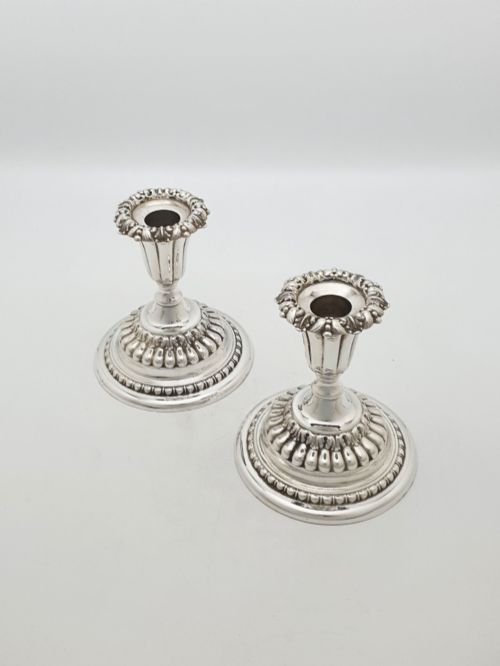
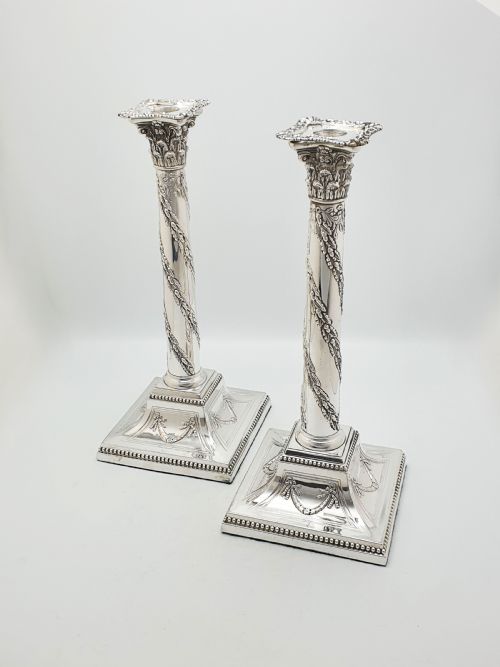
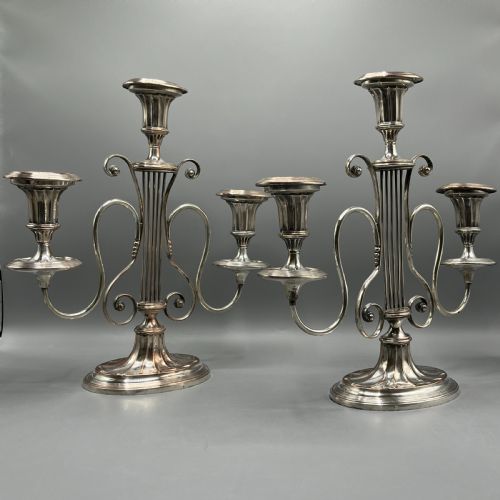


Silver Plated Candleholders
Silver plated candleholders bring genuine period elegance to a room, offering the visual weight of solid metal without the immense cost.
What silver plated candleholders are
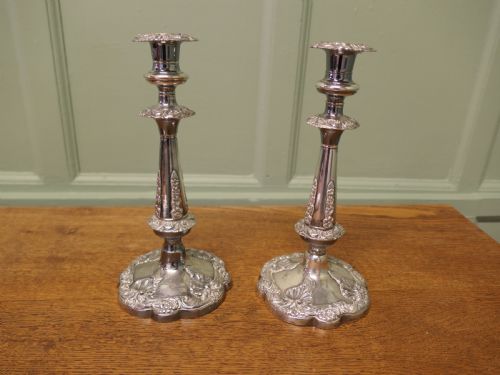
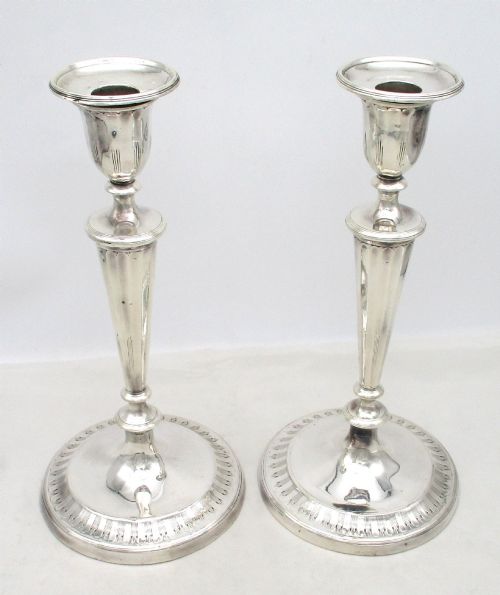
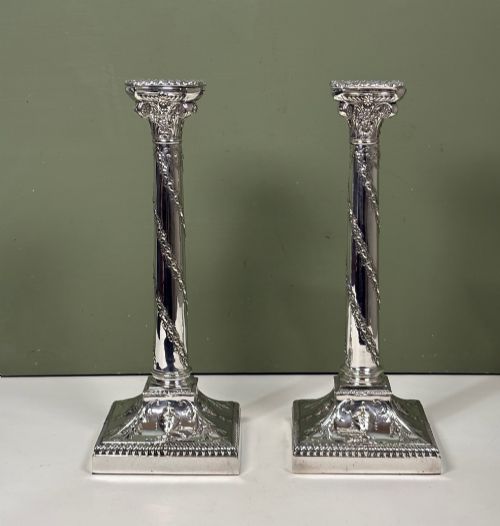
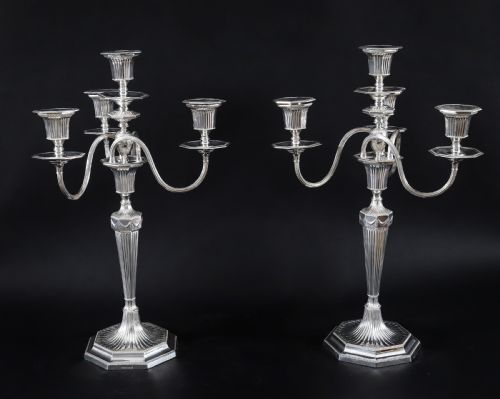
Silver plated candleholders span multiple eras, appearing in Georgian, Victorian, and Edwardian styles. Buyers searching for silver plated candleholders encounter pairs of candlesticks and multi-light candelabra formed from metal and copper bases.
The pieces listed on this page predominantly take the form of paired candlesticks alongside four-light candelabra. Originating from the nineteenth century and earlier, these items reflect the distinct domestic lighting needs of their respective periods.
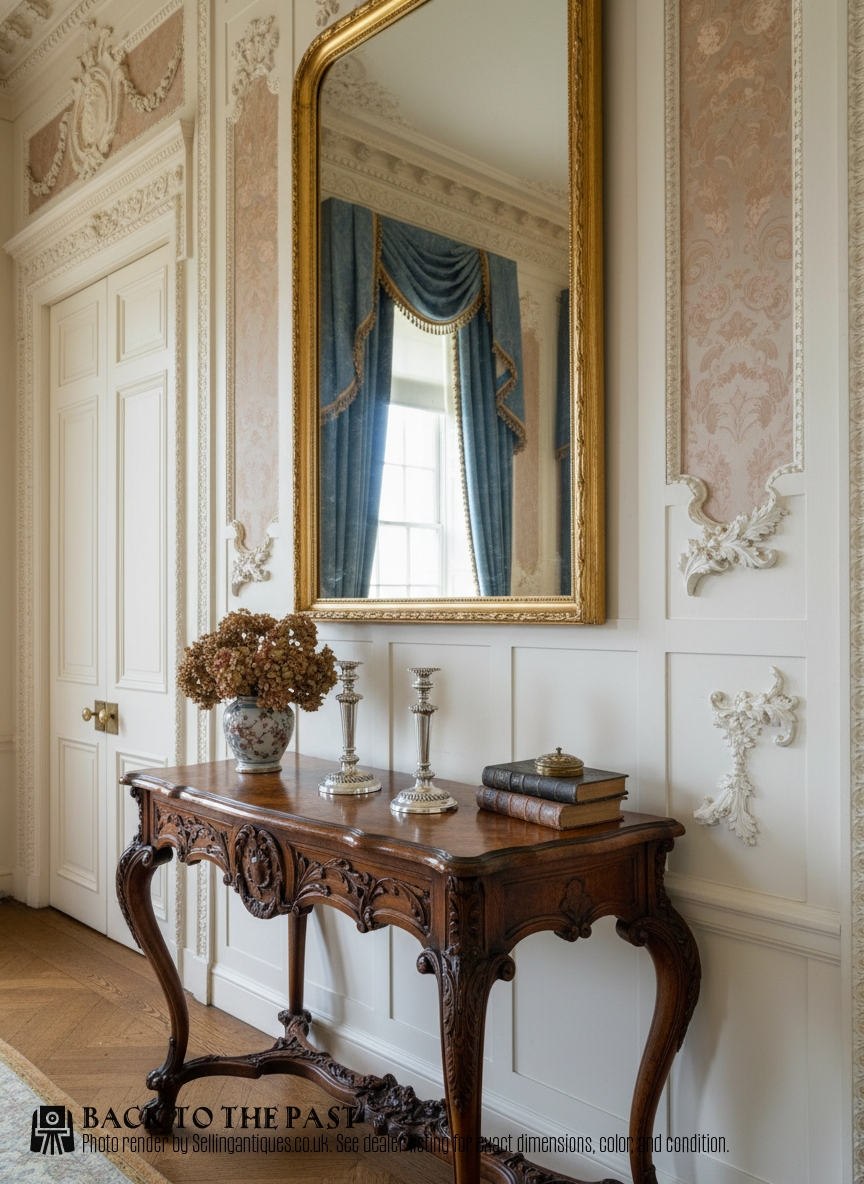
How they were made
Makers utilised a base of metal or copper beneath a layer of silver plate to achieve the lustre of solid silver. Manufacturing techniques from the Georgian era onward relied on fusing or plating silver onto baser metals.
Sheffield plating methods and standard silver plating processes allowed workshops to shape elaborate candlesticks and candelabra. These techniques ensured structural stability while maintaining a bright metallic exterior.
Retail Price Guide 2026
Typical UK retail prices for silver plated candleholders, calculated from the Sellingantiques database of over a million retail prices indexed since 2003. This retail price guide relies exclusively on Sellingantiques data; no external sources or auction records are used, so the figures do not describe the wider market.
Current listings feature items spanning the Georgian, Victorian, and Edwardian periods, constructed from copper, metal, and silver plate.
What varies in quality
Quality separates simple utility pieces from finer examples through the crispness of the casting and the preservation of the silver layer. Superior items display sharp detailing in their period motifs and balanced proportions across the pair.
The integrity of the underlying copper or metal base also dictates overall standard, as heavier gauge construction provides better longevity. Finer examples retain their original plating balance without excessive thinning over prominent decorative edges.
Hawksworth Eyre
The Silver Plated Candleholders Glossary
- Sheffield plate
- An early method of fusing a thin sheet of silver to a thicker copper ingot before shaping. This technique creates a distinct material sandwich visible where wear occurs.
- Candelabra
- A branched candlestick holding multiple lights on a single base. These larger table centrepieces often feature removable branches.
- Georgian
- A design period spanning the eighteenth and early nineteenth centuries. Pieces from this era show classical proportions and restrained ornament.
- Victorian
- A nineteenth century stylistic period characterised by heavier ornamentation and varied historical revivals. Candlesticks from this time often exhibit robust proportions.
Frequently Asked Questions
How do I clean silver plated candleholders?
Clean these items gently using a soft cloth and a specialised silver polish formulated for plated surfaces. Avoid harsh abrasives that can wear away the thin silver layer over the underlying metal.
Regular dusting with a dry microfiber cloth helps maintain the shine between deeper cleaning sessions. Store them away from damp environments to prevent tarnishing.
Are these candleholders solid silver?
The pieces on this page utilise a base of metal or copper underneath a layer of silver. This construction method provides durability and weight similar to solid silver items.
Inspecting the edges can sometimes reveal the underlying copper showing through where the plating has thinned over decades of use.
Can I use standard candles in them?
Most period candlesticks accommodate standard taper candles, though slight variations in socket diameters can occur across different eras. Measuring the nozzle ensures a secure fit before lighting.
Using dripless candles helps protect the metal surface from wax buildup which can be difficult to remove safely from textured plating.
How do I tell Victorian from Georgian styles?
Georgian pieces generally display lighter, neoclassical forms with delicate lines and restrained decorative motifs. They reflect an aesthetic focused on classical symmetry and balance.
Victorian designs tend to feature heavier proportions with more elaborate ornamentation reflecting nineteenth century revivals. The casting work on Victorian examples is often bolder and more robust.