

Silver Plated Base
These silver plated base pieces bring the shine of plated metal to lighting and dining from the Victorian and Edwardian eras.
Silver Plated Base
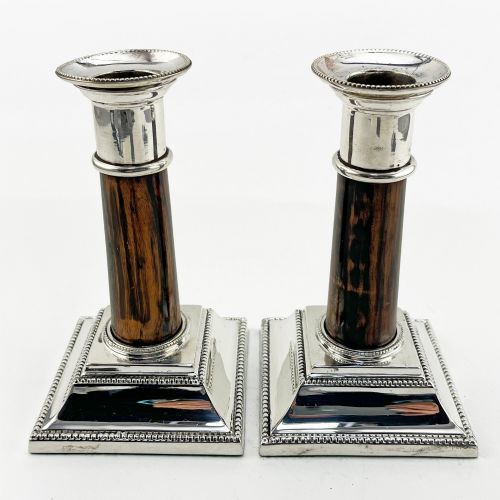
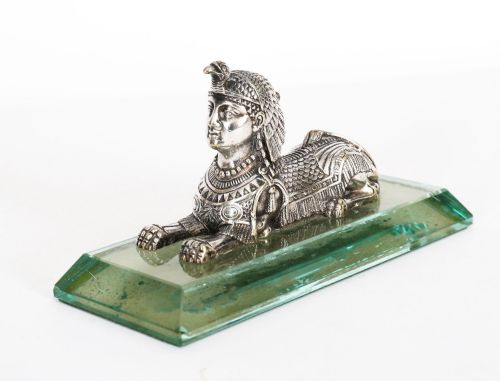
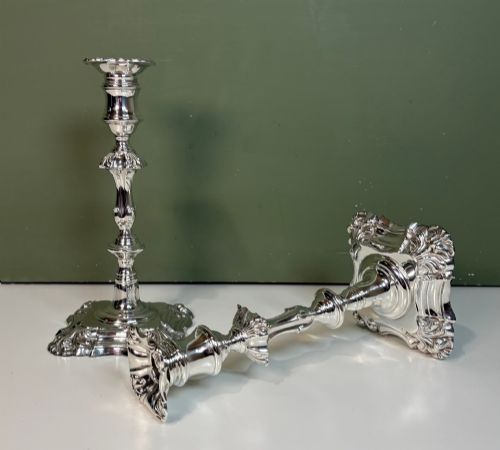
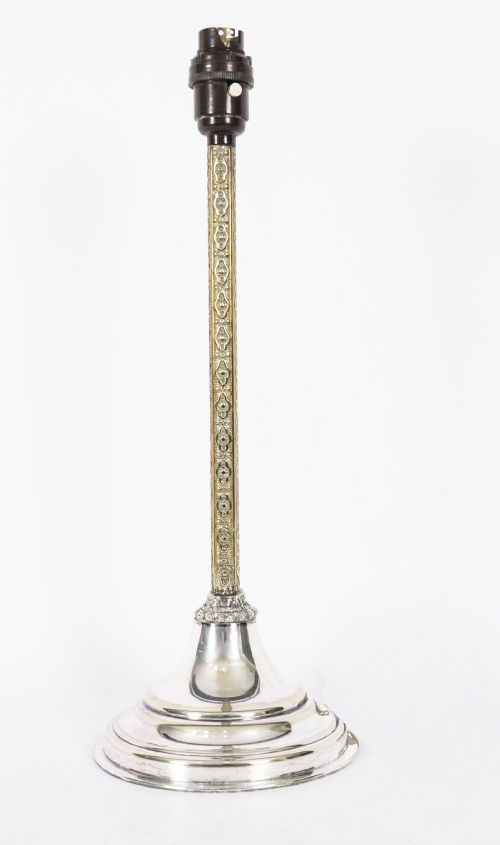
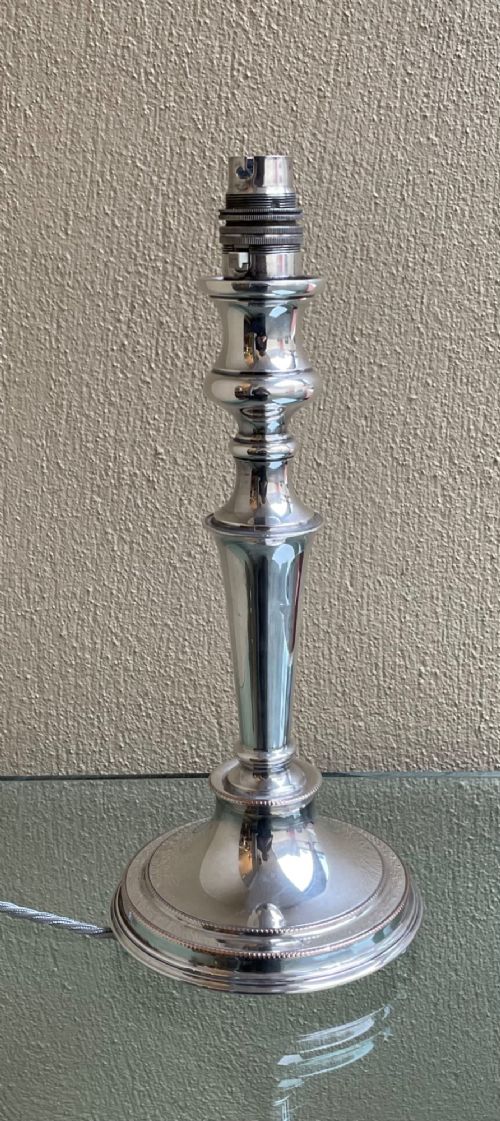
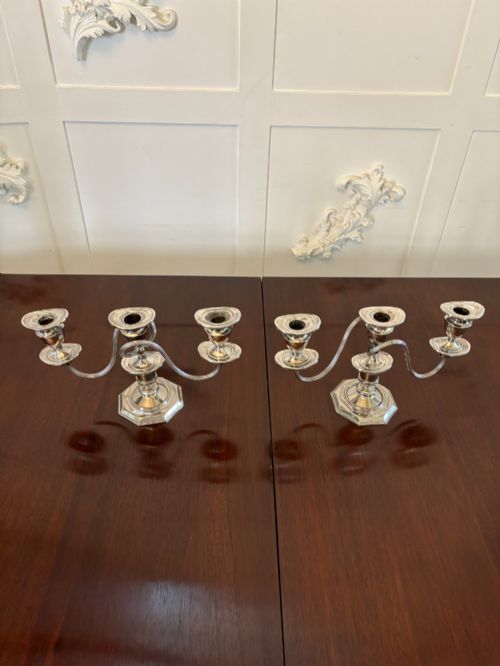
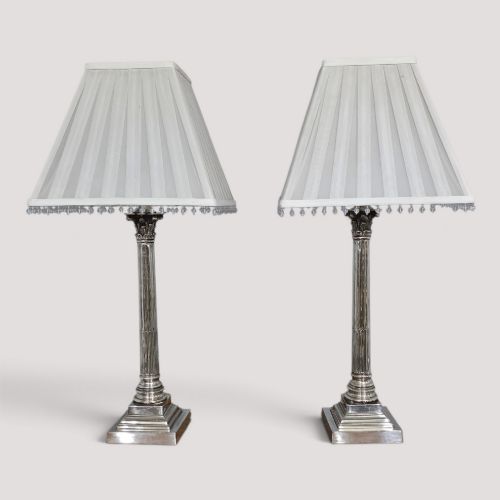
A silver plated base sits beneath table lamps, floor lamps, candlesticks, and candelabras to give the appearance of solid silver without the weight or cost. The selection here leans heavily on nineteenth century and early twentieth century examples, including Victorian, Edwardian, and George V periods.
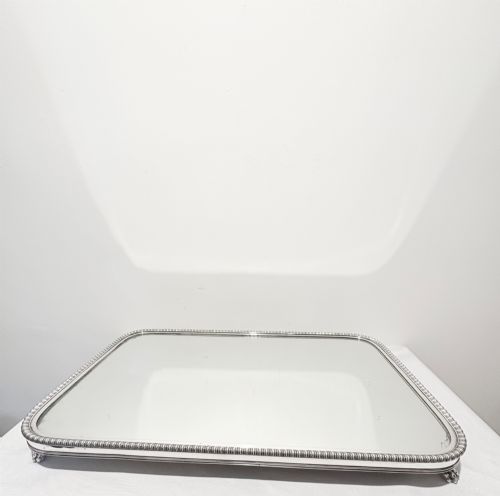
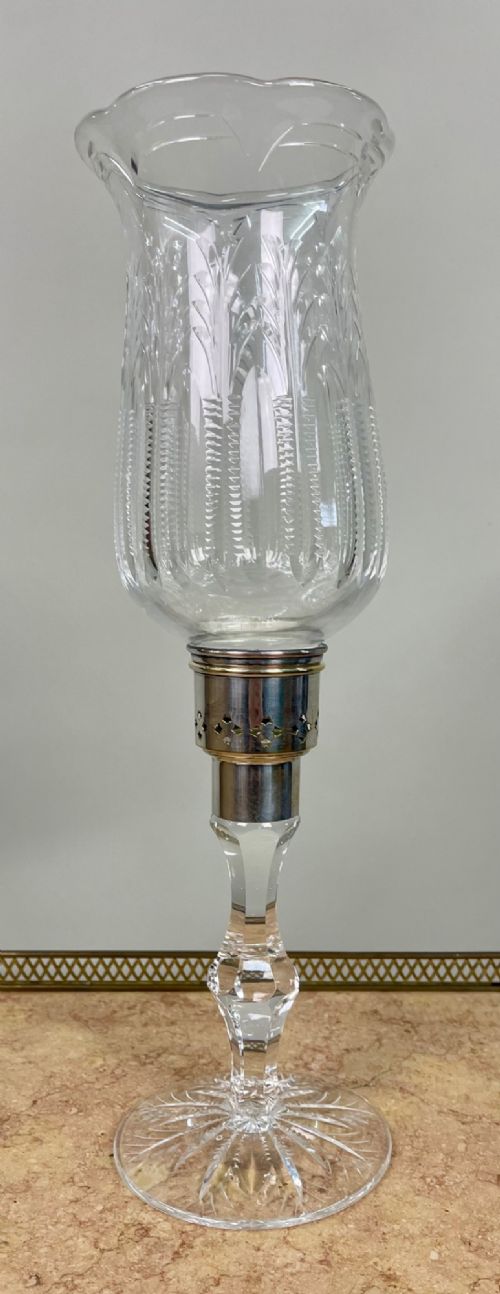
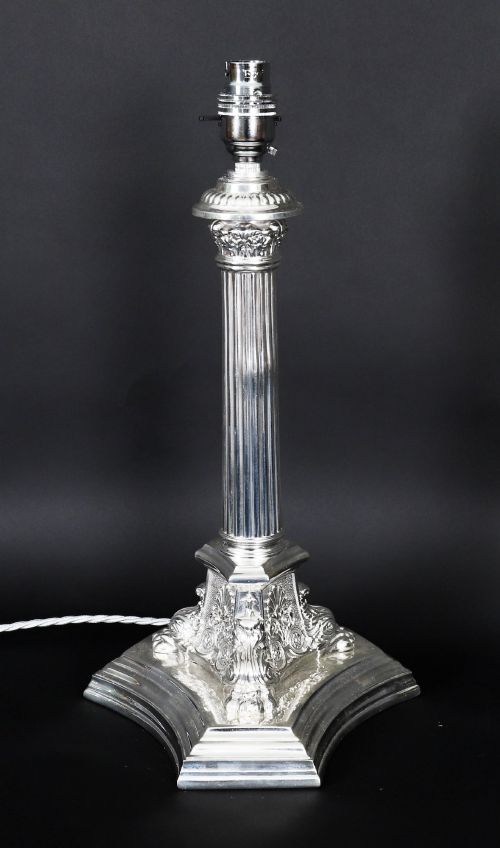
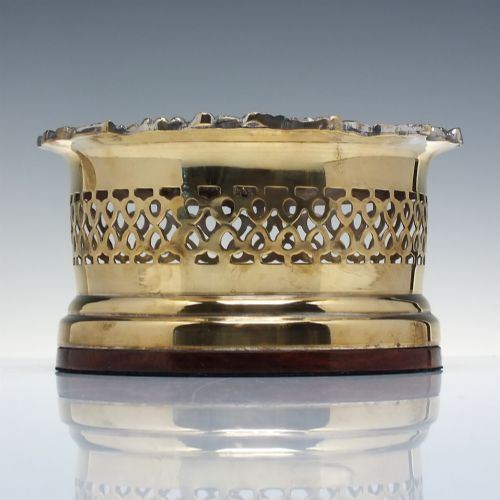
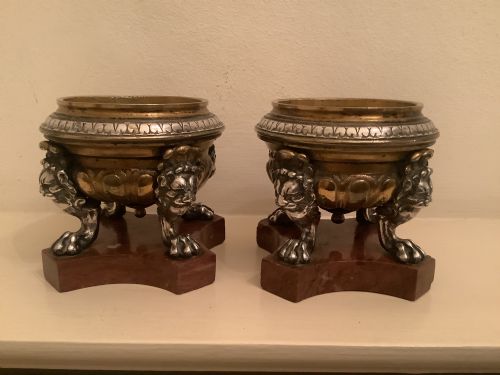
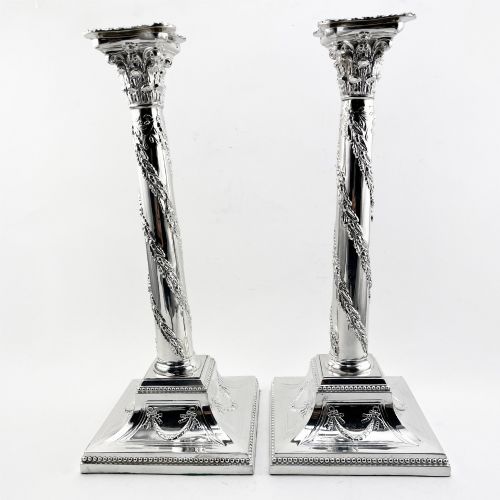
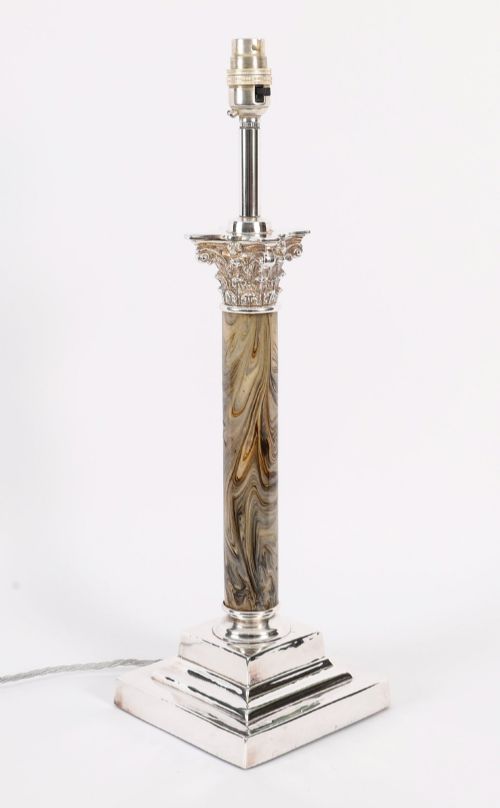
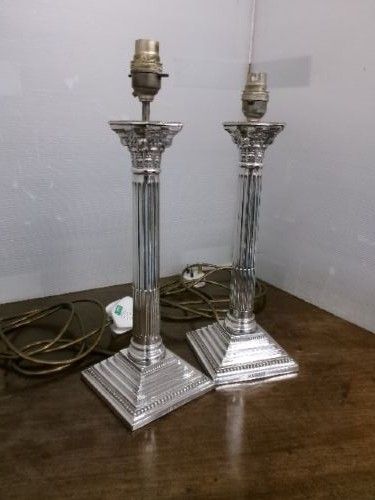
Many of these objects take the form of tall architectural columns, particularly Corinthian styles with detailed capitals and stepped square feet. Alongside lighting, the category includes wine coasters, tazzas, trumpet vases, and centrepieces resting on heavy metal foundations.
Materials and construction
Makers built these pieces using base metals like copper, brass, or white metal, then applied a layer of silver through electroplating or the older Old Sheffield plating technique. Some examples combine the metal work with contrasting materials such as mahogany, glass, fabric, or mirrored glass panels.
Casting and turning formed the structural components of columns and candlesticks, while mounts and ornamentation were soldered or screwed into place. Heavier weighted elements, including lion's paw feet and stepped bases, provided the stability necessary to hold tall lamps and candles.
Silver Plated Base Retail Price Guide 2026
Typical asking prices for silver plated base among the pieces listed under this phrase on Sellingantiques today, from the lower quarter to the upper quarter. They describe what is for sale here now, not the wider market.
Materials across the selection include silver plate, brass, metal, glass, wood, fabric, and solid silver.
Distinctions in craftsmanship
The thickness of the original metal application and the crispness of the cast ornamentation define the upper tier of these pieces. Fine examples retain deep relief in stylistic details like acanthus leaves on capitals and precise fluting along columns.
Maker marks stamped into the metal distinguish workshop production from unbranded output, whilst the integrity of the underlying core metal determines how well the structure withstands wear over decades of use.
Mappin & Webb's·Fox & Grapes·Goldsmiths and Silversmiths Company·Harrison Brothers & Howson
The Silver Plated Base Glossary
- EPNS
- Electro Plated Nickel Silver. This abbreviation denotes a base of nickel alloy coated with a thin layer of silver.
- Old Sheffield Plated
- A method of fusing a thin sheet of silver to a copper core before shaping the piece. This technique predates modern electroplating.
- Corinthian Capital
- The ornate, bell-shaped top of a column decorated with carved acanthus leaves. It appears frequently on nineteenth century candlesticks and lamp bases.
- Tazza
- A shallow saucer or bowl raised on a slender stem and foot. These items function as decorative serving pieces or display stands.
- Peg Oil Lamp
- A font designed to drop into a separate candlestick or base. The font holds the oil and burner above the main support.
Silver Plated Base: Frequently Asked Questions
How do I clean a silver plated base?
Use a soft cloth and a specialised silver polish designed for plated items. Avoid aggressive scrubbing that might wear through the thin silver layer to the base metal underneath.
Take care around weighted bottoms and joined seams where moisture can seep inside. Rinse gently and dry thoroughly with a lint-free cloth to maintain the shine.
What is the difference between EPNS and old Sheffield plate?
Old Sheffield plate involves fusing a layer of silver directly onto a copper ingot before rolling it into sheets, a process common before the mid-nineteenth century. Electroplating uses an electrical current to bond silver particles to a nickel or brass base metal.
Examining the edges can reveal a thin copper line on older fused pieces, whereas electroplated items generally show uniform silver coverage over a greyish nickel alloy.
Can antique lamps with silver plated bases be rewired?
Most antique lamps require modern electrical rewiring to meet current safety standards. Professional electricians can thread new cord through the hollow centre without damaging the historical metal structure.
Retaining the original switch or weighted base ensures the lamp maintains its period character while operating safely.
How do I date a silver plated base?
Maker marks, registry stamps, and stylistic cues like Neoclassical revival or Art Nouveau motifs provide the primary clues for dating. Victorian and Edwardian examples often feature specific column designs and hallmark stamps that trace back to particular decades.
Construction methods also help narrow the timeframe, as cast components and plating techniques evolved significantly between the eighteenth and twentieth centuries.