




Silver Plate Metalware
Silver plate metalware brings domestic display and service from past centuries into rooms today, offering durable metal objects shaped by traditional workshops.
Silver Plate Metalware
Silver plate metalware spans domestic vessels, tableware, and decorative items produced across several centuries. Buyers searching for silver plate metalware encounter items ranging from Georgian Old Sheffield plate to Victorian electroplated wares.
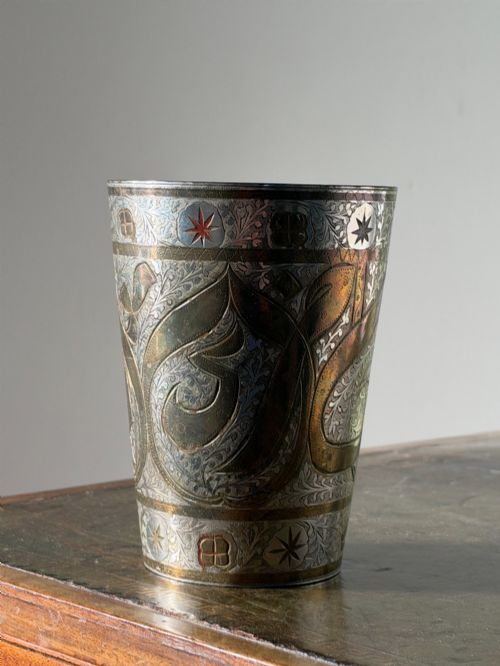
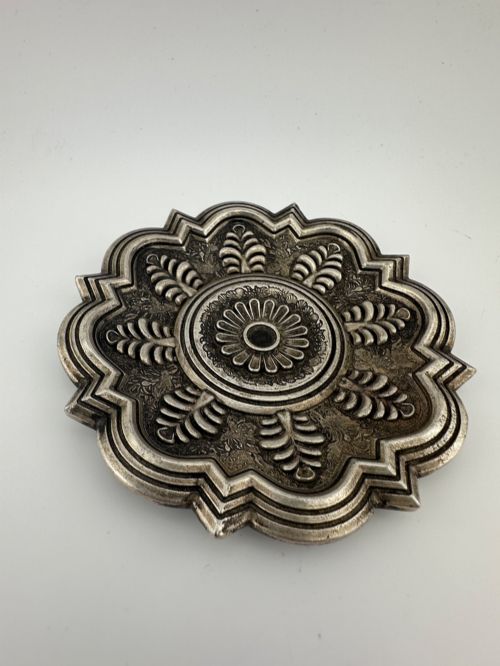
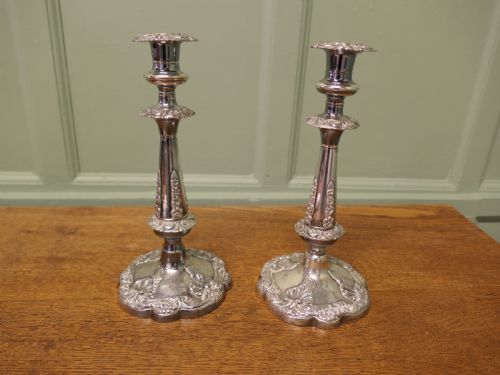
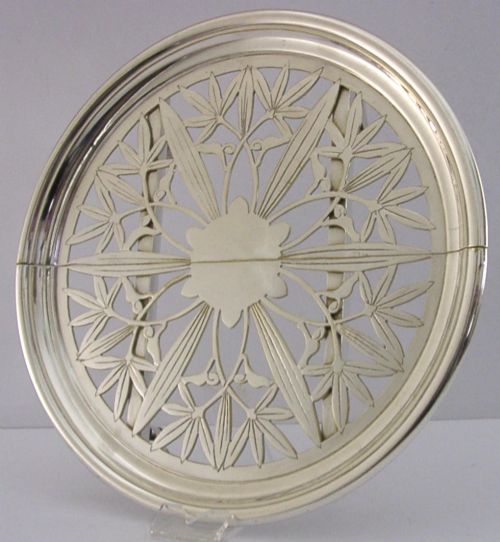
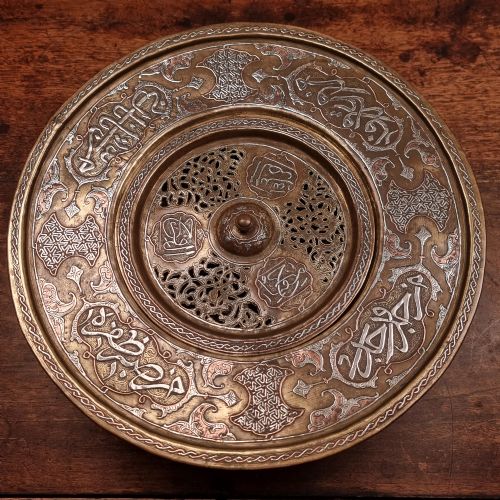
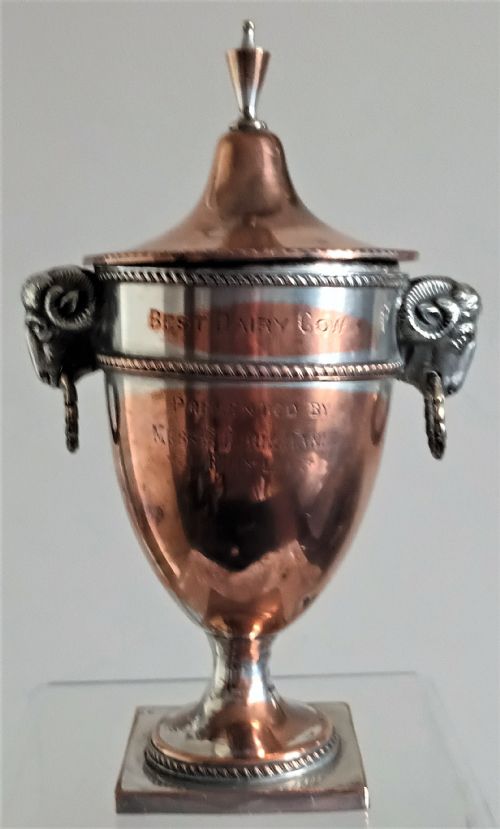
The selection here includes candlesticks, pitchers, jugs, decorative dishes, trivets, bowls, basins, mugs, and urns. Pieces derive from English, French, Middle Eastern, and Chinese sources, spanning periods from the seventeenth century through the Art Deco era.
Pewter, copper, brass, and white metal pieces appear alongside plated items, showing how diverse domestic metalwork remains. Domestic vessels like beer jugs, communion sets, and chamber sticks demonstrate the practical origins of these objects.
Materials and methods
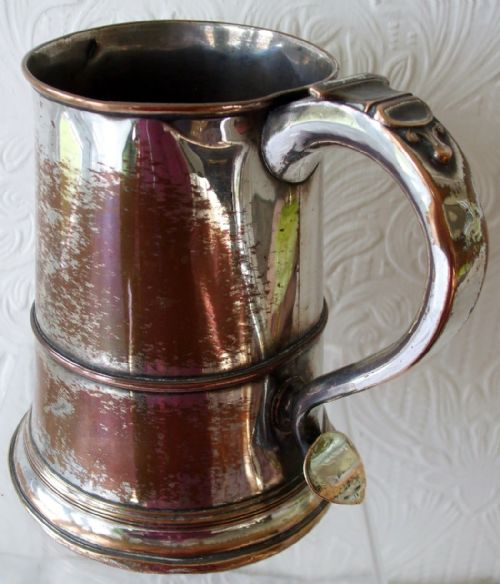
Old Sheffield plate involves fusing a thin layer of silver to a thicker copper base before shaping, a technique visible in eighteenth-century jugs and urns. Later Victorian pieces often utilise electroplating, depositing silver onto a base metal via electrical current.
Pewter vessels rely on tin alloys shaped by hammering or casting, seen in chargers and plates bearing maker marks. Copper and brass items incorporate chasing, patination, and silver inlay techniques found in Middle Eastern and Chinese export metalwork.
Silver Plate Metalware Retail Price Guide 2026
Typical asking prices for silver plate metalware among the pieces listed under this phrase on Sellingantiques today, from the lower quarter to the upper quarter. They describe what is for sale here now, not the wider market.
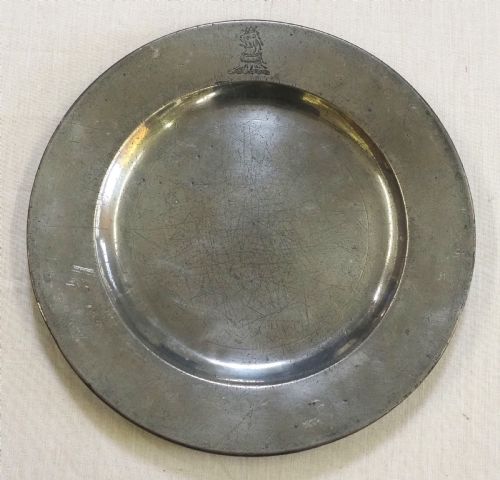
An eighteenth-century pewter plate includes a lion crest, proving that even dinnerware needed to look noble.
Markers of quality
The integrity of the plating layer defines silver plate metalware, where thin wear reveals the base copper beneath. Crisply cast details on mounts, handles, and borders separate standard production from superior workshops.
Maker marks and early punch stamps provide historical weight and confirm workshop origin. The depth of hand-engraved crests and the weight of the underlying metal structure determine the overall substance of each piece.
HENRY BOURNE·JAMES SPACKMAN·ELKINGTON MASON·THOMAS TEMPLEMAN·WMF
The Silver Plate Metalware Glossary
- Old Sheffield Plate
- A method of fusing silver sheet to a copper ingot before rolling into sheets. This technique predates nineteenth-century electroplating.
- Electrotype
- A replica or object formed through the electrolytic deposition of silver upon a mould. This process allowed Victorian makers to reproduce intricate historical metalwork.
- Charger
- A large ceremonial or service plate typically made of pewter or metal. These broad dishes frequently display maker touches or engraved crests.
- Argyle
- A vessel designed to keep gravy warm using an inner compartment for hot water. Georgian examples in Old Sheffield plate are particularly sought after.
- Communion Set
- Ecclesiastical metalware comprising flagons, chalices, and patens used in church services. These silver-plated or pewter assemblies often carry specific parish inscriptions.
Silver Plate Metalware: Frequently Asked Questions
What is Old Sheffield plate?
Old Sheffield plate is an early form of composite metal made by fusing a thin sheet of silver to a copper core. This technique was used before electroplating became common in the nineteenth century.
Items made this way often show subtle copper lines where the silver has worn thin through centuries of polishing.
How do I care for pewter?
Pewter requires gentle cleaning with non-abrasive cloths and mild soap to preserve its soft, historic patina. Avoid harsh chemical polishes that strip away the surface character accumulated over generations.
Keep pewter items in stable humidity conditions to prevent oxidation and maintain their distinctive grey finish.
What is an argyle used for?
An argyle is a specialised gravy container featuring an internal cylinder for hot water. This design kept sauces warm during lengthy Georgian meals.
They appear in Old Sheffield plate and metalwork, serving as functional table accessories.
How do I identify electroplated pieces?
Victorian electroplated items often feature maker marks or stamps indicating the plating process. Unlike Old Sheffield plate, electroplate shows an even silver layer without visible copper seams at the edges.
Examine high-wear areas to check the thickness of the original silver deposit.