




Silver Plate Meat Dish
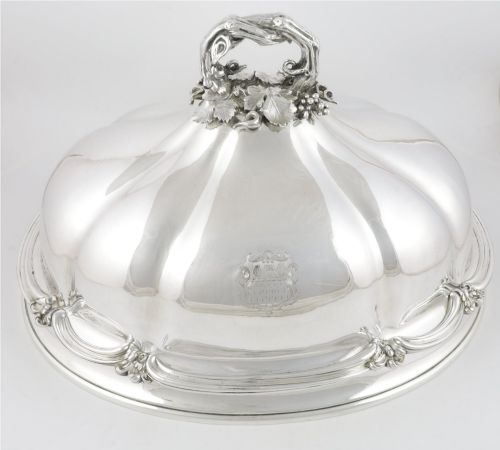
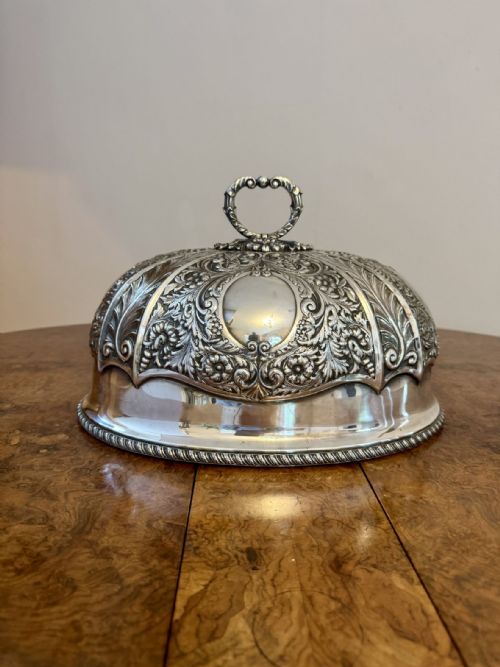
These silver plate meat dish examples are substantial serving pieces designed for grand dining, offering the look of solid silver without the extreme weight.

Silver Plate Meat Dish
A silver plate meat dish search brings up heavy serving trays, warming dishes, and domed covers intended for joint service at the table. You will frequently encounter Old Sheffield Plate domes alongside later Victorian and Edwardian electroplated iterations.
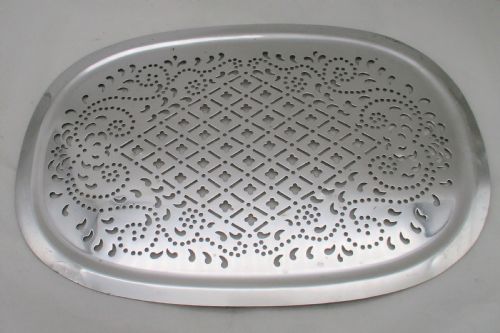
The forms span simple plain trays and elaborate warming vessels fitted with compartments for hot water. Many examples include matching mazarines or draining plates to keep joints elevated above juices during carving.
Materials and construction methods
Early pieces utilise Old Sheffield Plate, a process fusing a thin sheet of silver to a thicker copper core, often showing a hint of copper along cut edges. Later Victorian and Edwardian items employ EPNS, which is electroplate on a base metal substrate.
Makers shaped these heavy metals through hand beating, rolling, and soldering, applying cast silver mounts, handles, and borders to the rims and domes for reinforcement and decoration.
Listings feature Georgian, Victorian, and Edwardian periods alongside Old Sheffield Plate, copper, and EPNS materials.
Distinctions in craftsmanship
Quality rests heavily on the crispness of applied cast mounts and the integrity of the underlying plating over copper or base metal. Substantial weight in the metalwork and maker marks from notable workshops distinguish the finer survivals.
The survival of original engraving, crests, and matching draining inserts elevates an item above standard utility pieces produced in volume.
Roberts Cadman·Henry Wilkinson·Boulton·Dan Holy·Paul Storr·Hukin and Heath
The Silver Plate Meat Dish Glossary
- Old Sheffield Plate
- An early fusing technique where a sheet of silver is fused to a copper base before rolling. This method produces a distinct edge where the copper shows.
- EPNS
- Electroplated nickel silver, a later industrial method replacing Old Sheffield Plate by depositing a silver layer using electricity.
- Mazarine
- A pierced draining plate fitted inside a meat dish to separate joint meat from accumulated juices.
- Cloche
- A bell-shaped dome cover used to retain heat over meat dishes and serving platters.
- Warming dish
- A double-walled serving vessel designed to hold hot water beneath the dish surface to keep meat warm during long meals.
Silver Plate Meat Dish: Frequently Asked Questions
What is Old Sheffield Plate?
Old Sheffield Plate is an early composite material made by fusing a thin layer of silver to a thick copper ingot. This technique was used before electroplating became common.
You can often spot the copper peeking through on the exposed edges of older meat domes and serving trays.
How do I clean silver plate?
Silver plate requires gentle cleaning with a mild, non-abrasive silver polish and a soft cloth to preserve the thin metal layer. Avoid harsh scrubbing that can wear through to the base metal.
Regular dusting and careful handling keep the surface bright without thinning the plating over time.
What is a mazarine plate?
A mazarine is a pierced insert placed inside a meat dish to allow juices to drain away from the joint. They are typically found in larger serving sets.
These plates ensure the meat stays elevated and dry while resting on the warming dish.
Are these dishes safe for food?
Most antique silver plate pieces are intended primarily for display or dry serving due to age and wear. Modern food safety standards may advise caution with older plated items.
Using them for presentation during special dinners remains common among collectors who appreciate their historical utility.