



Silver Pendant Lighting
Silver pendant lighting spans the nineteenth and twentieth centuries, bringing metallic lustre and glass illumination to interior spaces.
Silver Pendant Lighting
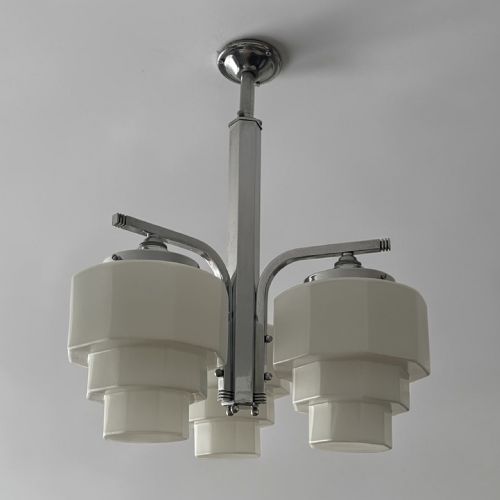
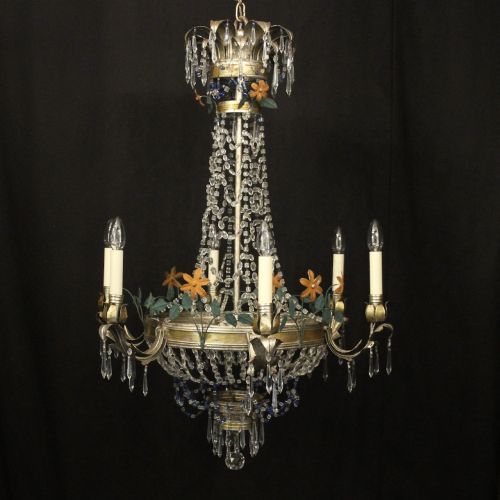
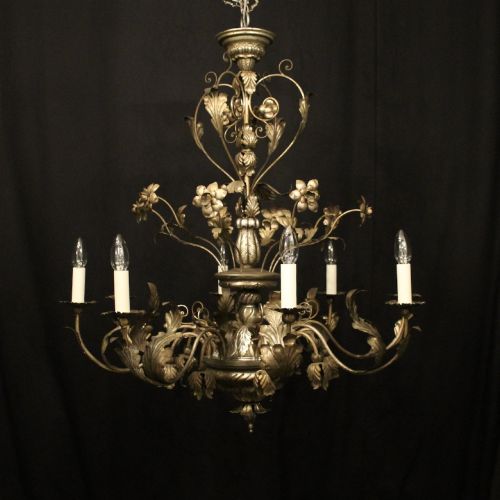
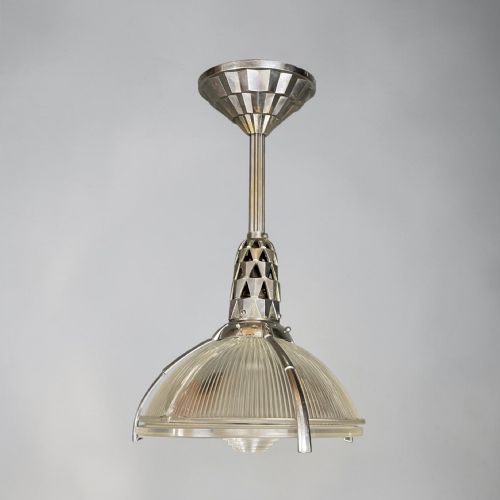
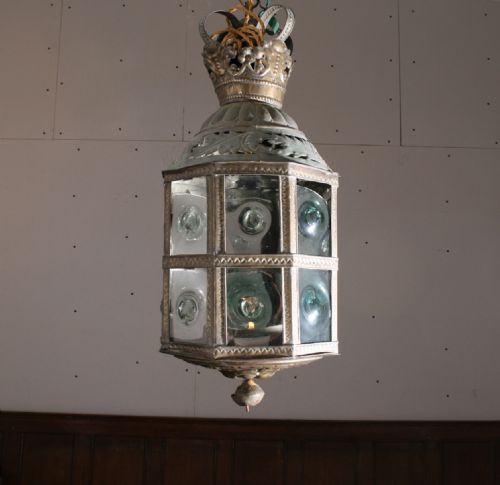
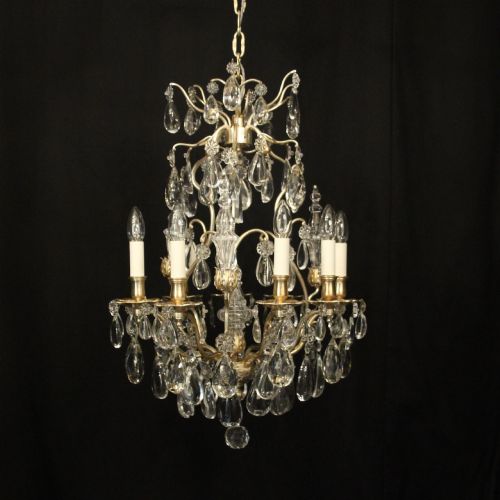
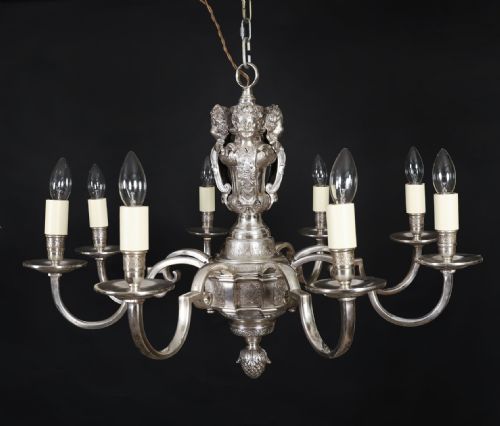
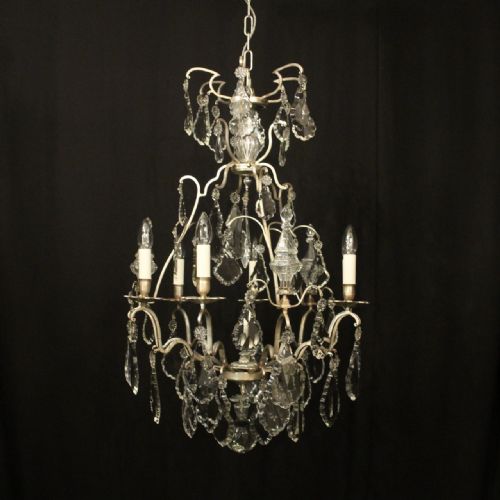
Silver pendant lighting encompasses chandeliers, hanging lanterns, and ceiling lights suspended from above. These fixtures emerge across multiple periods including the Victorian era, the Edwardian period, and the nineteen-thirties.
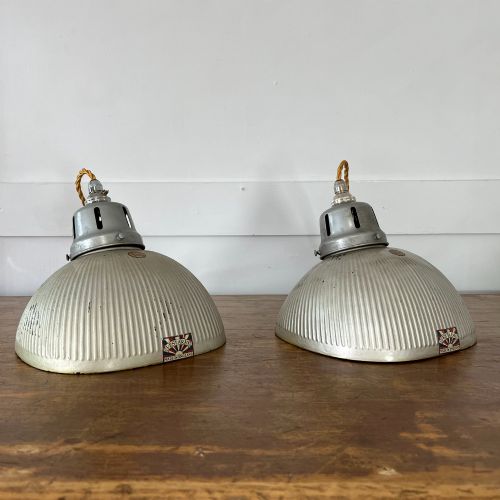
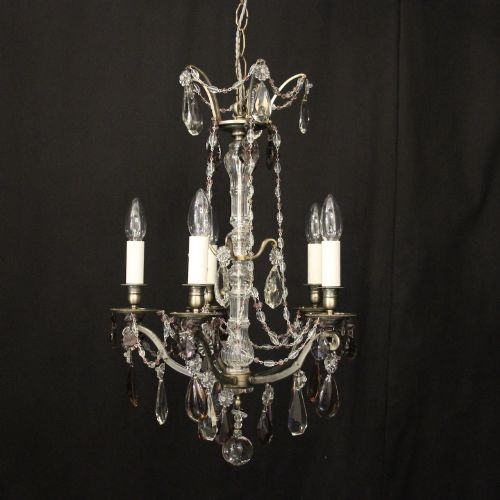
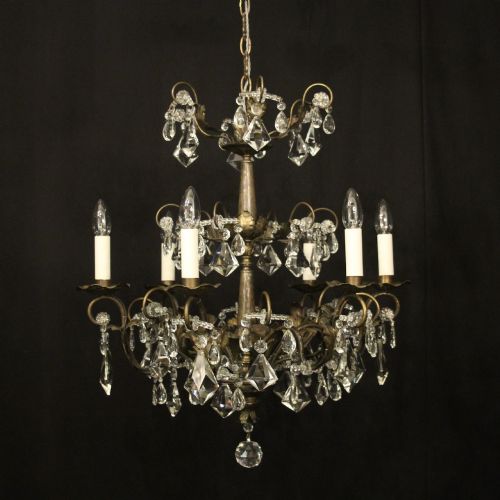
Buyers encounter French, English, and Italian designs incorporating metallic finishes such as silver plating, silver gilt, nickel, and chrome. The forms range from simple glass shades to multi-arm chandeliers hung with crystal.
Materials and construction
Metalwork relies on bronze, brass, steel, and iron treated with silver plating or gilding to achieve a bright reflective surface. Frames hold hand-blown glass, bullseye glass, cut glass, or mercury mirrored glass.
Electric fittings integrate with historical metal frames, sometimes housing multiple lights across arms or within enclosed hanging lanterns.
Silver Pendant Lighting Retail Price Guide 2026
Typical asking prices for silver pendant lighting among the pieces listed under this phrase on Sellingantiques today, from the lower quarter to the upper quarter. They describe what is for sale here now, not the wider market.
Billiard lights kept scoreboards clearly visible in nineteenth-century rooms, proving that smoke-filled game halls still demanded proper illumination.
Judging quality in silver pendant lighting
Quality rests on the weight and purity of the cast metal frame alongside the clarity and hand-finishing of the glass elements. Heavier bronze or brass structures demonstrate superior stability compared to lighter alternatives.
Intricacy of chasing on metal mounts and depth of cut in crystal components elevate the standard of a piece. Original plating condition and the presence of hand-blown glass rather than standard moulded panes distinguish finer examples.
Émile-Jacques Ruhlmann·F&C Osler·VESTARAY·Wedgwood
The Silver Pendant Lighting Glossary
- Chandelier
- A branched hanging luminaire designed to hold multiple electric lamps or candles. These fixtures suspend from ceilings by chains or rods.
- Silver Plate
- A thin layer of silver bonded to a base metal such as copper or brass. This technique provides the appearance of solid silver at a lower weight and cost.
- Mercury Glass
- Double-walled blown glass coated on the inner surface with a silvering mixture. This produces a reflective, mirror-like appearance inside the glass.
- Gilding
- The application of a thin layer of gold or gold-coloured metal leaf to a surface. In these pieces, gilded bronze or brass often sits beneath silver tones or contrasts with them.
Silver Pendant Lighting: Frequently Asked Questions
How do I hang a heavy chandelier?
Heavy chandeliers require direct anchoring to ceiling joists using a steel support box rated for the fixture weight. Professional installation ensures safety when dealing with substantial bronze and crystal structures.
Chain lengths can be adjusted during installation to position the light at the correct height above furniture or open floor space.
Are these lights rewired for modern use?
Many historical fixtures undergo rewiring to comply with contemporary electrical standards while preserving the original metal and glass components. This allows safe integration into modern domestic circuits.
Checking the internal wiring during installation confirms compatibility with standard lamp holders and local safety codes.
How do I clean antique glass shades?
Glass components benefit from gentle removal and washing in lukewarm water with mild soap to preserve surface finishes. Avoiding harsh chemicals prevents damage to mercury mirroring or delicate silvered surfaces.
Soft cloths dry the glass thoroughly before reattachment to the metal framework.
How do I date a silver pendant light?
Dating relies on stylistic markers such as the geometric lines of Art Deco pieces from the nineteen-thirties or the ornate casting of nineteenth-century French chandeliers. Materials like chrome point toward later periods, while heavy brass and cut glass suggest Edwardian or Victorian origins.
Manufacturer stamps or attribution marks on the metal frame provide further chronological context.