



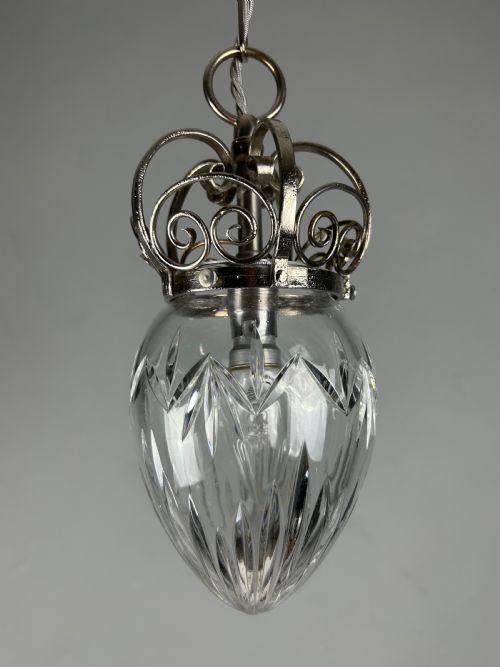


Antique Silver Hanging Lamp
These antique silver hanging lamp pieces bring period presence and direct illumination to a room, offering genuine architectural character.
Antique Silver Hanging Lamp
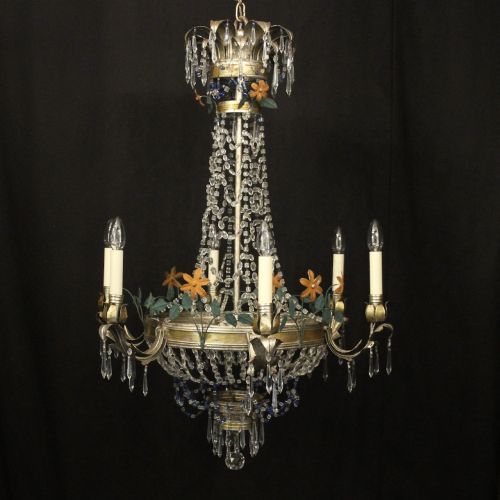
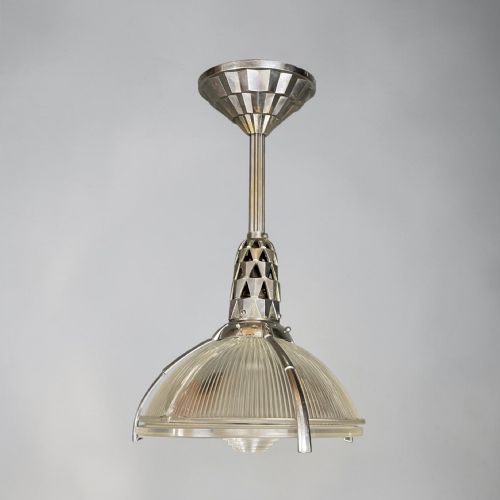
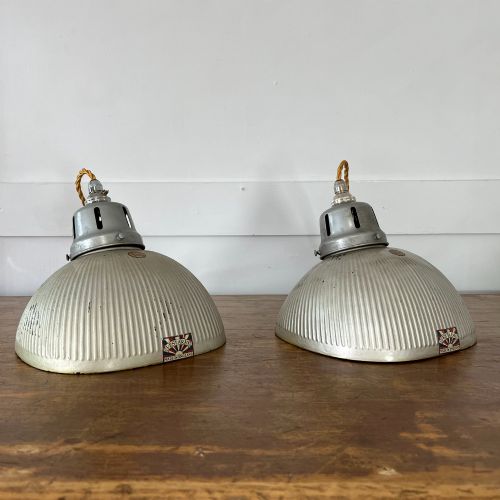
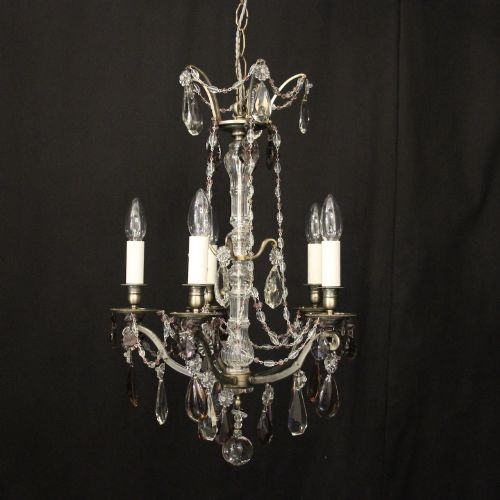
An antique silver hanging lamp brings functional overhead lighting with distinct period form, spanning styles from Edwardian to Art Deco. Buyers searching for an antique silver hanging lamp encounter diverse formats including pendant lights, multi-branch chandeliers, and ceiling candle fittings.
The selection ranges from mid nineteenth century Victorian and Edwardian examples to nineteen twenties and thirties designs. Materials encompass silver plate, silvered bronze, and chrome combined with glass, cut glass, crystal, and brass.
French and English origins appear across the selection, featuring styles such as French Neoclassical, French Chateau, and straightforward Art Deco geometric forms. These fixtures serve both domestic rooms and larger spaces requiring substantial ceiling lighting.
How they were made
Construction relies on metal framing combined with glass elements, utilising silver plate, silvered bronze, chrome, steel, and brass to support cut glass, mercury mirrored glass, or crystal panels and shades. Metalworking techniques shape the structural branches, lanterns, and suspension rings.
Glass components undergo cutting, moulding, or silvering processes to diffuse light effectively from multiple bulbs or candles. Silver gilding and plating finish the metal surfaces, pairing reflective metalwork with transparent or mirrored glass.
Antique Silver Hanging Lamp Retail Price Guide 2026
Typical asking prices for silver hanging lamp among the pieces listed under this phrase on Sellingantiques today, from the lower quarter to the upper quarter. They describe what is for sale here now, not the wider market.
A billiard room needed six branches of light to keep the cue ball properly visible in the nineteenth century.
What varies in quality
Quality differences stem from the depth of metalwork detailing, such as the crispness of casting on silvered bronze or the substantial weight of the structural frame. The calibre of the glass elements, from heavy cut crystal to mirrored glass, defines the optical finish.
Cohesion of style distinguishes standard production from finer pieces, where French Neoclassical or Art Deco proportions are executed with distinct harmony. The preservation of original silver plating, gilding, and surface finishes maintains the integrity of the design.
Émile-Jacques Ruhlmann
The Antique Silver Hanging Lamp Glossary
- Silver plate
- A thin layer of silver applied to a base metal core such as copper or brass. This technique provides the appearance of solid silver at a different weight and scale.
- Silvered bronze
- Bronze cast and treated with a silver coating to give a bright reflective surface. It combines the strength of bronze with a silvered visual finish.
- Cut glass
- Glass decorated by grinding and polishing facets into the surface to catch and refract light. It appears frequently on Edwardian and later pendant lights.
- Mercury mirrored glass
- Glass coated on the interior with a reflective metallic substance, creating a deep mirrored appearance. It is found in specific pendant lights from the early twentieth century.
- Chandelier
- A branched decorative ceiling fitting designed to hold multiple lamps or candles. Examples in the evidence range from five to eight branches.
Antique Silver Hanging Lamp: Frequently Asked Questions
What periods do these hanging lamps cover?
The pieces span from the mid nineteenth century through the Edwardian era up to nineteen thirties Art Deco designs. This covers Victorian, Edwardian, and twentieth century modernist movements.
Each period brings distinct material combinations, moving from silver plated candle fittings to chrome and glass pendants.
How do pendant lights differ from chandeliers?
Pendant lights generally hang from a single suspension point and illuminate downward through a shade or lantern structure. Chandeliers feature multiple branched arms radiating from a central axis to hold several light sources.
Both serve as ceiling lighting but create different visual weights and light distribution within a room.
What materials are common in these fixtures?
Metal and glass form the primary components, including silver plate, brass, steel, chrome, and silvered bronze. These metals pair with cut glass, crystal, and mercury mirrored glass.
The choice of material often defines the stylistic era, such as chrome for Art Deco pieces and silver plating for Edwardian items.
Are French and English styles distinct?
French pieces often display ornate influences such as French Chateau or French Neoclassical aesthetics, frequently utilising silvered bronze and multiple light branches. English items lean towards Edwardian cut glass pendant designs and functional forms.
Both national traditions emphasise decorative metalwork paired with reflective glass elements.