

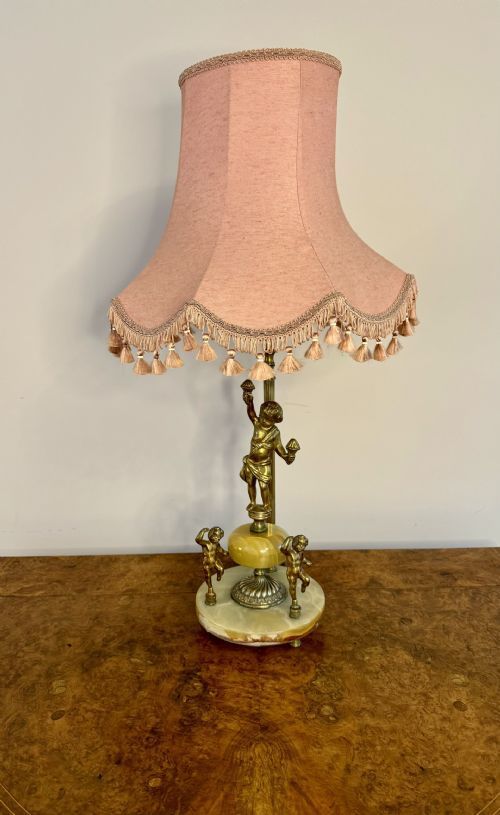


Victorian Cherub Lighting
Victorian cherub lighting brings figurative bronze, porcelain and gilt metal figures into domestic illumination through lamps, sconces and candelabra.
Victorian Cherub Lighting
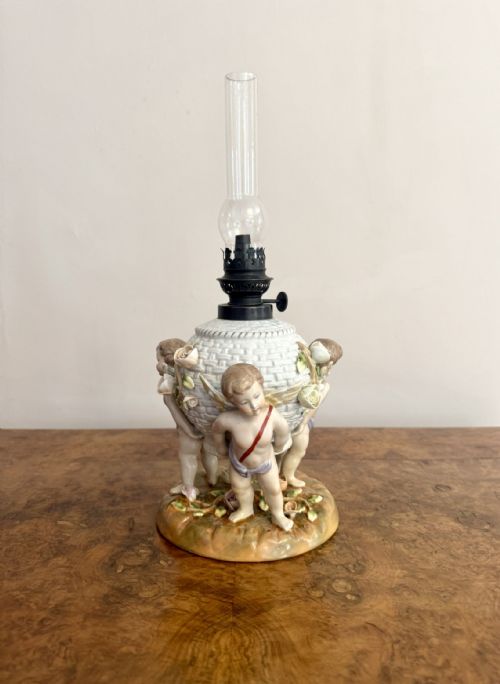
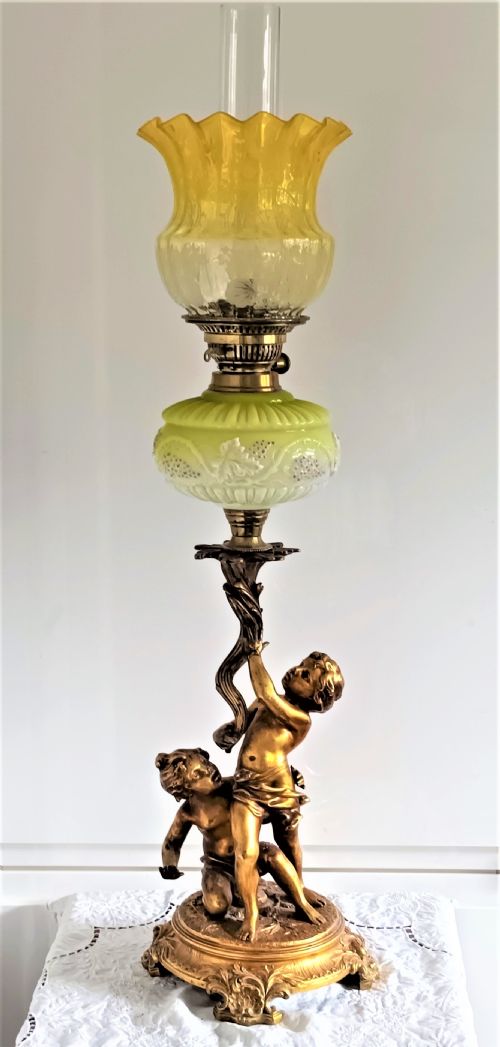
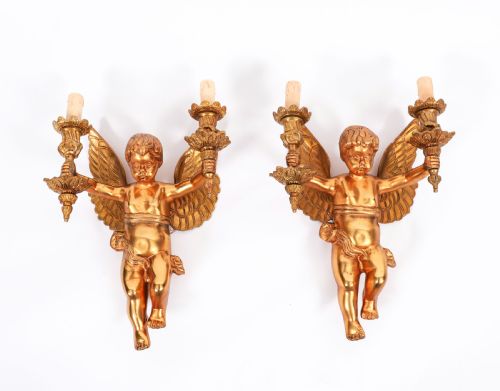
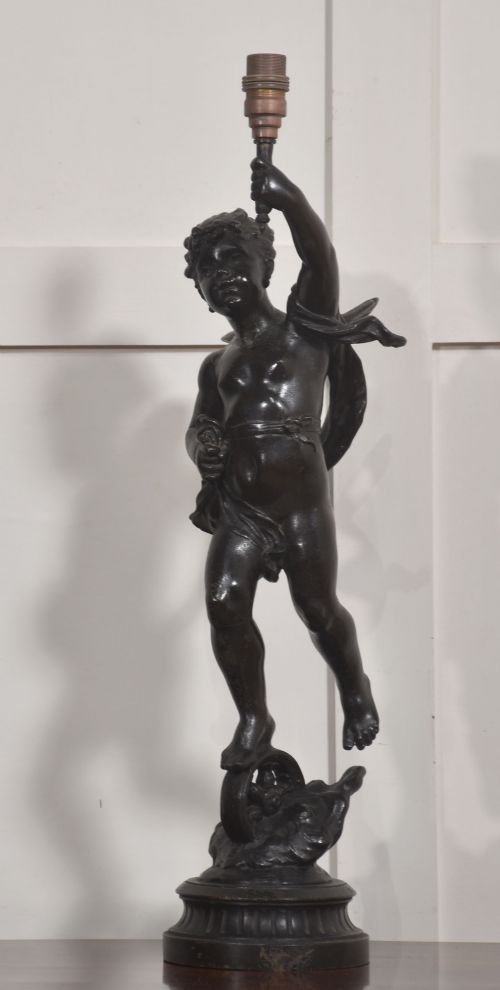
When you search for victorian cherub lighting, you encounter figurative illumination drawing on nineteenth century design periods and styles such as Rococo Revival and French Chateau. These pieces incorporate winged figures, putti and cherubs into functional lighting fixtures and candle holders.
The selections on this page span table lamps, oil lamps, candlesticks, candelabra, wall sconces and chandeliers. Examples originate from various workshops and international makers, reflecting the tastes of the nineteenth century and the Edwardian era.
Most pieces combine utility with sculptural form, featuring cherubs cast in bronze, ormolu, or modelled in porcelain. These items functioned originally with candles or oil before many underwent later conversion to electricity.
Materials and construction
Foundry work relied on bronze, brass, gilt metal and ormolu to create durable armatures and figures. Metal components were cast, chased and patinated or gilded to achieve rich surface textures.
Ceramic elements utilise porcelain and blanc de chine, often associated with factories such as Sitzendorf and Meissen. These porcelain figures and reservoirs combine with metal mounts, glass shades and marble bases.
Victorian Cherub Lighting Retail Price Guide 2026
Typical asking prices for victorian cherub lighting among the pieces listed under this phrase on Sellingantiques today, from the lower quarter to the upper quarter. They describe what is for sale here now, not the wider market.
Some dancing cherubs hold up candles so enthusiastically they appear ready to drop them.
Assessing quality and execution
The integration of materials distinguishes finer items. Quality is evident when porcelain, marble, glass and cast metal components fit securely together with harmonious proportions and appropriate patination.
Sitzendorf·Meissen·Aug Moreau·Elkington
The Victorian Cherub Lighting Glossary
- Ormolu
- Gilded bronze, where a layer of gold amalgam is applied to a bronze base. This technique produces a rich, warm metallic finish seen on many nineteenth century mounts.
- Putto
- A plump, naked child figure, frequently winged, depicted in classical art and revival lighting. These figures form the central decorative motif of these pieces.
- Candelabra
- A branched candlestick holding multiple lights. These fixtures often feature cherub figures supporting the candle arms.
- Blanc de chine
- A type of white porcelain originating from China and later replicated by European potteries. This glaze highlights the modelled form of porcelain cherub figures.
Victorian Cherub Lighting: Frequently Asked Questions
Are these lamps still suitable for daily use?
Many pieces designed originally for oil or candles have been converted safely to run on electricity. Buyers often use them as decorative accent lamps on side tables or desks.
Original wiring should be checked by a qualified electrician before use. Preserving original fittings requires care to maintain the historic integrity of the bronze or porcelain.
How do I identify porcelain figures on these lamps?
Porcelain elements on these pieces often originate from European factories like Sitzendorf or Meissen. They feature hand-painted details and glazed surfaces integrated into the lamp base or candle holder.
Examining the underside can sometimes reveal factory marks. The delicacy of the porcelain requires careful handling during cleaning and placement.
What is the difference between ormolu and bronze?
Ormolu refers specifically to gilded bronze, where gold is applied to the metal surface to create a bright, golden finish. Bronze is used in its patinated form for a darker, metallic appearance.
Both materials were cast using traditional foundry methods during the nineteenth century. The choice of finish depended on the prevailing decorative style of the period.
How should I clean antique metal and porcelain?
Dust metal components gently with a soft, dry cloth to protect the patination or gilding. Avoid using abrasive commercial polishes that can strip the historic surface finish.
Porcelain parts can be wiped with a damp cloth if necessary, avoiding any painted areas. Keeping these items away from direct sunlight helps preserve the colours and materials.