



Silver Pearl Pin
These silver pearl pin examples bring together lustrous nacre, precious metals and intricate metalwork.
Silver Pearl Pin
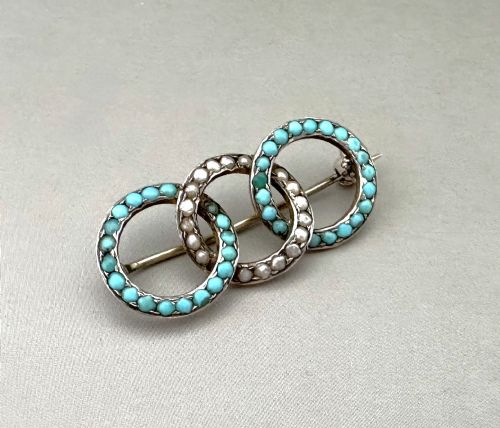
A silver pearl pin encompasses a variety of wearable ornaments and decorative objects, most frequently seen here as brooches, hatpins and novelty pin cushions from the nineteenth and twentieth centuries. Buyers searching for a silver pearl pin encounter works from the Victorian, Edwardian and Mid-Century periods, alongside continental European pieces.
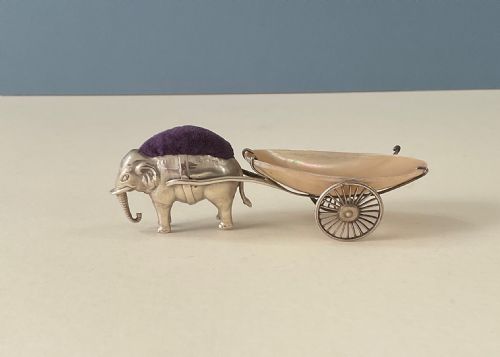
The selection ranges from delicate bar brooches set with seed pearls and enamel to whimsical novelty pin cushions shaped as dogs and carts. Makers utilised sterling silver, silver gilt and occasionally gold highlights to frame the pearls, incorporating materials such as turquoise, diamonds and rubies in more elaborate designs.
Edwardian examples dominate the selection, often featuring bow motifs, hearts, swallows and insects executed in silver and enamel. Alongside these, earlier nineteenth-century revival pieces and later mid-century works by makers such as Mikimoto demonstrate the enduring appeal of combining silver with pearls.
Materials and construction methods
Makers constructed these pieces using solid silver, sterling silver or silver gilt as the primary structural metal, frequently pairing it with yellow gold in multi-tone compositions. Pearls, seed pearls and mother-of-pearl provide the characteristic lustrous focal points across brooches, hatpins and decorative cushions.
Enamelling techniques, including translucent green or blue enamel and plique-à-jour, add vibrant colour to the metalwork. Gemstones such as diamonds, turquoise, rubies and paste stones are flush-set or claw-set to enhance floral, insect and novelty subjects.
Listings feature items from the Edwardian, Victorian, and mid-century periods, constructed in silver, silver gilt, enamel, and mother-of-pearl.
Factors of distinction
Quality in these items rests upon the precision of the metalwork, the uniformity and lustre of the pearls, and the delicacy of any accompanying enamel work. Superior examples display crisp casting or hand-fabrication in motifs such as swallows, ribbons and floral sprays.
The integration of secondary materials, such as well-matched rose-cut diamonds or translucent plique-à-jour enamel, elevates an item above standard production. Maker attribution and the preservation of original velvet or fitted elements also influence the standing of a piece.
Levinger and Bissinger·Mappin Brothers·Mikimoto
The Silver Pearl Pin Glossary
- Silver gilt
- Silver that has been coated with a thin layer of gold on its surface. This technique creates a warm dual-tone appearance often found in antique brooches.
- Seed pearl
- A very small natural pearl, typically under two millimetres in diameter. These tiny pearls were frequently set in clusters or lines during the Victorian and Edwardian eras.
- Plique-à-jour
- An enamelling technique where the enamel is applied without a backing, resembling miniature stained glass. It allows light to pass through the translucent coloured glass cells.
- Novelty pin cushion
- A small decorative object shaped as an animal, vehicle or household item designed to hold sewing pins. Edwardian examples often combined silver bases with velvet upholstery.
- Bar brooch
- A slender horizontal pin featuring gemstones, pearls or enamel motifs centred along a metal bar. This form was exceptionally popular throughout the late nineteenth and early twentieth centuries.
Silver Pearl Pin: Frequently Asked Questions
What is a silver pearl pin?
A silver pearl pin generally refers to decorative brooches, hatpins, tie pins and functional pin cushions that combine silver settings with pearls or mother-of-pearl. These items date primarily from the Victorian, Edwardian and mid-century periods.
They encompass both wearable jewellery and boudoir accessories designed with intricate metalwork, enamel and occasionally gemstones.
How do I date an Edwardian silver brooch?
Edwardian pieces, produced roughly between 1901 and 1910, often feature light, airy platinum-on-silver settings, bow motifs, garlands and swallows. Makers frequently employed pastel enamels and seed pearls during this period.
Examining the pin stem, clasp type and any hallmarks will help confirm the specific manufacturing era.
How were novelty pin cushions used?
Novelty pin cushions served as both decorative ornaments for dressing tables and practical receptacles for sewing pins. Edwardian households prized silver-mounted animal and vehicle designs for their charm and utility.
The pins were pushed directly into integrated velvet pads housed within the silver frames.