



Silver Occasional Table
A silver occasional table brings versatile surface space and reflective detail into a room, spanning formal Georgian forms and later revival designs.
Silver Occasional Table
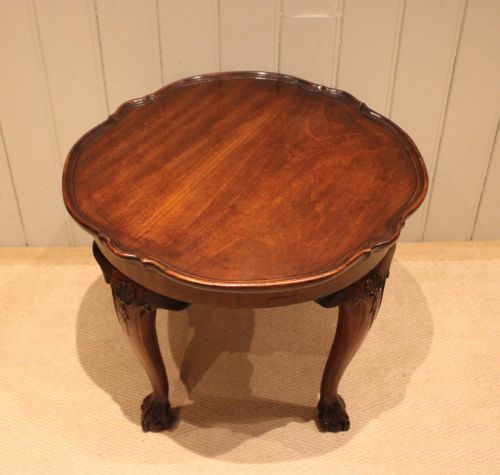
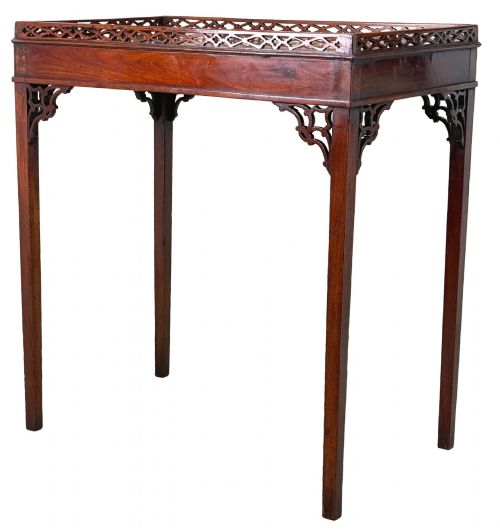
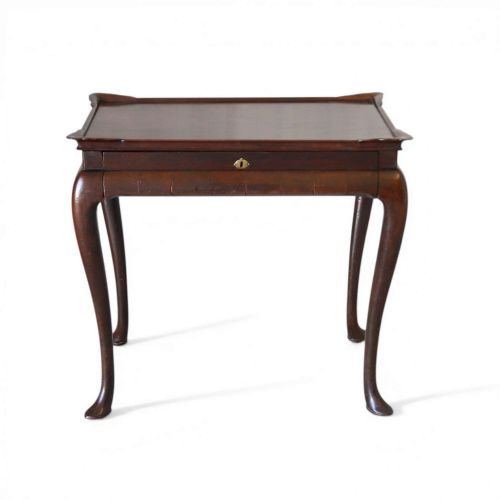
A silver occasional table encompasses diverse forms designed for light use and display, including side tables, tray tables, and centre tables. You will encounter pieces ranging from eighteenth-century Georgian mahogany examples with cabriole legs to later Victorian walnut versions and early twentieth-century interpretations.
The materials span traditional hardwoods like mahogany, walnut, and oak alongside decorative metals, brass, copper, ormolu, and mirrored glass. Surviving items frequently feature tray tops or inlaid surfaces intended for presentation and afternoon tea.
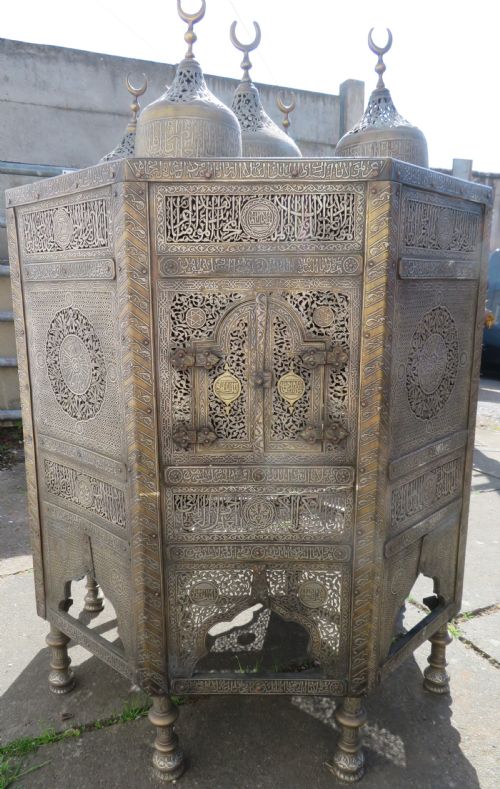
Mamluk revival pieces and Cairo ware introduce brass and silver inlay alongside orientalist forms such as Quran stands and kursi tables. French influences appear in painted, parcel silvered, and Empire style centre tables alongside Chippendale revival lamp tables.
Factors influencing quality and craftsmanship
The refinement of the timber and the precision of the carving dictate the baseline standard of the piece. Crisp cabriole legs, well-executed Chippendale style carving, and tightly fitted tray tops indicate skilled workmanship.
The integrity and complexity of the metalwork, whether silver inlay on brass or parcel silvered bronze mounts, define the upper tier. Original surfaces, retained hardware, and harmonious proportions separate standard utility items from exceptional examples.
Some tables double as Quran stands, proving that a silver occasional table could hold sacred text just as easily as afternoon tea.
The Silver Occasional Table Glossary
- Tray top
- A table surface featuring a raised edge or gallery designed to secure items from sliding. This form is common on Georgian and Victorian presentation tables.
- Cabriole leg
- A curved table leg featuring a convex upper sweep and a concave lower sweep ending in a foot. This design originates from classical antiquity and defines many eighteenth-century pieces.
- Cairo ware
- Metalwork originating from Egypt, typically brass inlaid with silver and gold. Items in this style include Quran stands and orientalist occasional tables from the early twentieth century.
- Parcel silvered
- A surface decoration technique where silver leaf or plating is applied to specific carved details rather than the entire object. This method accentuates architectural moulding and foliage.
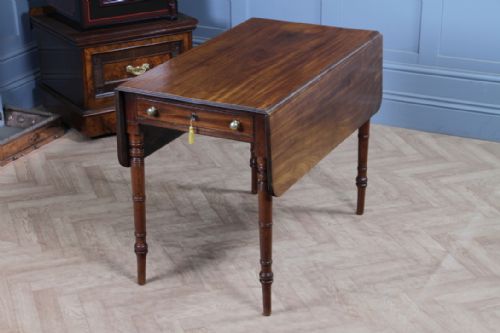
- Pembroke table
- A drop-leaf table with hinged flaps on either side, often fitted with a drawer. These versatile pieces served multiple functions in domestic interiors.
Silver Occasional Table: Frequently Asked Questions
What is a silver table used for?
These tables served primarily for the presentation of silver items, tea service, or general display in reception rooms and halls. They provided a moveable surface that combined practical utility with decorative presence.
Over time, their function shifted toward general occasional use, lamp placement, and interior display, adapting to changing domestic requirements across the Georgian, Victorian, and twentieth-century periods.
How do I date a silver occasional table?
Dating relies on identifying timber species, construction techniques, and stylistic markers such as cabriole legs, tray top galleries, or revival influences. Eighteenth-century pieces typically exhibit solid mahogany construction and hand-carved details, while later nineteenth-century examples often incorporate burr walnut veneers and elaborate inlay.
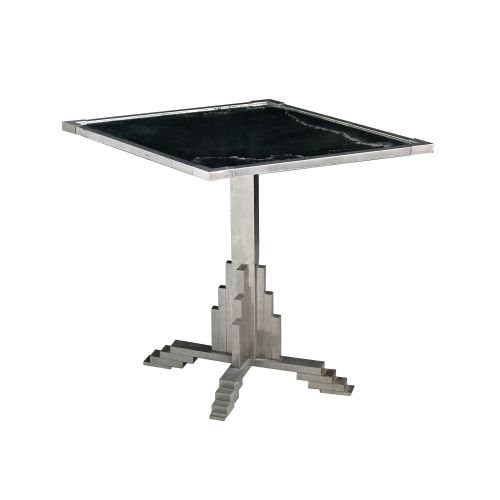
Twentieth-century interpretations frequently adopt art deco geometry, chrome finishes, or specific regional revival styles like Cairo ware and Chippendale revival forms. Comparing hardware, drawer construction, and secondary woods helps confirm the period of manufacture.
Are these tables solid mahogany?
Many eighteenth-century and Georgian pieces utilise solid timbers like Cuban mahogany or oak for their primary structures. Cabinetmakers also employed mahogany veneers over secondary softwoods or oak bases, particularly on larger surfaces.
Later Victorian and twentieth-century examples frequently feature burr walnut or satinwood veneers applied to stable core woods. Examining the undersides and drawer linings clarifies the specific timber construction.
How do I care for a silver occasional table?
Maintenance involves keeping the wooden surfaces clean with appropriate furniture wax and protecting inlaid metalwork from moisture and harsh cleaning agents. Gentle dusting with a soft cloth preserves the finish of both timber and decorative metal elements.
Positioning the table away from direct sunlight and extreme temperature fluctuations prevents veneer lifting and timber shrinkage. Preserving the original surface patina ensures the long-term character of the piece remains intact.