


Silver Mounted Inkwell
A silver mounted inkwell brings tactile Victorian and Edwardian writing habits straight to the modern desk.
Identifying these writing pieces
A silver mounted inkwell combines metalwork with glass, ceramic or organic bodies to hold ink securely upon a writing desk.
The pieces appearing on this page span the Victorian and Edwardian periods, frequently taking the form of desk stands, inkstands or desk accessories.
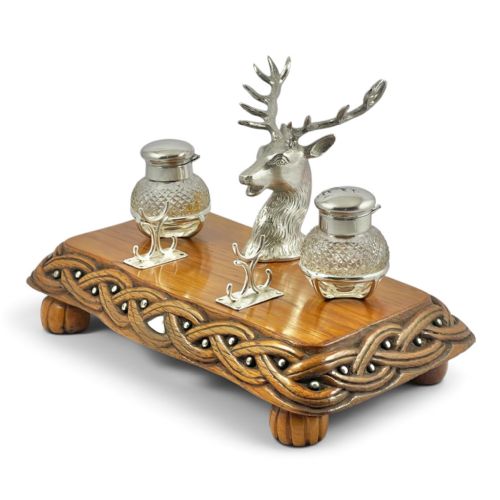
Collectors frequently encounter cut glass, crystal and amber glass reservoirs fitted with hallmarked sterling silver lids and collars.
Materials and construction methods
Craftsmen joined heavy moulded glass and cut crystal vessels to sterling silver mounts, often incorporating hinged lids and fitted collars.
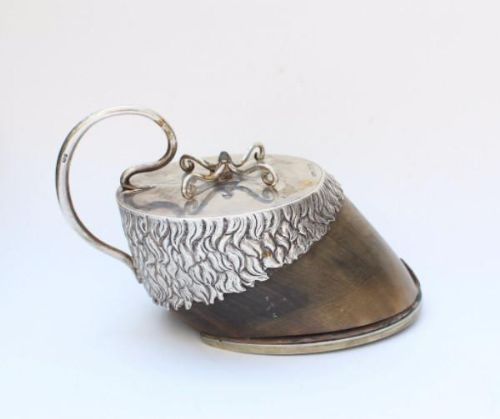
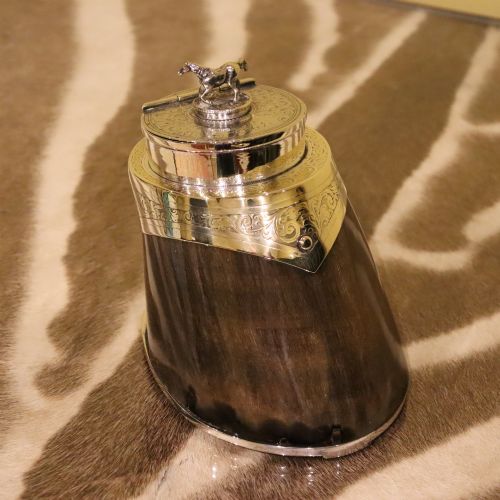
Organic materials also appear across the records, utilising horn, oak, leather and actual horse hooves mounted with silver hardware and brass accents.
Retail Price Guide 2026
Typical UK retail prices for silver mounted inkwell, calculated from the Sellingantiques database of over a million retail prices indexed since 2003. This retail price guide relies exclusively on Sellingantiques data; no external sources or auction records are used, so the figures do not describe the wider market.
Judgement of standard
Quality rests in the thickness of the glass cutting and the weight of the sterling silver mounts rather than simple ornamentation.
Maker marks from prominent silversmiths elevate standard desk items into distinct pieces of period craftsmanship.
William Comyns·J. Grinsell·Henry Matthews·George Burrows
The Silver Mounted Inkwell Glossary
- Hallmark
- Official stamps struck on precious metals indicating the assay office, standard of purity and date letter. These marks allow exact dating of the silver mount.
- Hobnail cut
- A sharp geometric pattern cut into glass vessels that catches the light and adds weight to the inkwell base.
- Inkstand
- A complete desk tray holding one or more inkwells alongside provision for pens and sealing materials.
- Sterling silver
- An alloy containing ninety-two point five percent silver by mass, forming the primary metal for the lids and collars seen here.
Frequently Asked Questions
How do I date my inkwell?
Dating relies entirely upon the silver hallmarks stamped onto the metal collar or lid. Assay office symbols and date letters pinpoint the exact year of manufacture.
Stylistic cues such as heavy hobnail cutting or Celtic revival motifs further narrow down whether the piece belongs to the Victorian or Edwardian eras.
Were these used for travel?
Travelling versions featured secure screw-down sterling silver lids and leather clad bodies to prevent leaks inside luggage. They were built for portability.
Desk-bound inkstands remained larger and heavier, often pairing cut glass reservoirs with solid silver trays and pen rests.
What glass colours are typical?
Clear cut crystal and hobnail glass dominate the selection, offering transparency to check ink levels easily. Amber and cranberry glass appear less frequently.
Coloured glass variants provide a striking contrast against the polished sterling silver mounts and fitted wooden or leather bases.
Why use horse hooves?
Equestrian taxidermy found a practical place on late nineteenth-century desks as mounted paperweights and inkwells. Hooves were fitted with silver lids and inscribed collars.
These unusual desk accessories reflect Victorian tastes for combining natural history specimens with functional metalwork.