

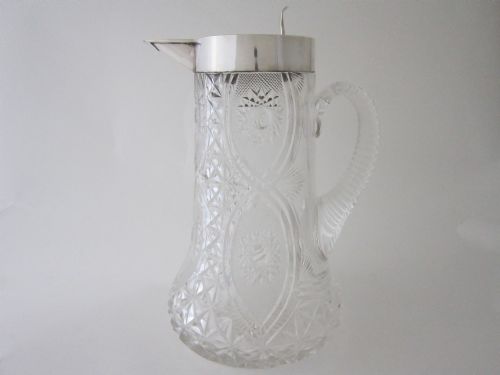
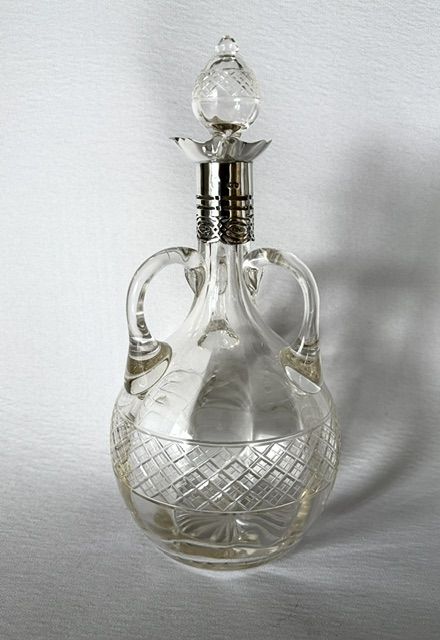
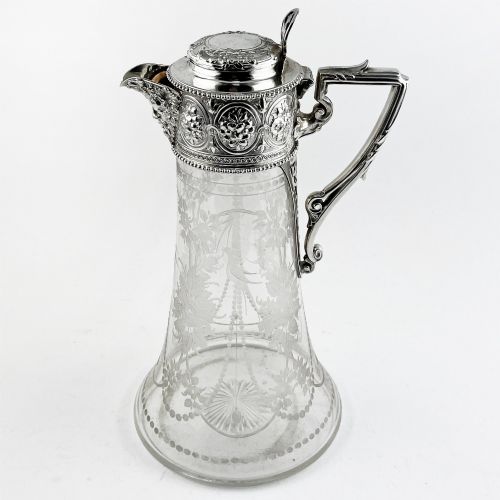
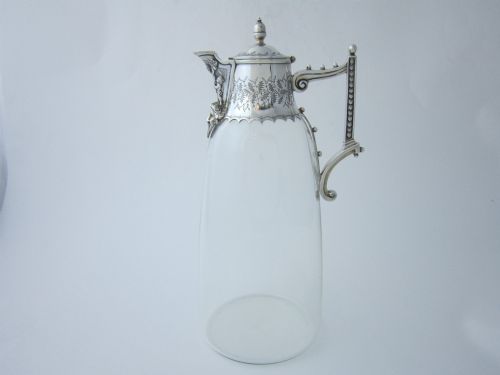

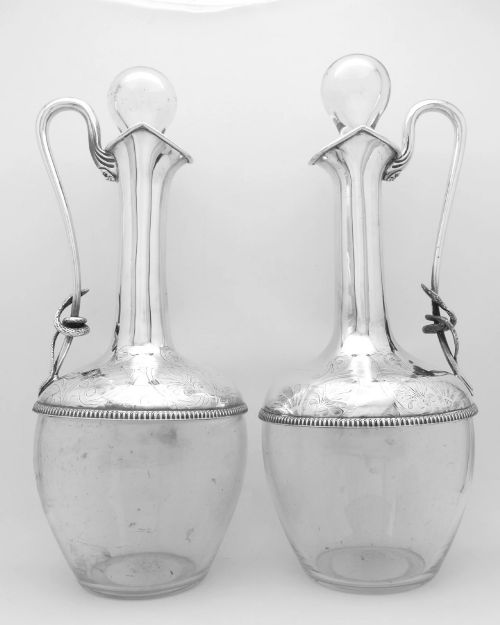

Silver Mount Claret Jug
When you search for a silver mount claret jug, you find a vessel combining functional glassware with decorative metalwork, ideal for serving wine or gracing a dining table.
Silver Mount Claret Jug
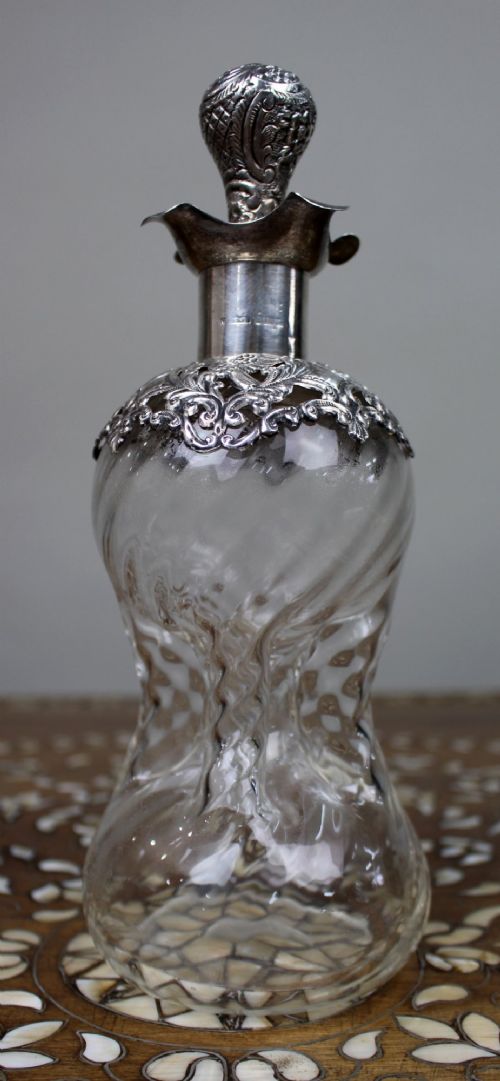
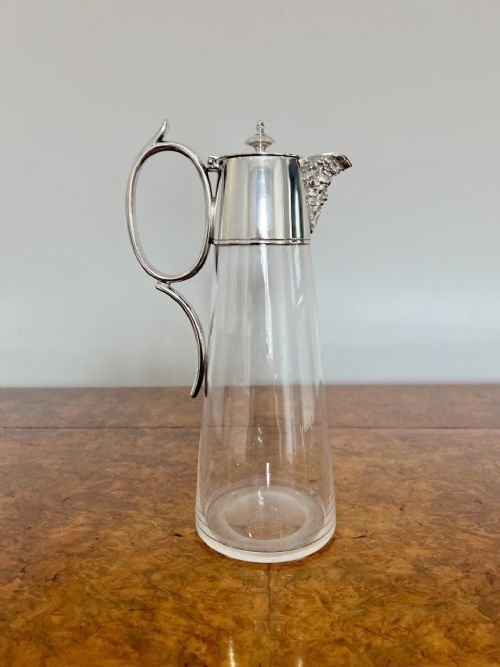
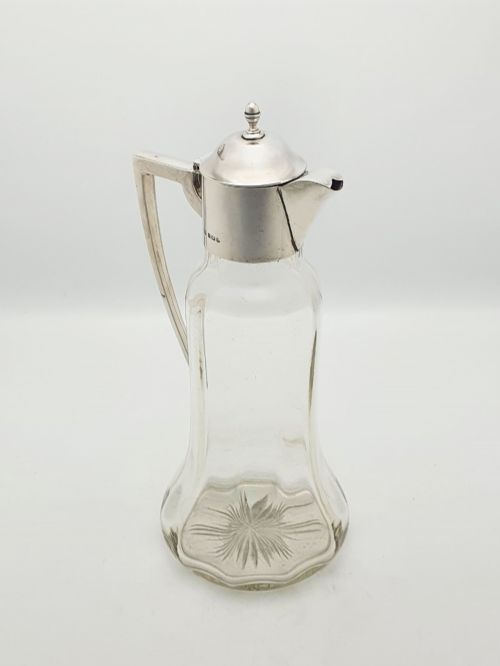
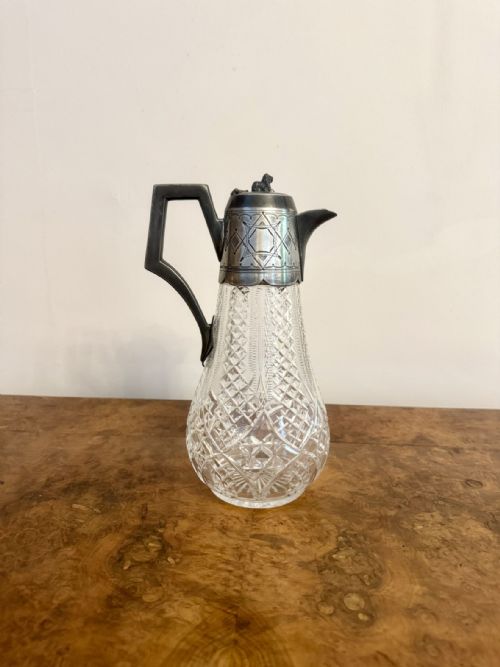
A silver mount claret jug combines a glass or crystal body with metal mounts, hinges, and handles, appearing primarily in Victorian and Edwardian periods.
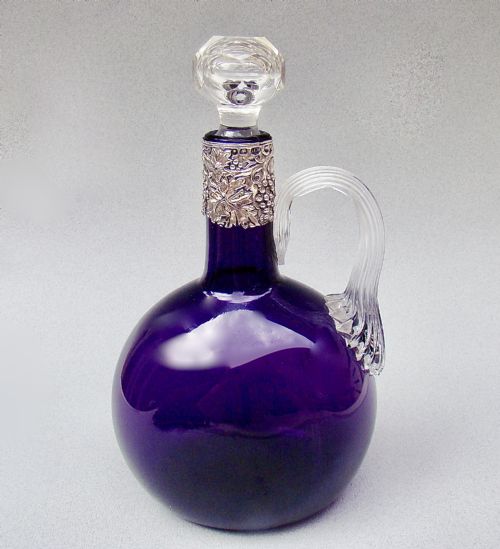
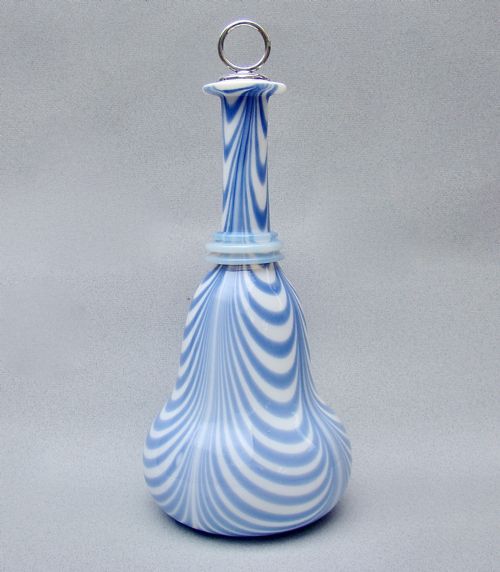
The vessels range from ovoid shapes with spiral cuts to plain cylinders and coloured glass bodies, including cranberry and amethyst examples.
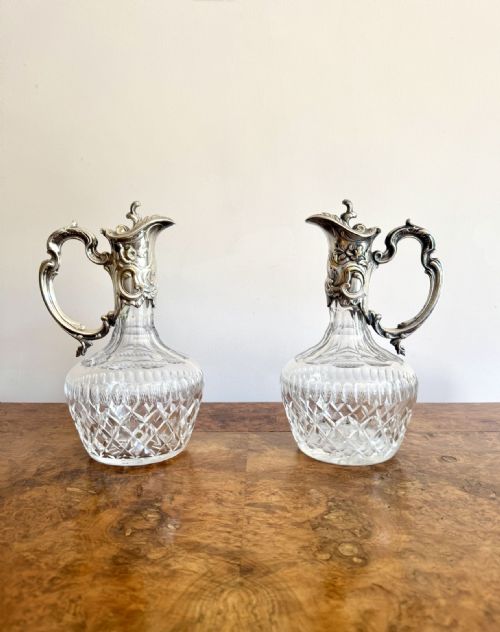
Makers utilised various styles such as Rococo Revival, Art Nouveau, and Aesthetic Movement to shape the mounts and handles.
Materials and construction
Bodies consist of glass, crystal, cut glass, or etched glass, frequently shaped through blowing and mechanical cutting.
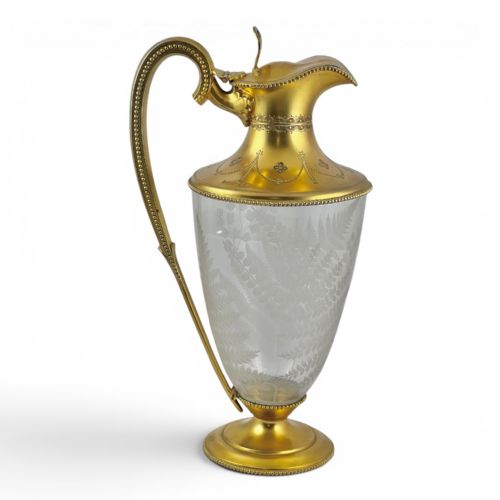
Mounts utilise sterling silver, silver gilt, or silver plate, secured around the neck and lip with hinged lids and scroll handles.
Silversmiths employed techniques like floral engraving, acid etching, and casting to decorate the metal components.
Assessing quality and craftsmanship
Quality depends on the weight and clarity of the glass body, alongside the depth and precision of the cut or etched patterns.
The thickness and definition of the silver or silver-plated mount dictate the sturdiness and visual balance of the piece.
Maker signatures and clear hallmarks on the metal parts indicate workshop origin and standard of metal purity.
Asprey and Co. Ltd·Henry Matthews·Mappin and Webb·Elkington and Co·Tiffany·Hukin and Heath·John Grinsell and Son·Holland Son and Slater·Walker and Hall
The Silver Mount Claret Jug Glossary
- Sterling silver
- A silver alloy containing 92.5 percent pure silver by mass, frequently used for the mounts and handles.
- Silver plate
- A layer of silver applied to a base metal core, common in Victorian and Edwardian manufacturing.
- Cut glass
- Glass decorated by grinding facets or patterns into the surface using wheels, enhancing the refraction of light.
- Hinged cover
- A lid attached to the collar of the mount by a hinge, allowing the vessel to open for pouring.
- Silver gilt
- Sterling silver covered with a thin layer of gold on the surface, providing a rich two-tone appearance.
Silver Mount Claret Jug: Frequently Asked Questions
How were silver mount claret jugs used?
These vessels served claret and other wines at formal dining tables, allowing hosts to decant and pour beverages with ease.
The hinged lid kept the contents covered between pours while the handle provided a secure grip for the server.
How do I clean a claret jug?
Wash the glass body gently in warm soapy water using a bottle brush to reach interior residue without damaging the surface.
Polish the silver mounts separately with a soft cloth and appropriate metal cleaner, avoiding contact between polish and the glass.
Are these jugs safe for serving wine?
Yes, historic glass and silver materials remain entirely suitable for holding and pouring wine during modern meals.
Inspect the interior for any stubborn staining or residue before filling the vessel for use.
How do I identify the period?
Examine the hallmarks stamped on the silver mounts, which indicate the assay office and year of production.
Stylistic cues like Art Nouveau curves or Victorian engraving patterns also help narrow down the decade of manufacture.