


Silver Metalwork
Silver metalwork brings together centuries of skilled smithing, offering everything from delicate vessels to bold decorative centerpieces.
Silver Metalwork
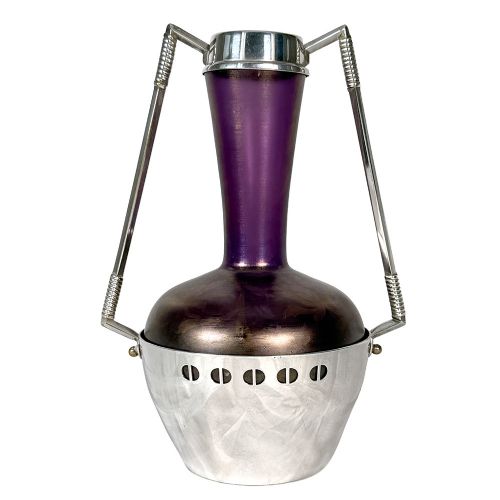
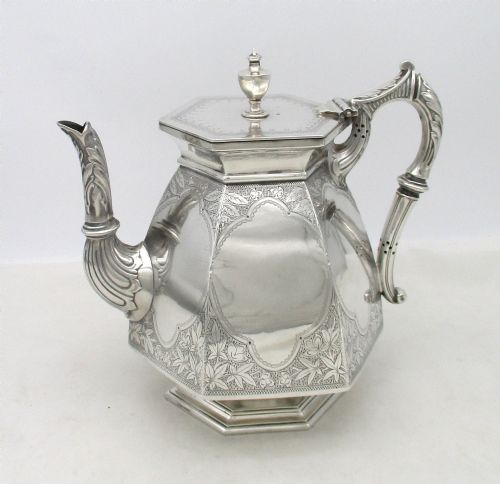
Silver metalwork encompasses a diverse array of decorative objects, vessels, and furnishings shaped from precious and base metals. When exploring this category, buyers frequently encounter pieces created across the nineteenth and early twentieth centuries, reflecting both European and international design movements.
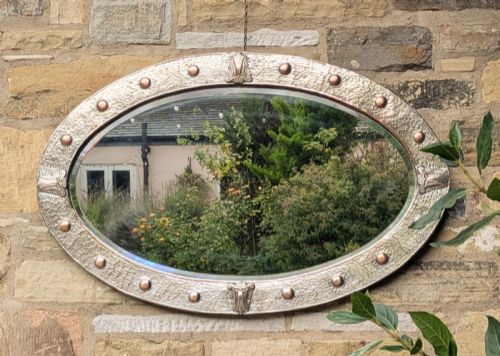
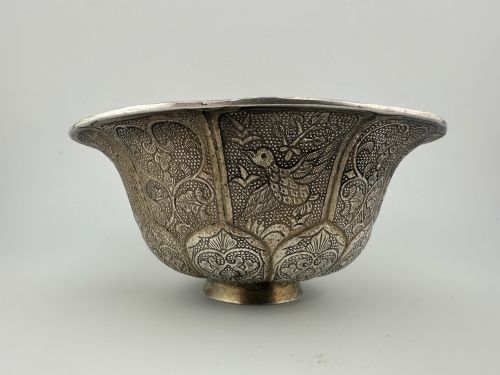
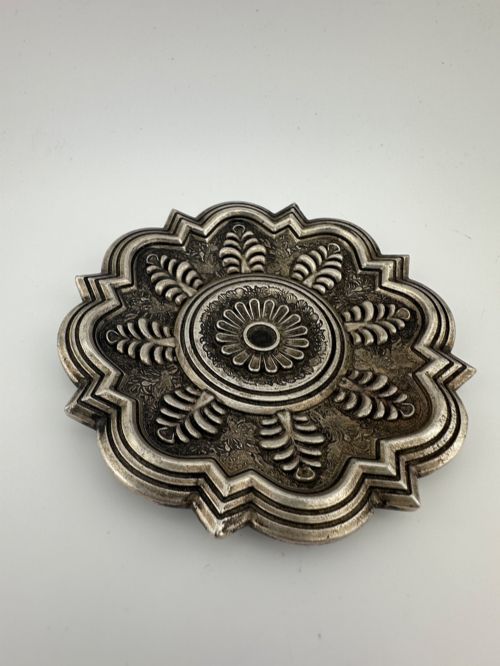
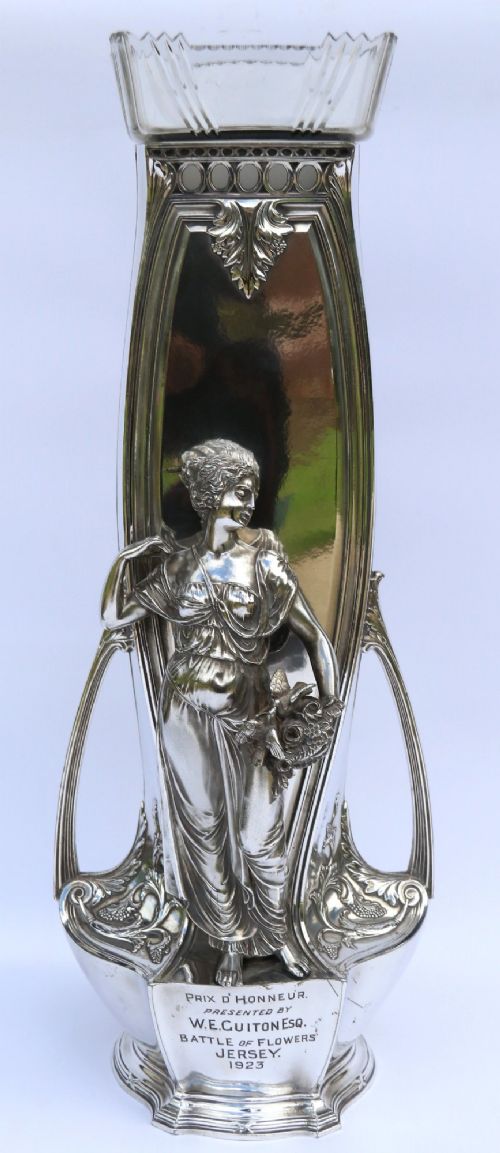
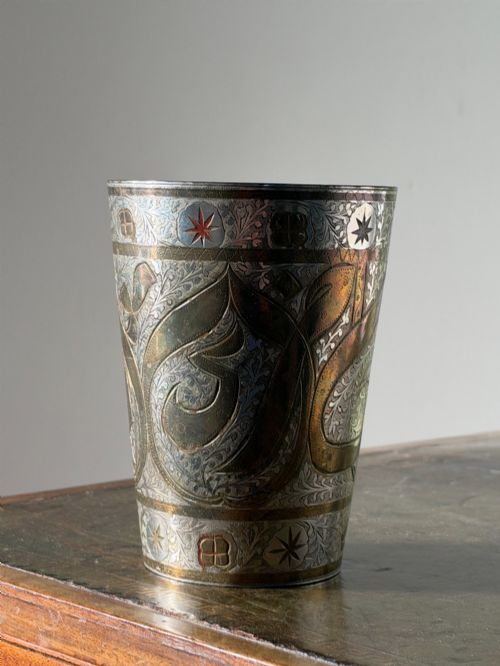
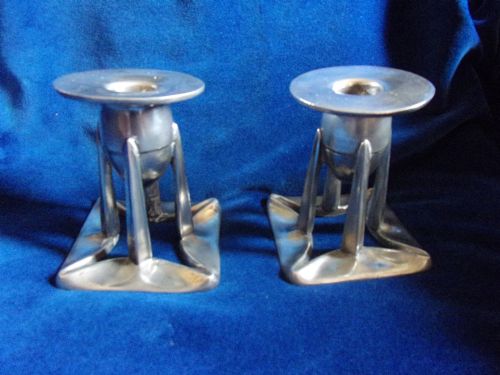
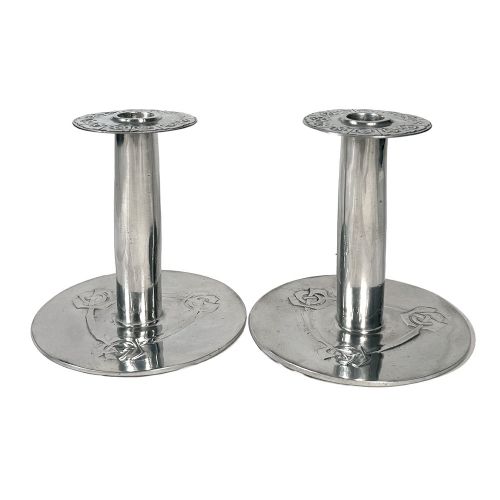
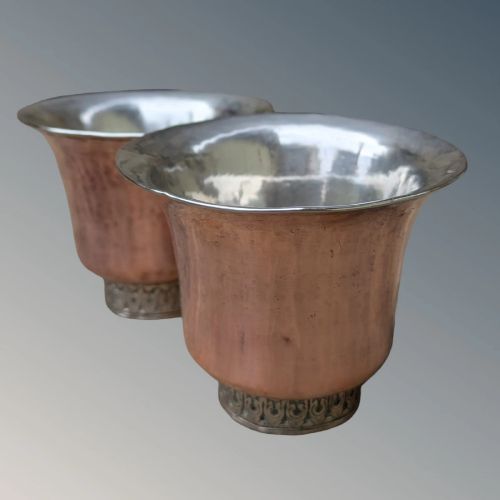
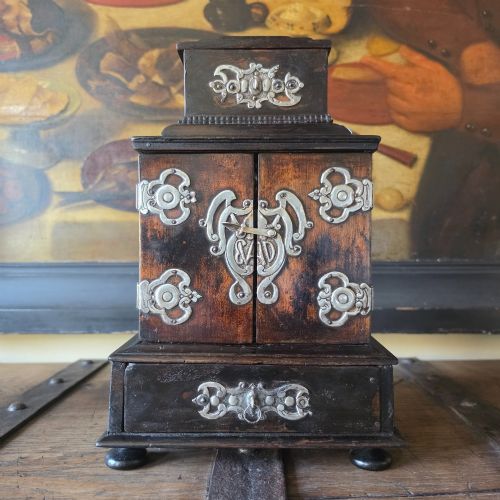
The selection ranges widely in form, including candlesticks, vases, decorative bowls, wall plaques, and occasional tables. Domestic items and display objects dominate the offerings, spanning periods from the eighteenth century through to the 1920s.
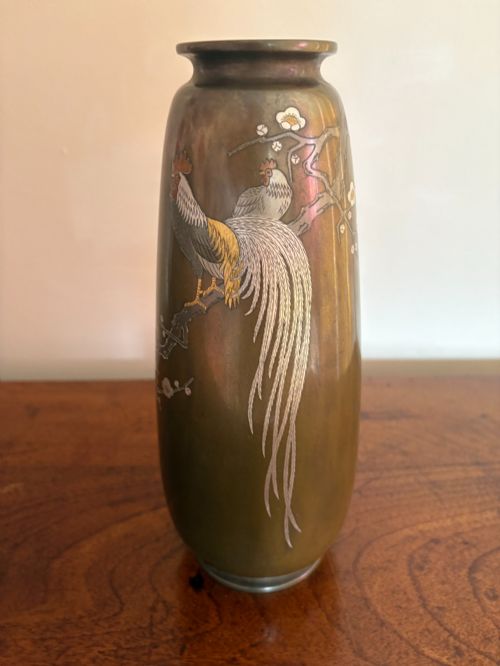
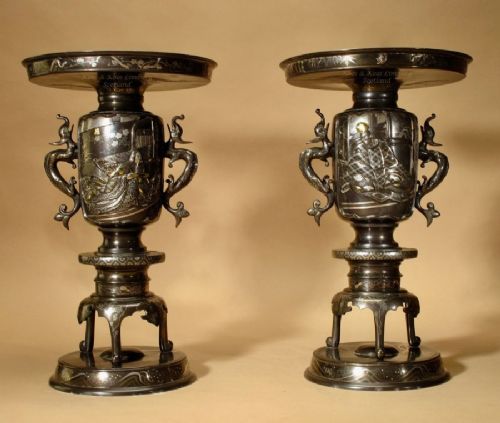
Stylistic influences vary significantly, taking in Art Nouveau, Arts and Crafts, Mamluk Revival, and Japanese Meiji period aesthetics. This mix provides collectors with access to both functional items and pure decorative art objects.
Distinctions in quality
Quality in these pieces rests upon the precision of the hand execution, the clarity of chased or engraved lines, and the integrity of the metal combinations. Superior examples display crisp detail in high-relief elements and secure, well-fitted metal inlays.
The reputation of the maker or workshop also influences distinction, with documented pieces by notable designers commanding greater recognition. Material weight, finish durability, and the preservation of original patination further differentiate standard items from exceptional works.
Silver Metalwork Retail Price Guide 2026
Typical asking prices for silver metalwork among the pieces listed under this phrase on Sellingantiques today, from the lower quarter to the upper quarter. They describe what is for sale here now, not the wider market.
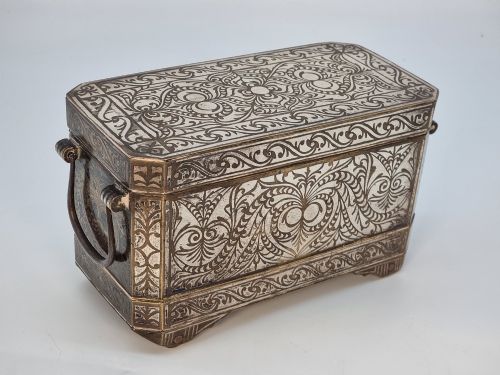
Betel boxes and tobacco pouches remind us that historic artisans put just as much intricate silver inlay into small daily habits as they did into grand vases.
Fabergé·Liberty and Co·Archibald Knox·Oliver Baker·Argentor
The Silver Metalwork Glossary
- Repoussé
- A metalworking technique where the artisan hammers the metal from the reverse side to form a raised design on the front. This method creates tactile, three-dimensional surface decoration on vessels and plaques.
- Cairo Ware
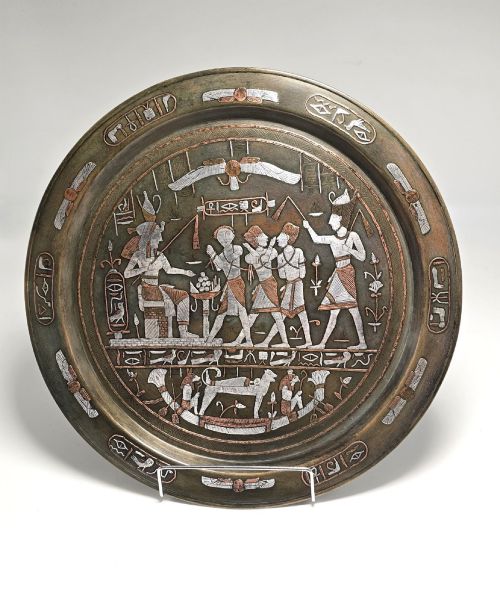
- A specific style of nineteenth-century metalwork originating in Egypt, characterised by brass or copper bodies heavily inlaid with silver and gold wire in intricate geometric and Islamic patterns.
- Tudric
- The trade name used by Liberty & Co for their range of pewter ware produced during the early twentieth century. These pieces frequently embrace Arts and Crafts and Art Nouveau stylistic motifs.
- Silver-gilt
- Silver that has been coated with a thin layer of gold on its surface, often referred to as vermeil. This treatment provides the lustre of gold combined with the structural properties of silver.
Silver Metalwork: Frequently Asked Questions
What is silver metalwork?
Silver metalwork refers to decorative and functional objects fashioned from silver, silver plate, or base metals embellished with silver elements. The category includes hollowware, decorative boxes, and wall plaques.
Items span various global traditions and historical periods, showcasing techniques like inlay, casting, and repoussé decoration.
How do I care for antique metalwork?
Care depends heavily on the specific metal composition and whether the piece retains a deliberate patinated finish or protective plating. Gentle dusting with a soft, dry cloth is generally recommended to preserve the surface.
Avoid aggressive metal polishes on patinated bronzes, inlaid copper, or plated surfaces, as these substances can strip away historic finishes and delicate highlights.
How can I identify the period?
Dating relies on stylistic markers, manufacturing techniques, and any accompanying hallmarks or workshop stamps. Art Nouveau and Arts and Crafts pieces typically date around the nineteen-hundreds, while revival styles often mimic earlier Middle Eastern or Asian aesthetics.
Comparing the construction methods, such as casting seams or inlay precision, helps narrow down the era of production.
Where were these pieces made?
These pieces originate from diverse international workshops across Europe, the Middle East, and Asia. British and continental European studios produced substantial amounts of Arts and Crafts and Art Nouveau items, alongside specialised workshops in Damascus, Cairo, and Japan.
Each region utilised distinct regional materials and decorative vocabularies unique to their local crafting traditions.