



Silver Metal Serving Tray
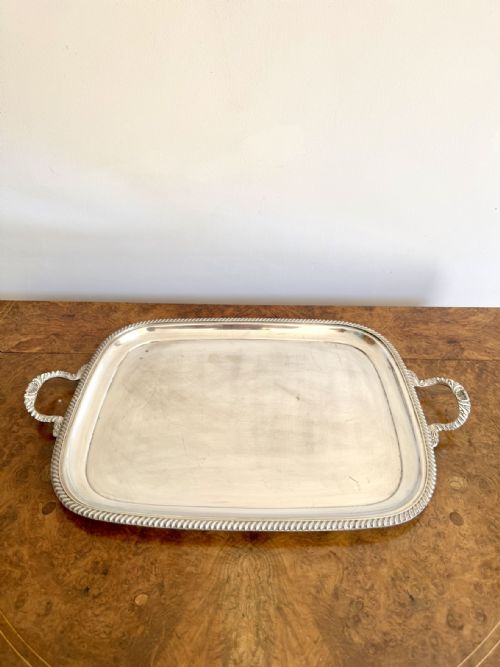
A silver metal serving tray brings weight and shine to a table, moving effortlessly from afternoon tea to an evening cocktail hour.
Silver Metal Serving Tray
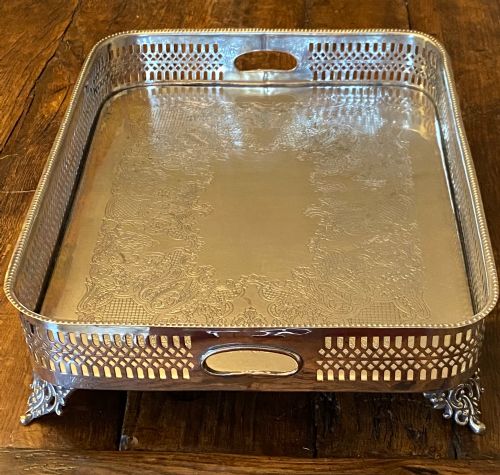
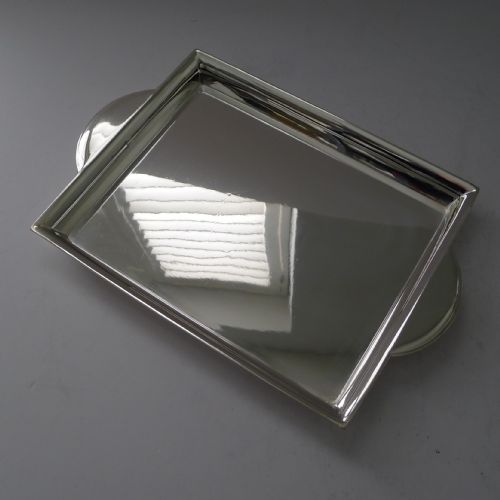
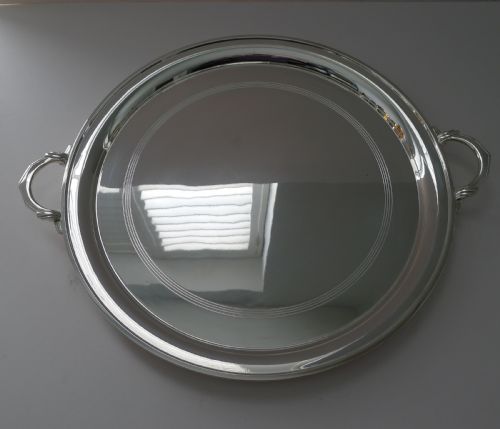
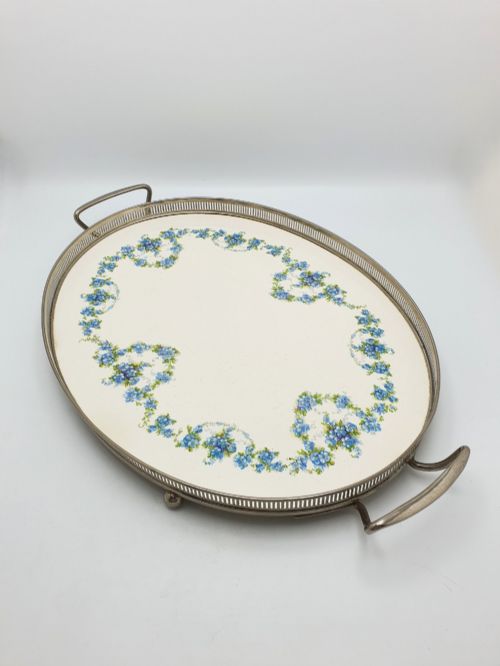
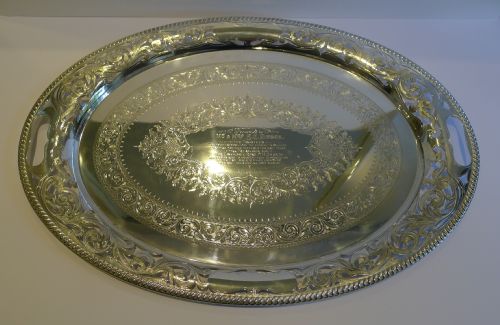
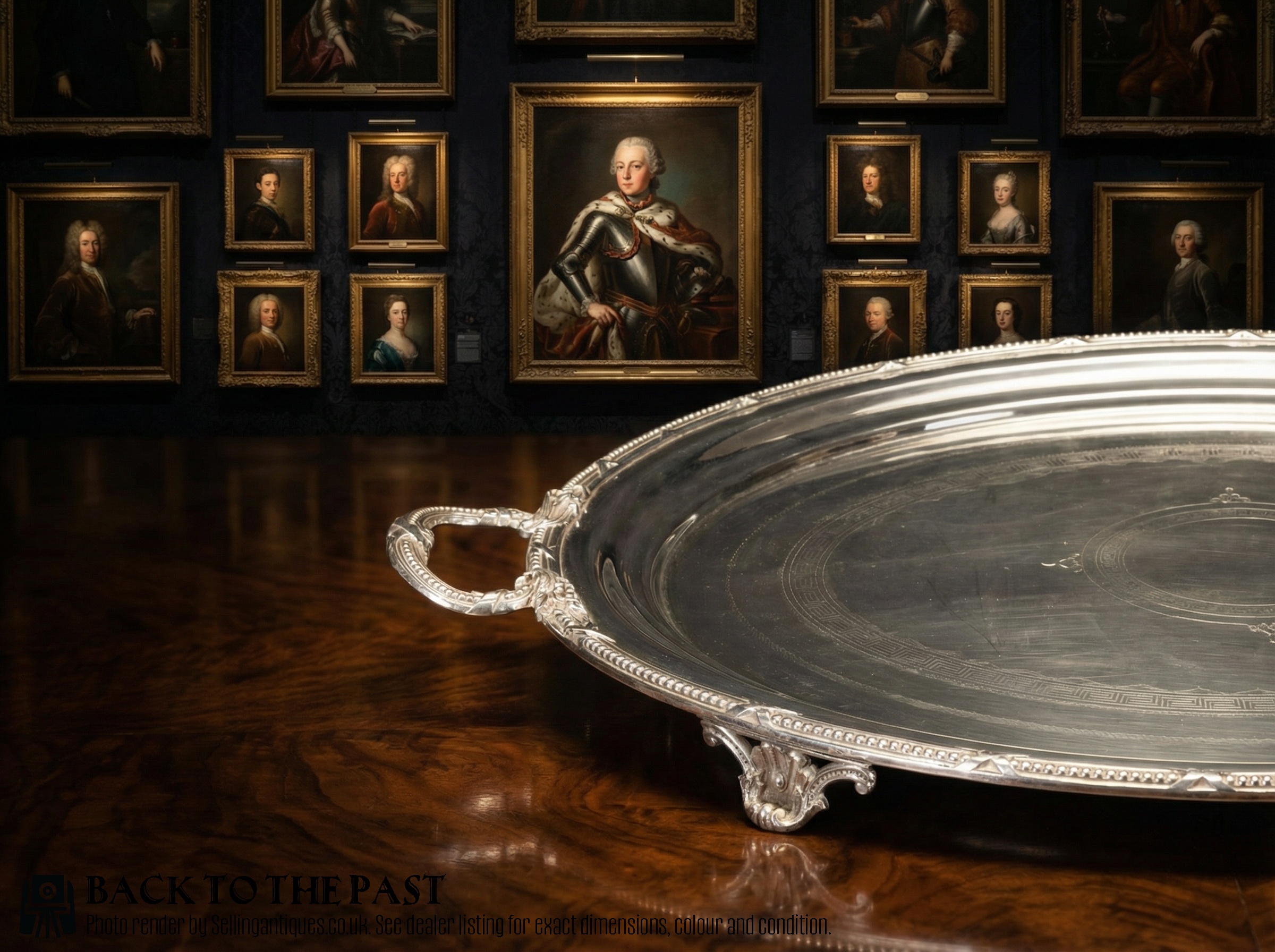
A silver metal serving tray encompasses a wide array of domestic metalwork designed for carrying, presenting, and serving food and drink. The selections gathered here span from the nineteenth century into the twentieth, taking the form of round salvers, oval platters, cocktails trays, and deep dishes.
Most examples encountered on this page rely on silver plate, electroplated nickel silver, or old Sheffield plate applied over a base metal such as copper or nickel. Alongside these plated surfaces, one finds pieces forged from solid pewter, hammered copper, and even ceramic elements set within metal mounts.
Stylistic influences range widely across the periods represented, moving from ornate Victorian and Rococo Revival flourishes to clean geometric lines of Art Deco and the distinct textures of Arts and Crafts design. Continental, Indo-Persian, and Egyptian origins also appear, offering varied regional interpretations of the serving tray.
How they were made
Makers utilised base metals like copper, nickel silver, and pewter as the structural core for plating techniques. Old Sheffield plate involved fusing a thin sheet of silver to a thicker copper ingot, while later electroplating methods used electrical currents to bond silver coatings onto base metals.
Surface decoration required skilled handwork such as piercing, repoussé, engraving, and hammering. Artisans shaped raised rims, applied cast shell or floral borders, and worked detailed motifs directly into the metal surface using punches and chisels.
Silver Metal Serving Tray Retail Price Guide 2026
Typical asking prices for silver metal serving tray among the pieces listed under this phrase on Sellingantiques today, from the lower quarter to the upper quarter. They describe what is for sale here now, not the wider market.
The listings span multiple eras from the mid-nineteenth century through the 1930s, featuring silver plate, copper, pewter, and ceramic elements.
What varies in quality
Quality rests upon the crispness of the raised borders, the weight of the metal blank beneath the plating, and the precision of any engraved or pierced decoration. Thicker foundational metal prevents warping and keeps the tray stable under the heavy load of a full tea service or glassware.
The integrity of the surface finish marks another distinction, separating standard production items from pieces bearing maker attributions and refined hand-chased detailing. Maker marks from established firms indicate higher standards of workshop execution and material selection.
Mappin And Webb·Hukin And Heath·John Collyer And Co·Frank Cobb And Co·J H Potter
The Silver Metal Serving Tray Glossary
- Electroplated Nickel Silver
- A base alloy of copper, nickel, and zinc coated with a layer of pure silver through an electrolytic process. This technique became widespread during the nineteenth century for producing durable domestic tableware.
- Old Sheffield Plate
- An early method of fusing a thin sheet of silver to a copper core before rolling them into sheets together. This process creates a distinctive warm tone where the underlying copper sometimes subtly shows through at high wear points.
- Repoussé
- A metalworking technique where an artisan hammers the design from the reverse side to form raised relief patterns on the front. It is frequently paired with chasing to refine fine details on trays and chargers.
- Salver
- A flat tray typically supported by feet, traditionally used for presenting letters, glasses, or visiting cards. In the evidence, salvers often feature highly engraved surfaces and raised detailed rims.
- Reticulated
- Decorated with an openwork pattern of pierced geometric or floral holes. This technique lightened the visual weight of large serving trays while displaying intricate craftsmanship.
Silver Metal Serving Tray: Frequently Asked Questions
How do I clean a silver plated tray?
Use a soft cloth and a specialised silver cream designed for plated items to remove tarnish gently. Avoid harsh abrasive pads or chemical dips that can strip the thin silver layer.
Wash the tray in warm soapy water immediately after use and dry it thoroughly with a soft towel to prevent water spots from forming on the metal surface.
Can I use these trays for serving food?
Most of these pieces served historical roles in afternoon tea, cocktail presentation, or dining rooms, making them suitable for dry foods, fruits, or bottled beverages. Acidic foods should not sit on silver plated or pewter surfaces for extended periods to protect the metal.
Ensure the tray is stable and clean before loading glassware or serving items onto the surface.
What is the difference between silver plate and solid silver?
Silver plate consists of a thin layer of pure silver bonded to a base metal core such as copper, nickel silver, or brass. Solid silver items are made entirely of precious silver alloy throughout their structure.
Plated items offer the bright appearance and weight of silver at a more accessible domestic scale.
How can I identify the date of a tray?
Examine the stylistic cues, such as the geometric symmetry of Art Deco pieces or the ornate floral flourishes typical of Victorian design. Maker marks stamped into the underside often provide clues to active workshop dates.
Materials also help narrow the timeline, as early fusion plating methods differ distinctively from twentieth-century electroplating techniques.