





Silver Metal Pot
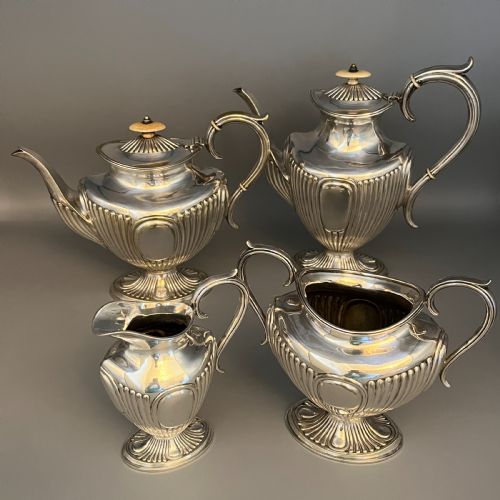
These pieces sold as a silver metal pot encompass plated tea services, old Sheffield plate, and mixed metal vessels that bring genuine period weight to a table.
Silver Metal Pot
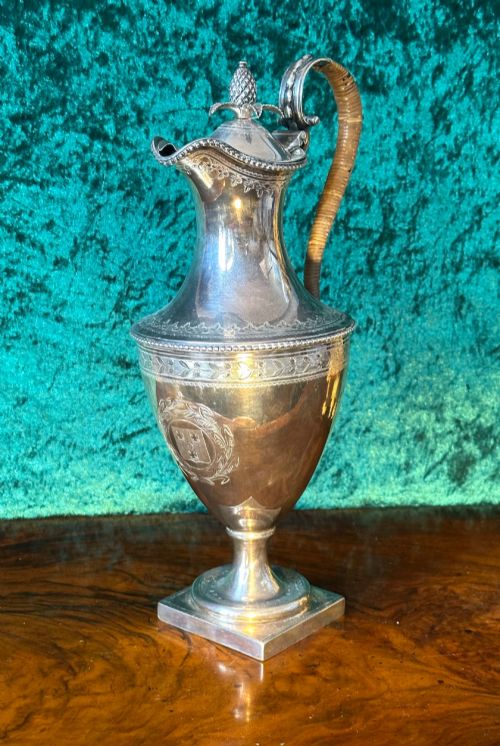
A silver metal pot covers a wide range of domestic and decorative vessels encountered on this page, stretching from Georgian ewers and eighteenth-century old Sheffield plate coffee pots to Victorian tea sets and Edwardian biscuit barrels with plated mounts.
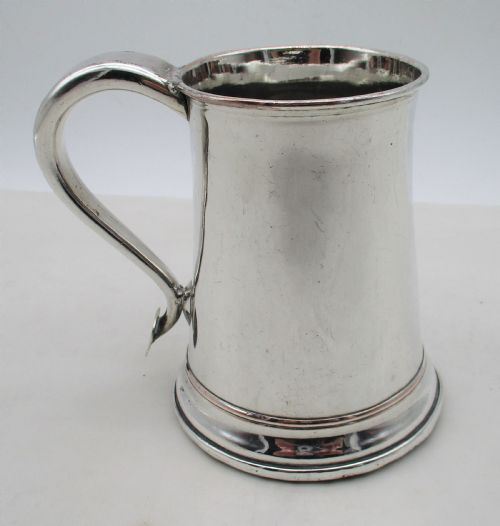
Buyers will most frequently meet silver plate and old Sheffield plate forms, alongside occasional bronze brush pots and pewter novelties originating from periods spanning the eighteenth century through to French modernist pieces of nineteen-sixty.
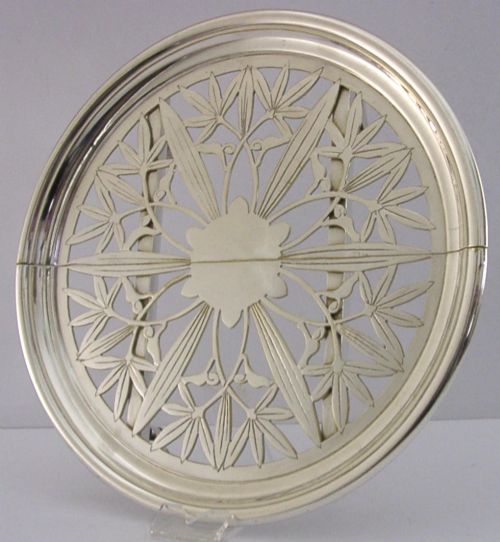
The assortment includes tea services, coffee pots, trivets, serveware, and inkwells, reflecting domestic habits from regency dining rooms to art deco interiors.
Materials and construction
Construction relies heavily on silver plating over base metals, old Sheffield plate fusion methods, and cast or beaten bronze and pewter, often combined with cranberry glass, ebonised wood, wicker, or copper.
Makers utilised traditional smithing and plating techniques to fuse thin sheets of silver onto copper cores, or cast sculptural forms in bronze and pewter for decorative items like brush pots and pepperettes.
Silver Metal Pot Retail Price Guide 2026
Typical asking prices for silver metal pot among the pieces listed under this phrase on Sellingantiques today, from the lower quarter to the upper quarter. They describe what is for sale here now, not the wider market.
One cheerful hound pepperette stands ready to guard the dining table in solid pewter.
Assessing quality
Quality reveals itself in the crispness of chased or engraved ornament, the weight and balance of handle attachments, and the integrity of the underlying metal beneath the plating.
Pieces bearing specific maker marks or originating from recognised workshops display superior finishing in joints and mounts compared to unmarked domestic wares.
Walker and Hall·Boardman Glossop and Co·Maurice Dufrene
The Silver Metal Pot Glossary
- Old Sheffield Plate
- A method of fusing a thin sheet of silver to a thicker copper core by heat and pressure. This technique creates a distinctive edge where the copper base becomes visible through wear.
- Silver Plate
- A thin layer of silver applied to a base metal substrate such as brass, copper, or Britannia metal. It offers the appearance of solid silver at a different scale of weight and cost.
- Meiji Period
- The era in Japanese history spanning eighteen sixty-eight to nineteen twelve, noted here for mixed metal and bronze decorative brush pots. These items combine diverse metallic alloys for contrasting colour effects.
- Cranberry Glass
- A rich pinkish-red glass produced by adding gold chloride to the molten batch. It frequently appears mounted in silver-plated frames for biscuit barrels and table ware.
Silver Metal Pot: Frequently Asked Questions
What is old Sheffield plate?
Old Sheffield plate is an early form of plated metal created by fusing silver to a copper ingot before rolling them into sheets. This process produces a material with unique weight and patination.
Over decades of gentle polishing, the underlying copper occasionally shows through at high points, which collectors value as a sign of authenticity.
How do I clean a plated pot?
Cleaning requires a soft cloth and a gentle silver cream formulated for plated items. Avoid harsh dips that strip thin metallic layers.
Regular, light dusting preserves the surface better than aggressive scrubbing which damages vulnerable plate and highlights base metals.
Are these pots made of solid silver?
Most pieces listed here consist of silver plate, old Sheffield plate, pewter, or bronze rather than solid precious metal. Manufacturers used these base materials to achieve domestic utility at a accessible weight.
Checking hallmarks and weight helps determine whether a vessel is plated or solid.
How do I date an antique pot?
Dating relies on stylistic markers such as regency lines, art nouveau curves, or art deco geometric forms. Maker marks and manufacturing techniques also provide clues.
Comparing handle construction, mounting styles, and associated glass types helps narrow down the period of production.