


Silver Metal Pendant
A silver metal pendant brings a distinct brightness to a room, drawing the eye upwards with its polished or patinated finish.
Silver Metal Pendant
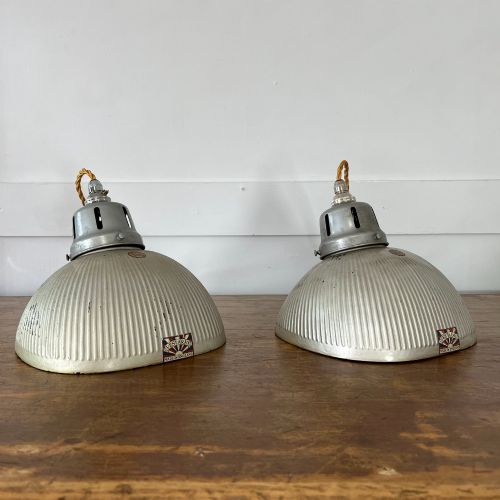
A silver metal pendant search typically reveals hanging ceiling lights, lanterns, and chandeliers rather than small neck ornaments, reflecting the broader application of the term in historical lighting. The pieces on this page span the nineteenth century, Victorian era, and twentieth-century decades including 1910, 1920, and 1930.
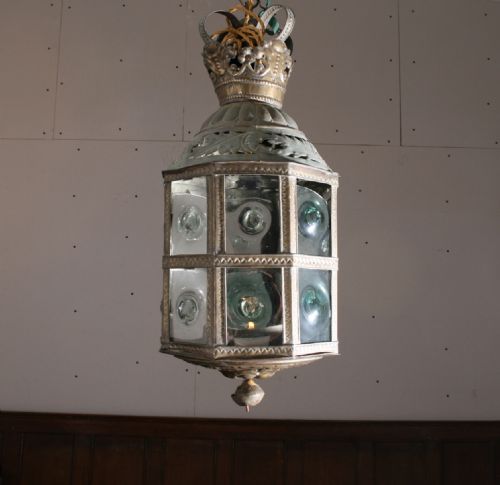
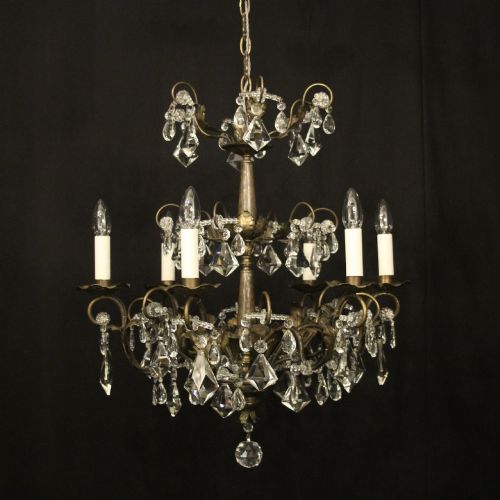
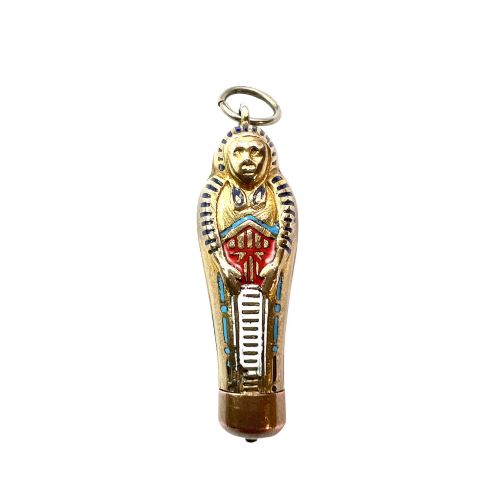
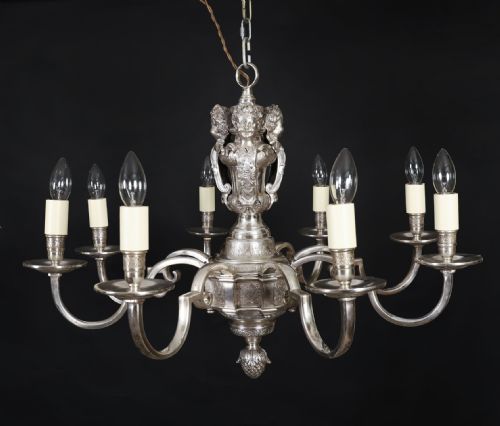
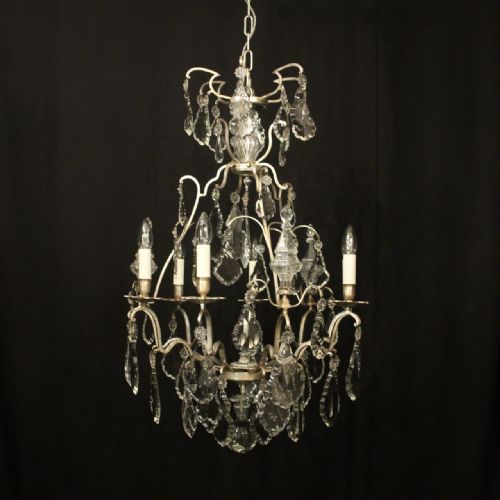
The selection ranges from French chateau and neoclassical styles to Art Deco and mid-century industrial designs. Forms include single light hall lanterns, large multi-arm chandeliers, and novelty items such as propelling pencil pendants.
Buyers will encounter various interpretations of silver metal, alongside related materials like silver plate, gilt metal, steel, brass, and crystal. These objects originate from English, French, and Italian workshops across different historical periods.
Materials and construction methods
Items listed employ a combination of metals such as steel, brass, and silvered metal, often paired with hand-blown glass, bulls eye glass, or cut crystal. Workshops utilised plating and gilding techniques to coat base metals, creating reflective surfaces for interior illumination.
Structural elements involve assembled frames, arms, and chains designed to support multiple lights or single bulbs. Decorative details incorporate enamelling, hand-blown glass panels, and intricate bronze or brass mountings.
Listings feature items from the 19th Century, Victorian period, 1910, 1920, and 1930, utilising brass, glass, crystal, steel, silvered metal, silver plate, and gilt metal.
Distinctions in craftsmanship and form
The degree of hand-finishing in the metalwork and the clarity of the integrated crystal or hand-blown glass distinguish individual pieces. Elaborate casting, gilding, and structural complexity across multi-arm chandeliers set them apart from simpler utilitarian lanterns.
The integrity of the original plating or gilding and the preservation of authentic period components dictate the character of each light. Pieces combining steel, brass, and crystal demonstrate varied levels of architectural ambition by the maker.
The Silver Metal Pendant Glossary
- Pendant light
- A light fixture suspended from the ceiling by a chain, cord, or metal rod. These fixtures hang downward to illuminate specific spaces within a room.
- Chatelaine
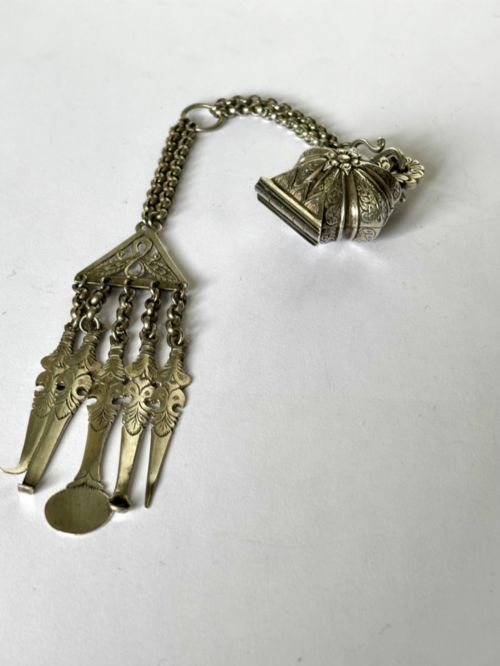
- A decorative belt hook worn with a series of suspended tools and accessories. Victorian examples often held items like vinaigrettes and hanging implements.
- Bulls eye glass
- A type of thick, round glass lens with a central bulge, historically produced by glassblowing. It creates distorted, textured light effects in lanterns.
- Vinaigrette
- A small ornamental box containing a sponge soaked in aromatic vinegar. These were carried during the Victorian period to mask unpleasant odours.
- Corona light
- A circular metal crown or ring holding multiple candles or lamps. This form often appears in Gothic revival ecclesiastical or domestic settings.
Silver Metal Pendant: Frequently Asked Questions
What periods do these pendants come from?
The pieces span the nineteenth century, the Victorian era, and early twentieth-century decades including 1910, 1920, and 1930.
Styles range from Gothic revival and French neoclassical to Art Deco and mid-century industrial designs.
What materials are used in these lights?
Makers utilised silvered metal, silver plate, gilt metal, steel, and brass for the structural frames and decorative mounts.
Many fixtures incorporate hand-blown glass, bulls eye glass, or cut crystal to diffuse and reflect the light.
How were lanterns used historically?
Hanging lanterns and hall lanterns provided illumination in entryways, corridors, and large reception rooms. They directed light downward while protecting the flame or bulb from drafts.
Some specialised items like chatelaines and novelty pendants served as personal accessories rather than architectural lighting.
Are these fixtures suitable for modern ceilings?
Many of these hanging lights and chandeliers can be integrated into contemporary interiors with appropriate electrical adaptation. Their suspension design allows them to serve as central focal points in rooms with adequate ceiling height.