





Silver Metal Pedestals
Silver metal pedestals elevate display pieces and serveware across periods from the Georgian era through Art Deco.
Silver Metal Pedestals
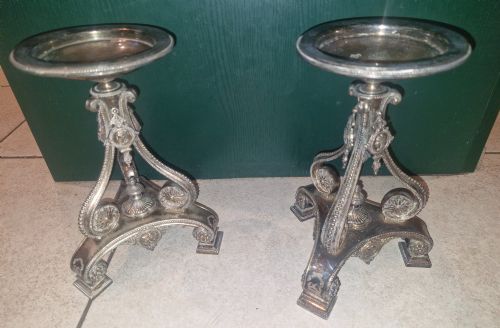
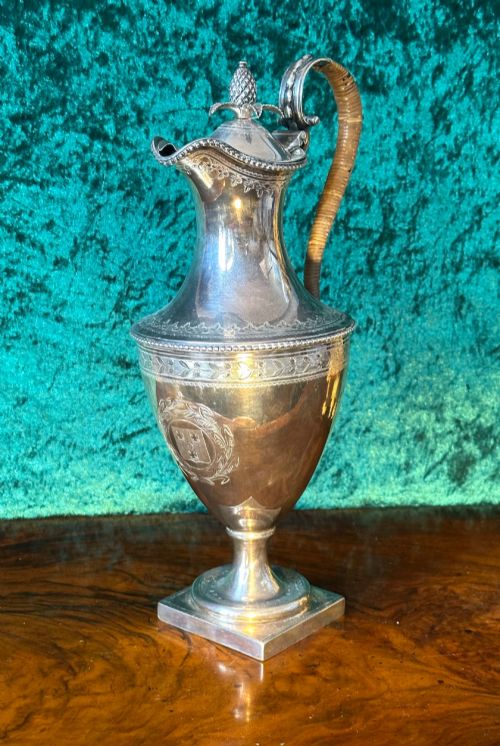
Silver metal pedestals encompass raised stands, bowls, urns, and vases originating from the Georgian, Victorian, Edwardian, and Art Deco periods. These forms elevate decorative objects, fruit, or floral arrangements to create a distinct focal point in a room.
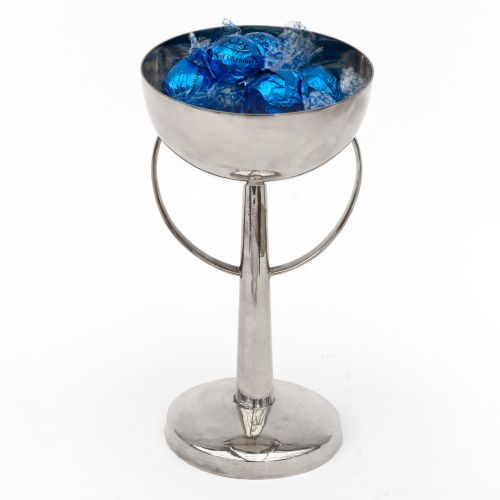
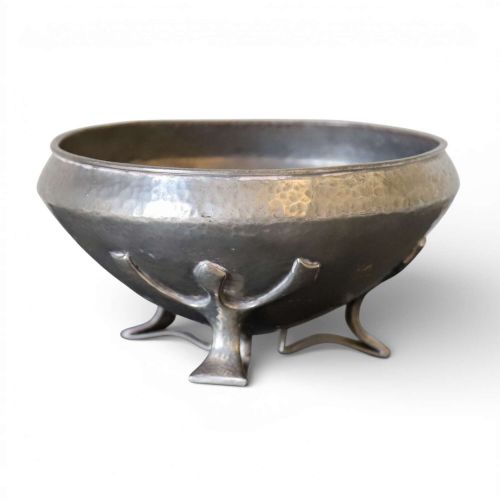
The selections on this page draw from diverse stylistic traditions, including Neoclassical urns, organic Arts and Crafts pewter, and sleek modernist chrome from the 1930s. Buyers will find both paired matching stands and individual statement pieces designed for display.
Origins range across British, French, German, and American workshops, utilising materials that span traditional plated wares to polished white metal and silvered bronze.
Materials and construction
Construction methods rely heavily on plating silver or chrome over base metals, alongside solid pewter, brass, and silvered bronze castings. Old Sheffield plating and standard silver plating techniques provide the lustrous surface finishes seen on earlier Georgian and Victorian vessels.
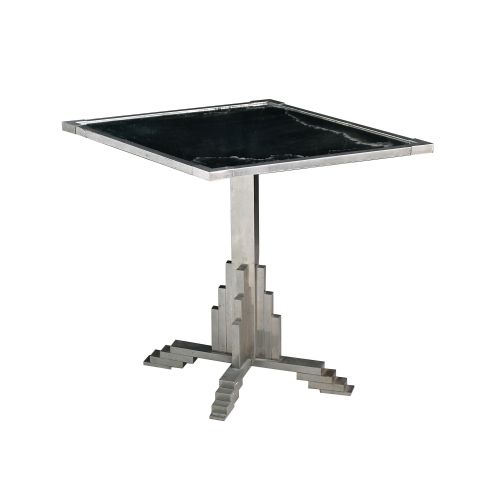
Twentieth-century examples introduce chrome plating and polished white metal, often paired with alternative materials such as glass, parchment leather, or mirrored glass tops. Metalspinning, casting, and hand-finishing shape the distinctive silhouettes of the Arts and Crafts and Art Deco eras.
Silver Metal Pedestals Retail Price Guide 2026
Typical asking prices for silver metal pedestals among the pieces listed under this phrase on Sellingantiques today, from the lower quarter to the upper quarter. They describe what is for sale here now, not the wider market.
Materials represented include traditional silver plate and pewter alongside modern chrome, brass, glass, and silvered bronze.
Assessing quality and execution
Quality in silver metal pedestals is determined by the crispness of cast ornamentation, the integrity of the base metal, and the preservation of the original plated or silvered surface. Finer pieces display sharply rendered neoclassical motifs, organic tendrils, or clean modernist lines without softening from excessive polishing.
The weight of the object and the precision of assembly at joints and pedestal bases further distinguish superior manufacture. Maker execution, particularly in designated works from notable firms and sculptors, elevates the artistic merit of the piece.
Liberty & Co Tudric Pewter·Oliver Baker·WMF·Claire Colinet
The Silver Metal Pedestals Glossary
- Silver plate
- A thin layer of silver applied to a base metal such as copper, brass, or Britannia metal. This technique allowed makers to produce impressive decorative items at a fraction of the cost of solid silver.
- Comport
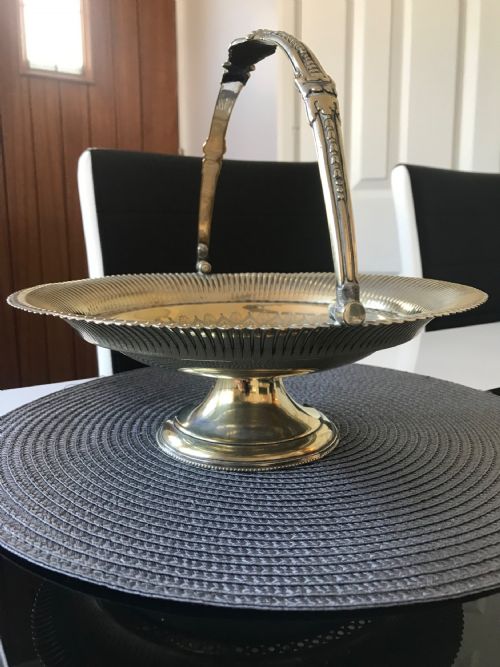
- A decorative dish or bowl raised on a stem and foot, traditionally used for serving fruit or sweets at the table. These elevate table settings and display surfaces.
- Jugendstil
- The German manifestation of Art Nouveau, characterised by flowing organic lines and natural motifs. It flourished around the turn of the twentieth century.
- Silvered bronze
- Bronze cast objects treated with a silver finish to combine the rich detail of bronze casting with the bright appearance of silver. It is frequently seen on French decorative urns and sculptures.
- Old Sheffield plate
- An early method of fusing a thin sheet of silver to a thicker copper core by heat and pressure. This historical technique results in a warm tone as the underlying copper occasionally shows through high points.
Silver Metal Pedestals: Frequently Asked Questions
What is a silver metal pedestal used for?
These elevated vessels serve primarily as decorative accents, centrepieces, or display stands for fruit, flowers, and art objects. Their raised design draws the eye upward and adds architectural interest to a table or mantel.
Historically, specific forms functioned as punch bowls, ice buckets, or ewes for formal dining and entertaining. Today, they remain versatile objects for styling traditional and modern interiors alike.
How do I identify an Art Deco pedestal?
Art Deco pedestals and vessels, typically dating from the 1920s and 1930s, feature geometric lines, smooth chrome surfaces, and streamlined modernist silhouettes. They often embrace industrial materials like polished white metal and mirrored glass.
In contrast to the flowing organic curves of Art Nouveau or the ornate classical revival of the Victorian era, Art Deco prioritises symmetry, stark forms, and bold decorative impact.
How should I clean silver plated metal?
Maintenance depends entirely on the specific metal surface, whether it is silver plate, unlacquered pewter, or modern chrome. Gentle dusting and minimal intervention preserve the original finish and any desirable patination accumulated over time.
Harsh chemical dips or abrasive polishing compounds should be avoided, particularly on plated items, to prevent wearing through the thin outer layer of silver or chrome.