



Antique Silver Plated Pedestals
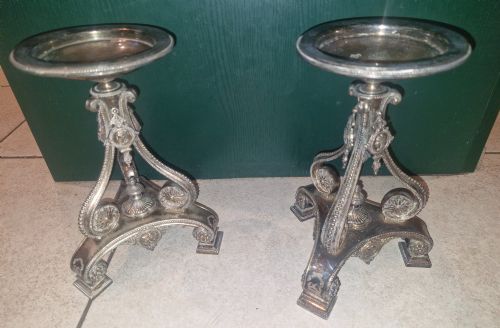
Antique silver plated pedestals elevate fruit, flowers and wine with the heavy presence of the nineteenth and early twentieth centuries.
Antique Silver Plated Pedestals
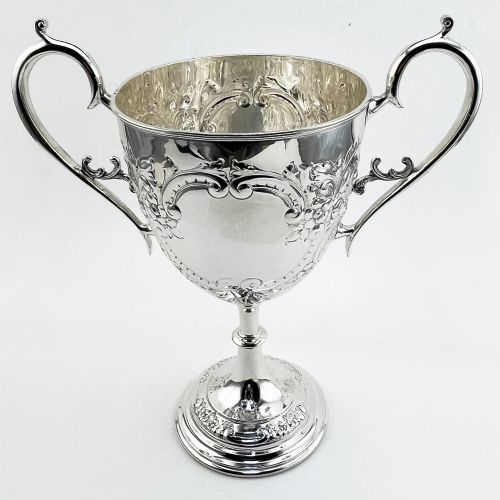
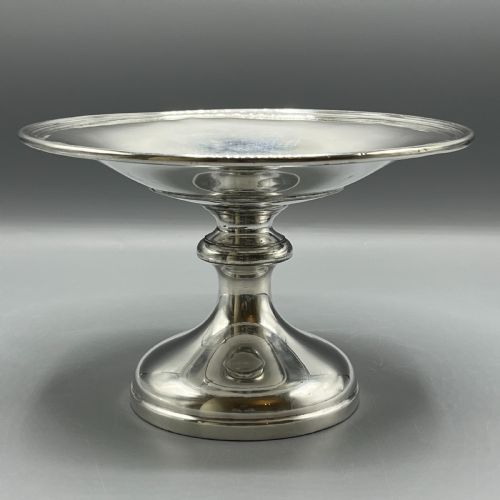
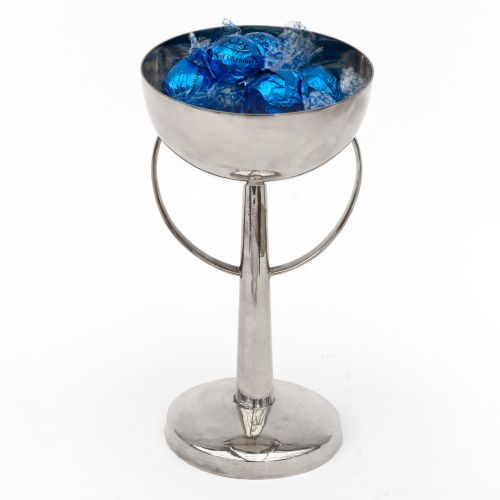
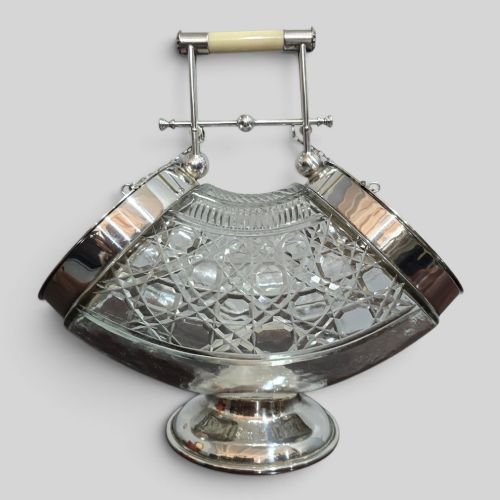
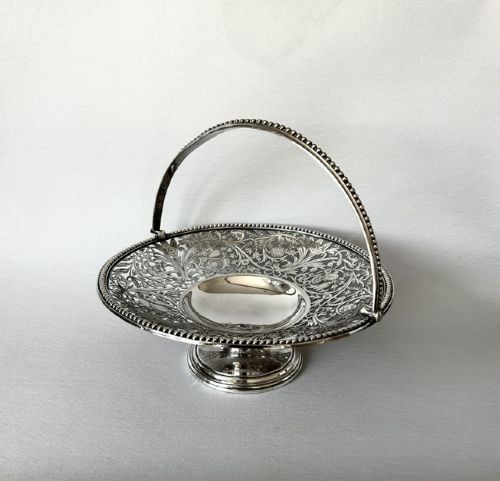
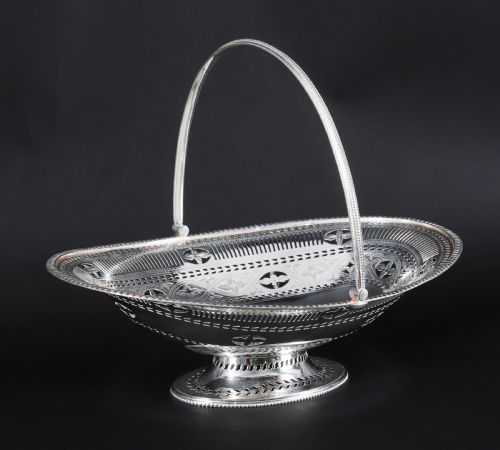
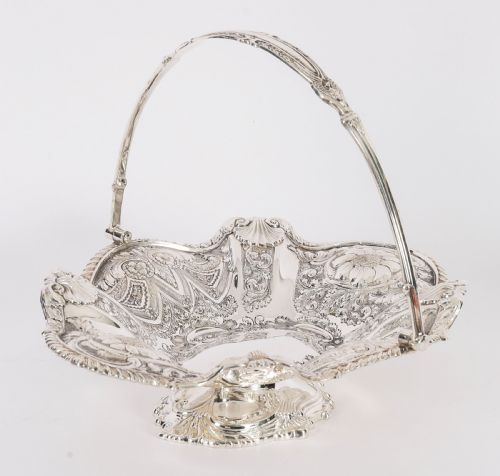
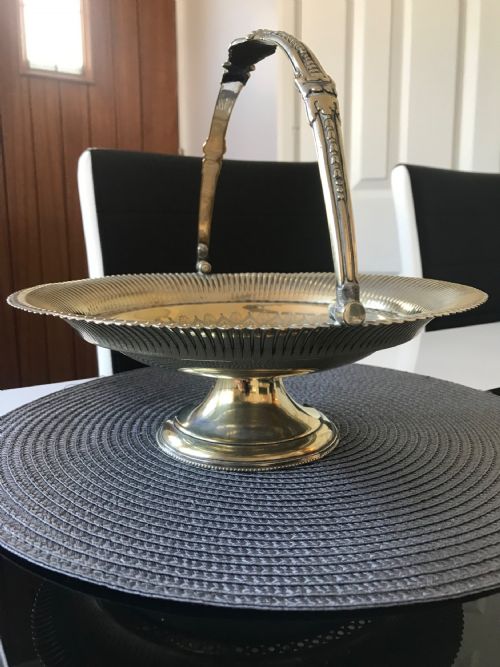
When you search for antique silver plated pedestals, you find elevated display vessels designed to lift food, plants and light above the surface of a table. These pieces range from fruit baskets and tazzas to centrepieces and table lamps resting on raised bases.
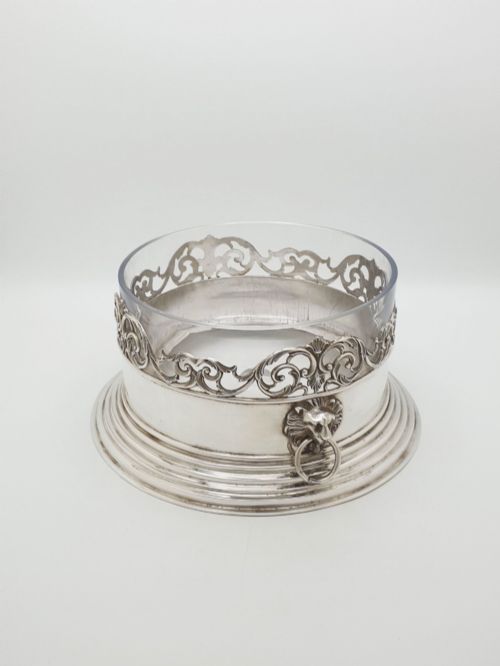
The selections span the nineteenth century into the twentieth, taking in Victorian and Edwardian iterations alongside Art Nouveau and Art Deco designs. Many pieces stand on distinct feet or columns, incorporating glass inserts, copper cores or handles shaped as lion masks.
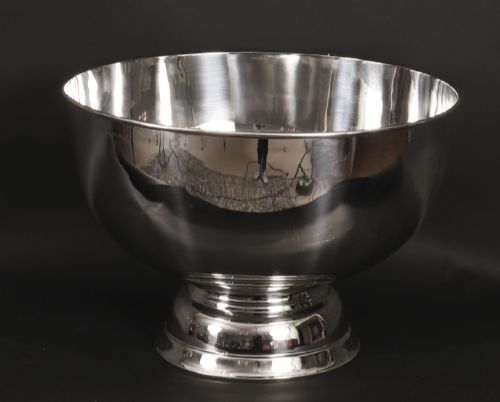
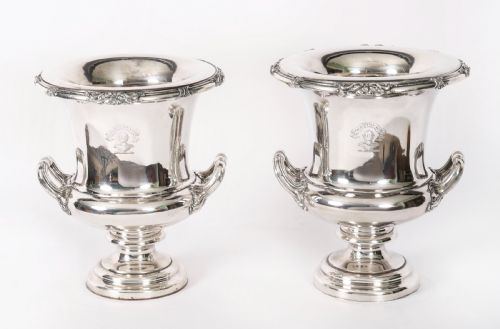
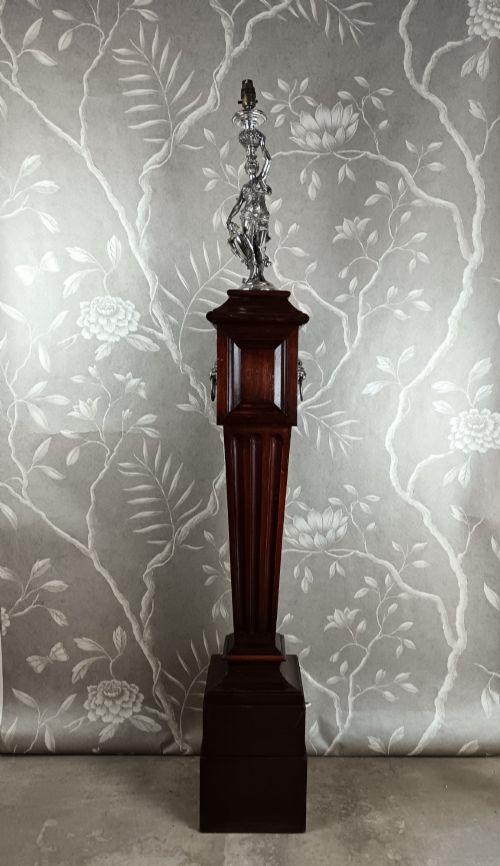
Makers utilised silver plate on copper, electroplated nickel silver and bronze to create substantial display objects for dining rooms and drawing rooms. The forms include pedestal comports, champagne coolers, cake stands and torchere floor lamps.
Materials and Methods
Early items rely on Old Sheffield Plate, a process fusing a thin sheet of silver to a thicker copper ingot before rolling and shaping. Later pieces utilise electroplating, depositing a silver coating onto a base metal such as nickel silver or white metal through an electrical current.
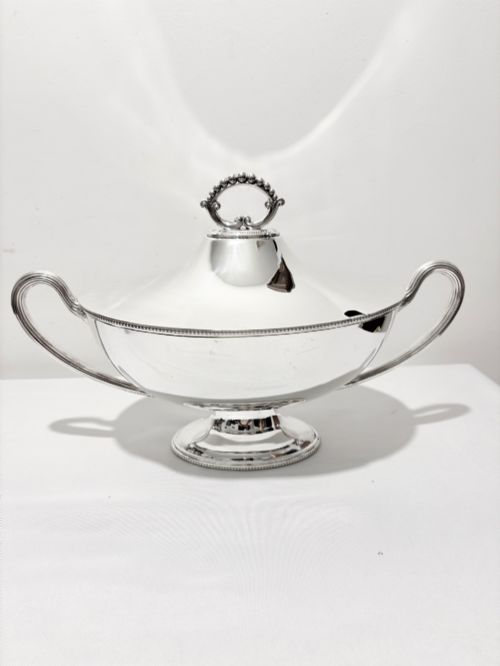
Casting and piercing form the decorative bodies of baskets, tureens and tazzas, allowing makers to achieve openwork fretwork and heavy cast borders. Cut glass inserts and bowls appear alongside bronze frames and copper bodies, combining different tactile surfaces within a single object.
Antique Silver Plated Pedestals Retail Price Guide 2026
Typical asking prices for silver plated pedestals among the pieces listed under this phrase on Sellingantiques today, from the lower quarter to the upper quarter. They describe what is for sale here now, not the wider market.
Listings feature periods spanning the eighteenth century, Georgian era, Victorian period, Edwardian era, Art Nouveau, Art Deco and the twentieth century.
Assessing the Standard
Quality rests upon the weight of the base metal and the thickness of the silver layer applied across high-wear areas. Substantial casting in handles, rims and pedestal feet produces a rigid structure that resists flexing under weight.
Artistic ambition distinguishes standard production from exceptional work, visible in crisp chased detail, balanced proportions and integrated ornamentation like cast lion masks or figural statues. Maker attribution to known firms adds clarity to the origin and execution of the piece.
Mappin and Webb·Daniel and Arter·George W. Scott and Sons Ltd·WMF
The Antique Silver Plated Pedestals Glossary
- Old Sheffield Plate
- A precursor to electroplating created by fusing silver to a copper base. This technique produces a characteristic warm tone where the underlying copper occasionally shows through high points.
- Electroplated Nickel Silver
- A base metal alloy of copper, nickel and zinc coated in silver through an electrical bath. This method replaced Old Sheffield Plate during the nineteenth century.
- Tazza
- A shallow bowl or dish raised on a pedestal foot. These pieces function as fruit comports or display dishes on formal dining tables.
- Centrepiece
- A large decorative vessel placed in the middle of a table. They frequently incorporate mirrors, baskets or branches for flowers.
- Old Sheffield
- An early method of fusing silver and copper. It creates durable vessels with distinct edge seams.
Antique Silver Plated Pedestals: Frequently Asked Questions
How do I clean an antique silver plated pedestal?
Use a soft cloth and a gentle silver cleaner formulated for plated items to preserve the remaining silver layer. Avoid abrasive pads or harsh dips that strip the thin metal surface.
Wash the piece in warm soapy water and dry it thoroughly after polishing. Regular light dusting prevents tarnish buildup without requiring heavy chemical cleaning.
Can I use these pedestals for serving food?
Many of these pieces served food historically, including fruit baskets, cake stands, tureens and wine coolers. Ensure the silver plate remains intact on interior surfaces before placing dry items or fruit inside.
Acidic foods and prolonged moisture can harm fragile plating, so line vessels with glass or fabric when serving fresh fruit or desserts. Wash and dry the metal immediately after use.
How do I date a silver plated pedestal?
Examine the manufacturing technique, base metal and style markers to determine the period. Old Sheffield Plate generally indicates an eighteenth or early nineteenth century origin, while electroplated nickel silver points to the mid-nineteenth century and later.
Maker stamps, registry marks and design motifs such as Neo-Classical revival, Art Nouveau or Art Deco narrow the production date. Comparing the construction methods to documented workshop timelines confirms the era.
What is the difference between Old Sheffield Plate and electroplate?
Old Sheffield Plate involves mechanically fusing a sheet of silver to a copper block before hammering or rolling it into shape. This creates a heavy, durable material with a distinct copper edge visible at seams.
Electroplate uses an electrical current to bond a silver coating onto a base metal like nickel silver or brass. This later technique allowed for smoother coverage on complex cast forms and pierced decorations.