



Silver Plated Display Stands
Silver plated display stands bring a gleam to any table, offering sturdy yet ornate staging for flowers, cakes, or treasured objects.
Silver Plated Display Stands
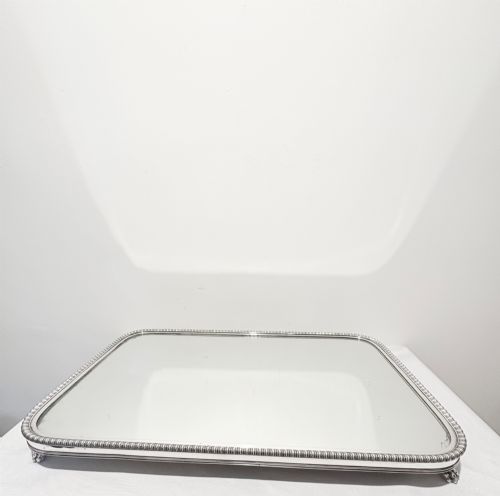
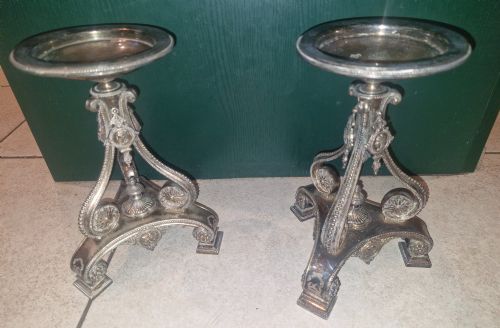
Silver plated display stands encompass a diverse range of decorative items designed to elevate items upon a surface. When searching for silver plated display stands, buyers encounter forms spanning from cake stands and flower pot holders to multi-trumpet epergnes and mirror plateaus. These objects serve both ornamental and functional purposes in entertaining and interior display.
Edwardian examples and pieces from the nineteen twenties dominate the aesthetic variety here, often pairing reflective silver plate with cut glass inserts or ebonised wood. Buyers frequently find stands intended specifically for wedding displays, floral arrangements, or table centrepieces. Each period brings its own characteristic weight and decorative vocabulary to the metalwork.
Materials and construction
The foundation of these pieces relies heavily on base metals coated with a layer of silver, utilising techniques such as electroplated nickel silver or the earlier Old Sheffield Plate method. This combination provided the lustre of solid silver without the prohibitive cost. Ebonised wood and cut glass frequently accompany the metalwork, adding textural contrast to the shiny surfaces.
Manufacturing methods evolved from the fused plate techniques of the early nineteenth century to the later electroplating processes standard by the Edwardian era. Glass components were often hand-cut to fit precise silver plated frames, creating secure housings for flowers or food. Detail work in the casting and chasing of the metal gives each stand its distinct profile.
Silver Plated Display Stands Retail Price Guide 2026
Typical asking prices for silver plated display stands among the pieces listed under this phrase on Sellingantiques today, from the lower quarter to the upper quarter. They describe what is for sale here now, not the wider market.
Among the formal tableware sits a detailed miniature model of a Vickers Wellington aircraft rendered in silver plate.
Assessing quality and execution
Quality in silver plated display stands rests upon the crispness of the casting and the durability of the plating over the underlying metal. Finer examples exhibit deep, clear detail in chased borders and structural mounts, whereas lesser pieces show softer contours and worn plating that reveals the base metal beneath. The integration of secondary materials, such as heavy cut glass or fitted ceramic pots, also dictates the overall standard.
The retention of original components, including matching glass trumpets, liners, or presentation boxes, significantly elevates a piece. Stands that retain their structural integrity without excessive wobbling at the joints demonstrate superior initial manufacture and careful subsequent handling.
Elkington·Royal Worcester
The Silver Plated Display Stands Glossary
- Old Sheffield Plate
- A composite material made by fusing a thin sheet of silver to a thicker copper base, common in pieces from the late eighteenth and early nineteenth centuries. This early method creates a warm tone where the copper occasionally shows through at high points.
- Electroplated Nickel Silver
- A modern base metal alloy of copper, nickel, and zinc coated with a layer of pure silver through an electrical process. This technique became the industry standard for silver plating from the mid-nineteenth century onwards.
- Epergne
- A large table centrepiece featuring a central bowl with multiple branching arms and trumpets for holding fruit, sweets, or flowers. These multi-branch vessels were popular dining table ornaments during the Victorian and Edwardian eras.
- Plateau
- A mirrored tray or stand placed in the centre of a dining table to reflect candlelight and display decorative objects or floral arrangements. They often feature an ornate silver plated rim and an ebonised or wooden base.
- Trumpet
- A flared, funnel-shaped glass or metal insert used within epergnes and flower stands to hold stems upright. They screw or slot into a silver plated base.
Silver Plated Display Stands: Frequently Asked Questions
What were silver plated display stands used for?
These stands served a variety of domestic functions, primarily for presenting food, holding floral arrangements, or elevating table decorations during formal meals. Victorian and Edwardian households utilised epergnes and cake stands to add vertical interest to dining tables.
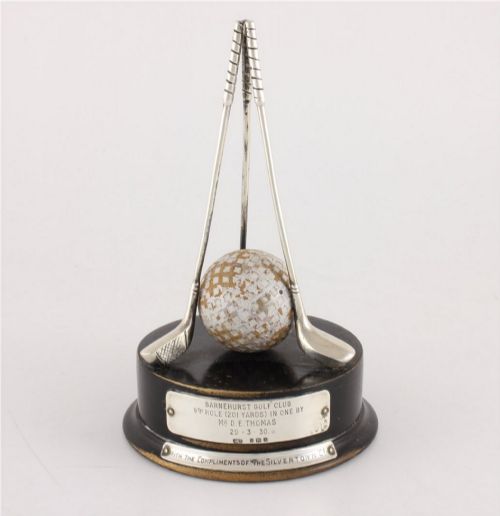
Other variants acted as mirror plateaus to reflect light or served as commemorative trophies for sporting achievements. Their utility lay in combining decorative metalwork with practical display surfaces.
How do I care for silver plated items?
Maintenance requires gentle cleaning with non-abrasive silver polishes and soft cloths to preserve the thin layer of silver over the base metal. Excessive scrubbing will wear away the plating, particularly on raised decorative edges.
Store pieces in dry environments away from direct sunlight and harsh chemicals to slow down the natural tarnishing process. Glass inserts can be washed separately in warm soapy water.
What is the difference between Old Sheffield Plate and electroplate?
Old Sheffield Plate involves physically fusing a sheet of silver to a copper core before rolling it into sheets, a technique used before the mid-nineteenth century. This creates a distinct weight and a characteristic subtle show of copper beneath.
Electroplate uses an electrical current to bond a silver coating onto a base metal alloy, such as nickel silver. This later method allowed for more uniform coverage and sharper stamped details.
Can I use antique epergnes for fresh flowers?
Most glass trumpets and bowls on antique epergnes remain fully waterproof and functional for holding water and fresh stems. Care must be taken when filling them to avoid stressing the older glass or the silver plated mounting collars.
Using floral foam inside the narrowest trumpet sections helps secure heavy stems without putting pressure on the delicate glass walls.