



Silver Matches Container
These silver matches container pieces, known primarily as vesta cases and toothpick holders, offer the pocket-sized luxury that collectors prize for daily carry or display.
Silver Matches Container
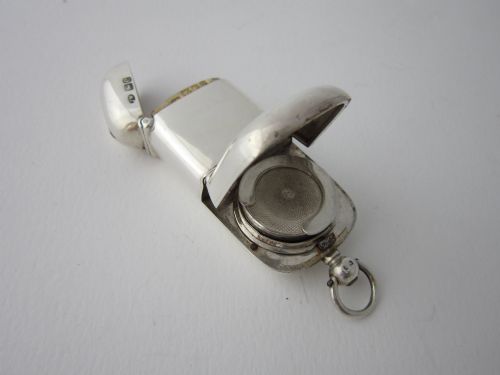
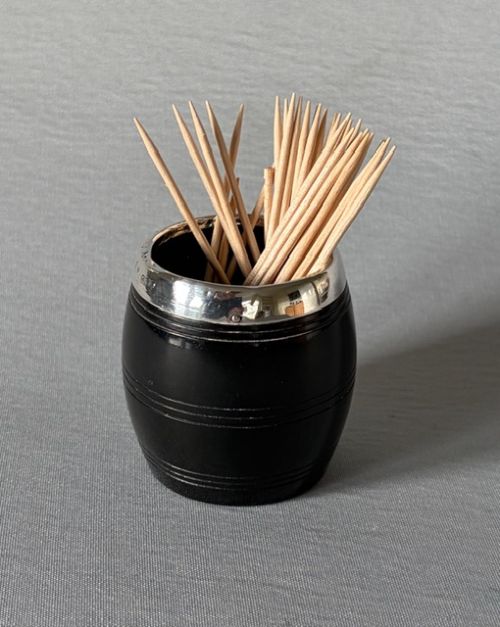
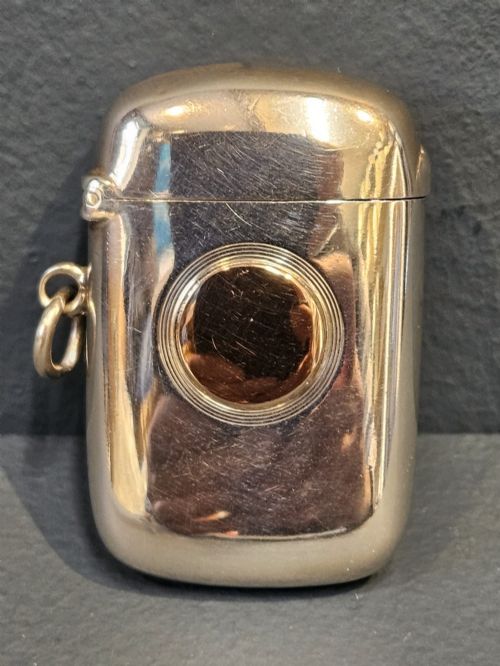
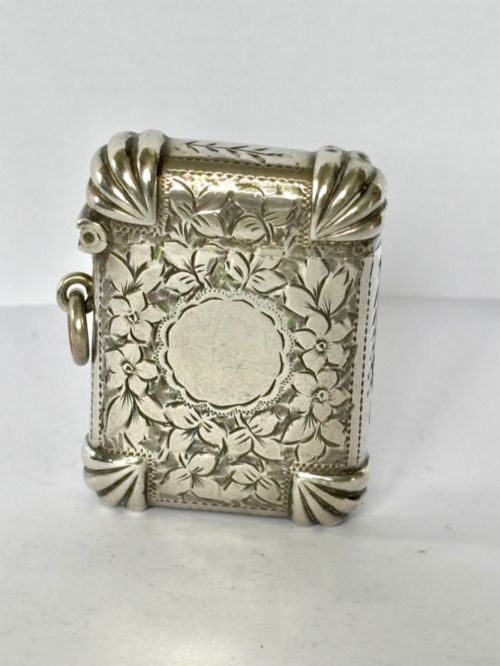
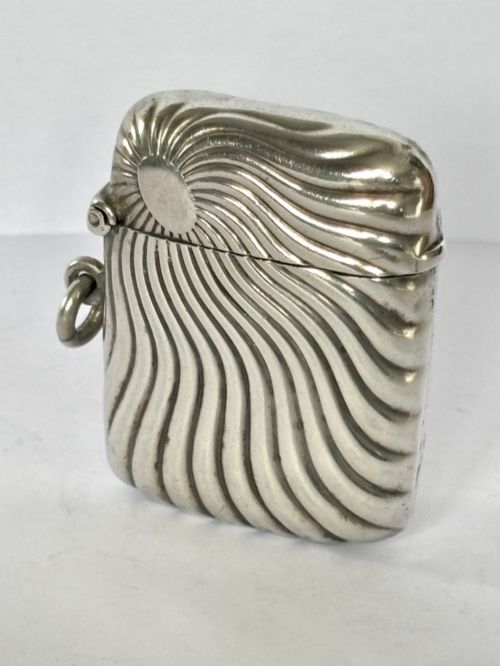
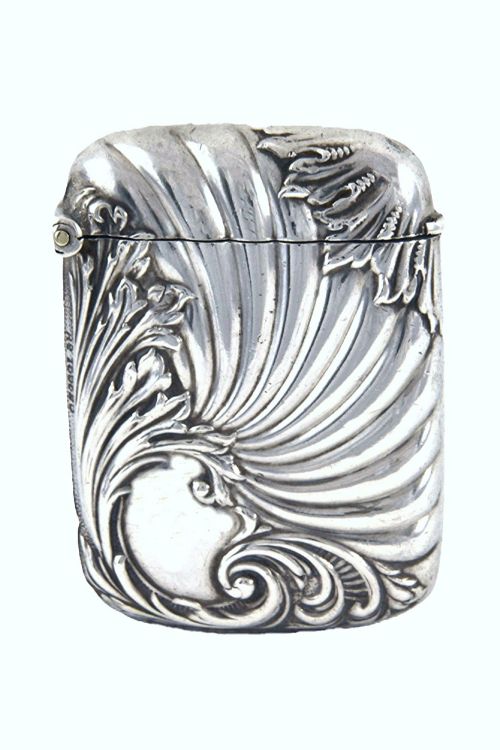
A silver matches container on this page typically takes the form of a vesta case designed to hold matches safely in the pocket or a specialised toothpick holder. These functional small objects date mainly from the Victorian and Edwardian eras, spanning the late nineteenth and early twentieth centuries, alongside occasional mid-century pieces.
The dominant forms are standard rectangular vesta cases and striking novelty shapes including animals like elephants and cats, as well as architectural motifs such as sentry boxes. Makers shaped these items in sterling silver and silver, frequently incorporating vitreous enamel, hand-painted details, and accents of nine-carat gold.
How they were made
Silversmiths utilised sterling silver and solid silver as the primary body materials, often shaping novelty pieces through casting and detailed chasing. The construction includes hinged lids designed to protect matches and integrated strike marks typically placed on the base.
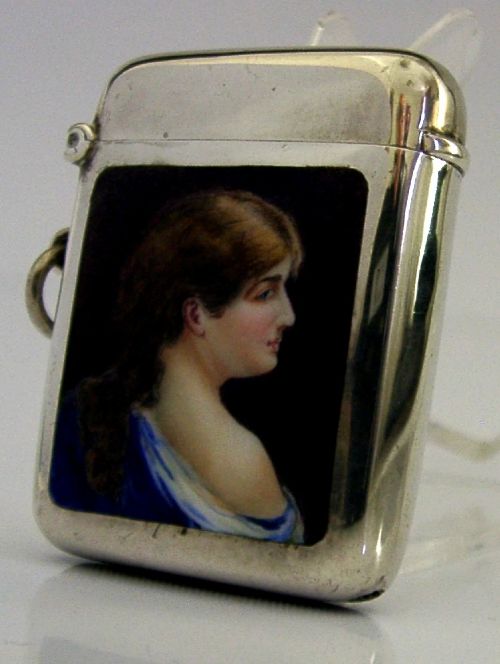
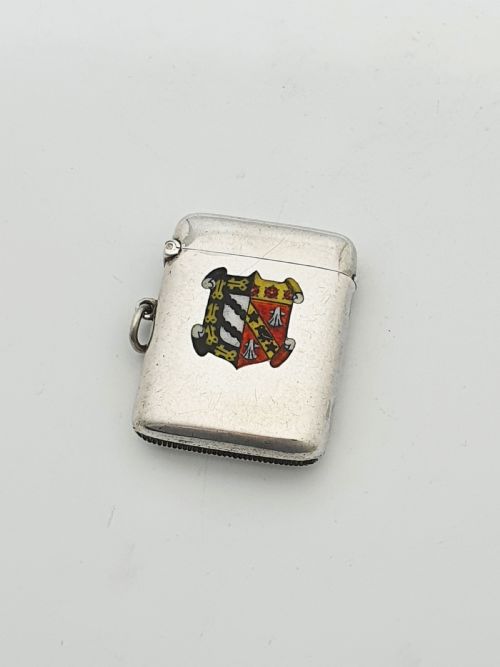
Colour and decoration enter through vitreous enamel and hand-painted enamel crests applied to silver surfaces. Selected pieces also combine contrasting nine-carat gold elements alongside the silver structure.
Silver Matches Container Retail Price Guide 2026
Typical asking prices for silver matches container among the pieces listed under this phrase on Sellingantiques today, from the lower quarter to the upper quarter. They describe what is for sale here now, not the wider market.
Listings feature items primarily from the Victorian and Edwardian periods, constructed in sterling silver, enamel, and nine-carat gold.
What varies in quality
Quality rests significantly upon the crispness of the modelling in novelty shapes, where naturalistic animal forms or architectural subjects demand precise detailing by the silversmith. Plain or engine-turned surfaces depend entirely on the depth and clarity of the pattern.
The integration of enamel work sets distinct tiers of craftsmanship, particularly where hand-painted crests or polychrome enamel sunburst designs are intact and sharply rendered. Maker marks and clear hallmarks also contribute to the distinction of individual pieces.
EV PLEDGE & SON·ROBERT CHANDLER·Sampson Mordan
The Silver Matches Container Glossary
- Vesta Case
- A portable pocket container designed to hold vestas, which were short matches tipped with phosphorus. These cases feature a striking surface on the exterior for igniting the match.
- Vitreous Enamel
- A material made by fusing powdered glass to a metallic substrate through firing at high temperatures. This technique produces a glossy, durable coloured decoration on silver objects.
- Hallmark
- An official stamp applied by an assay office to indicate the purity of the metal, the maker, and the year of production. British silver pieces commonly display these stamps.
- Novelty Vesta
- A container shaped to resemble an animal, figure, or object rather than a standard rectangular box. These functional pieces combine utility with whimsical sculpture.
Silver Matches Container: Frequently Asked Questions
What is a vesta case used for?
A vesta case served as a pocket-sized container for holding safety matches or vestas before the widespread adoption of modern lighters. The textured strike strip on the bottom allowed users to ignite a match safely while on the move.
Victorian and Edwardian gentlemen and ladies carried these containers daily in pockets or attached them to chatelaines. They protected fragile matches from moisture and friction in everyday use.
How do I date a silver vesta?
Dating relies primarily on the legible hallmarks stamped into the silver, which record the assay office, metal standard, and specific year letter. Stylistic cues such as enamel motifs or novelty animal shapes also help assign pieces to the Victorian or Edwardian periods.
Examining the construction of the hinge and the style of the engraving provides additional context. Pieces from the late nineteenth century often display different aesthetic preferences compared to those from the early twentieth century.
What is a novelty vesta?
A novelty vesta is a match container shaped into an imaginative form such as an animal, a boot, or a sentry box. These pieces disguised utilitarian items as miniature sculptures for pocket use.
Craftsmen modelled these containers with hinged heads or secret compartments to conceal the match opening. Collectors value them for their sculptural wit and technical ingenuity.
How should I clean silver match holders?
Cleaning requires a soft microfibre cloth and gentle handling to preserve the original silver polish and any antique hallmarks. Enamelled sections require particular care to avoid harsh abrasives that could scratch the glass surface.
Polishing pastes should be used sparingly, keeping them away from recessed crevices and painted enamel details. Regular light dusting maintains the natural lustre without wearing down the metal.