
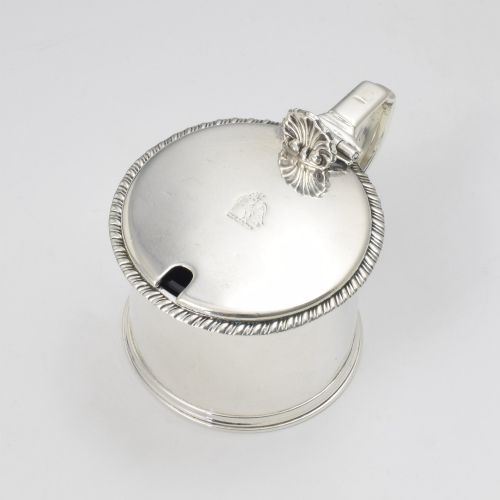

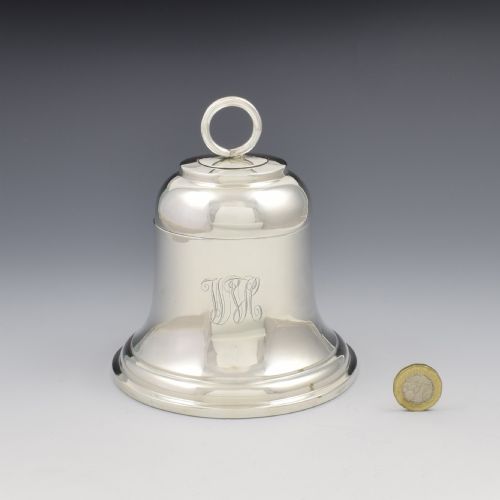

Silver Lidded Pot
A silver lidded pot offers a neat way to hold everything from dressing table powder to mustard at the dining table.
Silver Lidded Pot
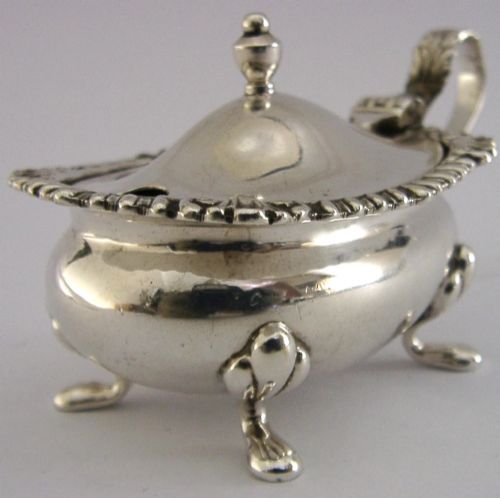
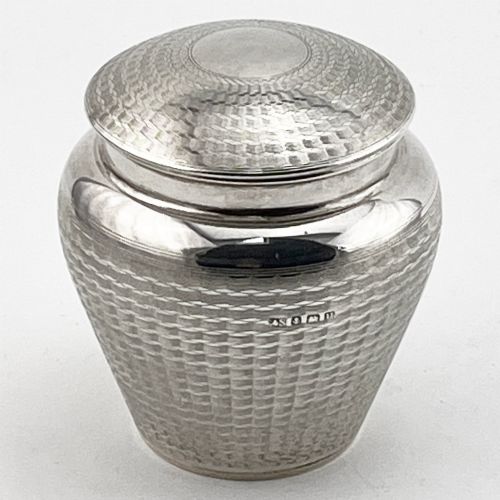
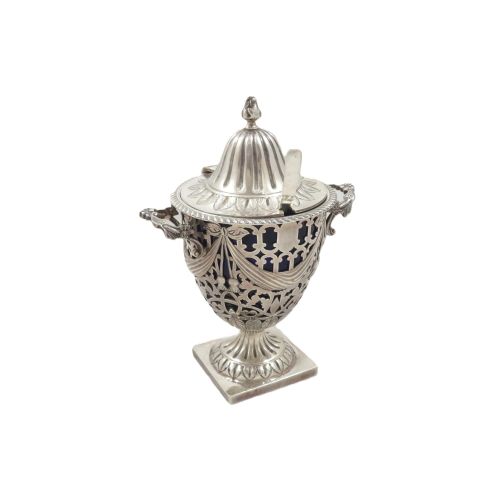
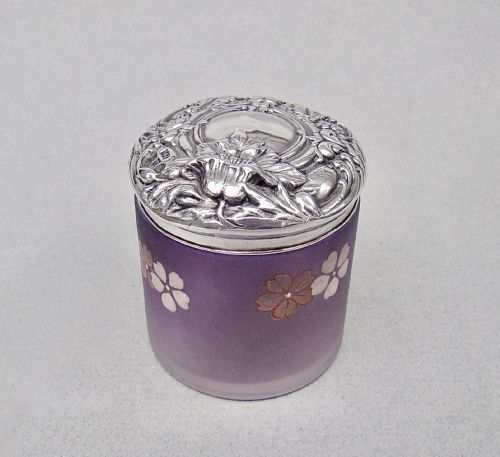
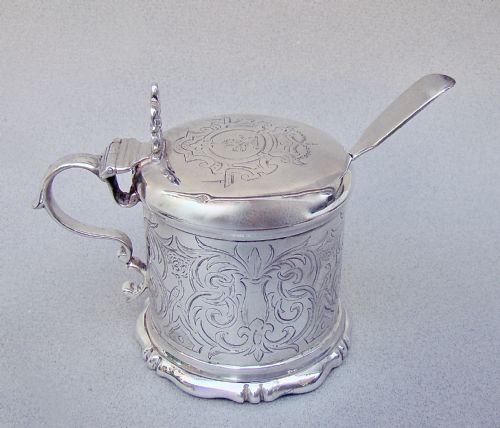
A silver lidded pot encompasses small utilitarian and decorative vessels designed with a fitted cover, drawing on Georgian, Victorian, Edwardian, and Art Deco periods. These items appear in domestic settings as mustard pots, dressing table jars, trinket boxes, inkwells, and biscuit barrels.
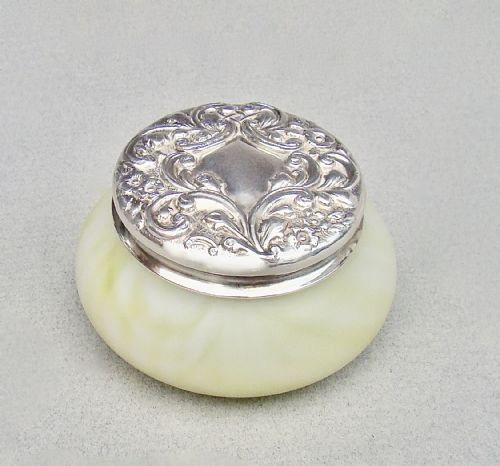
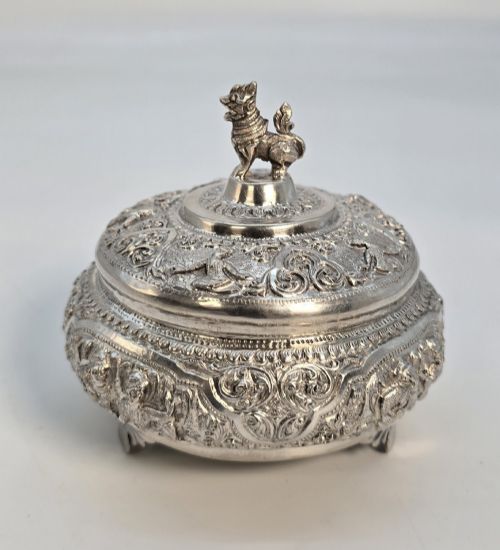
The assortment includes solid sterling silver creations alongside glass and ceramic bodies fitted with silver or silver-plated mounts. Pieces originate from English workshops as well as international sources, including Anglo-Indian and continental European makers.
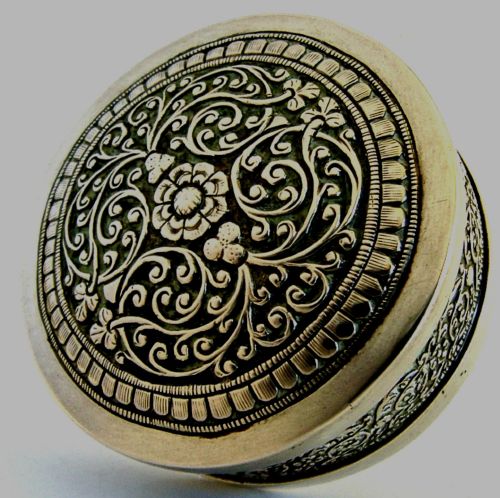
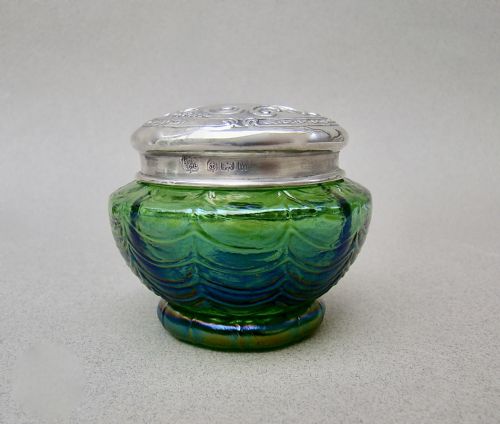
Buyers seeking a silver lidded pot will encounter varied forms such as cylindrical condiment containers, faceted glass vanity jars, and repousse-decorated boxes. Each object bridges functional storage with decorative metalwork characteristic of its period.
How they were made
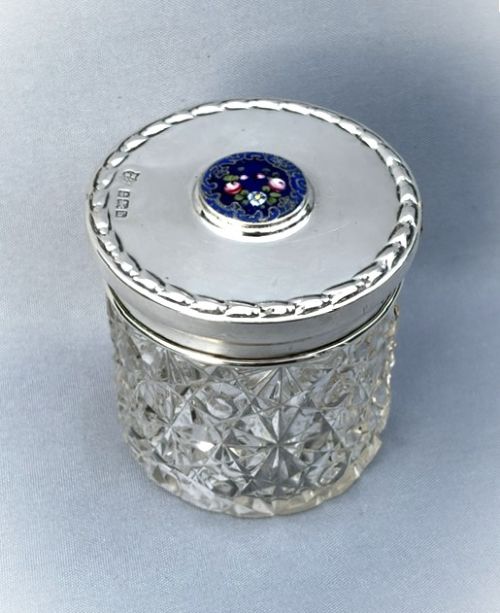
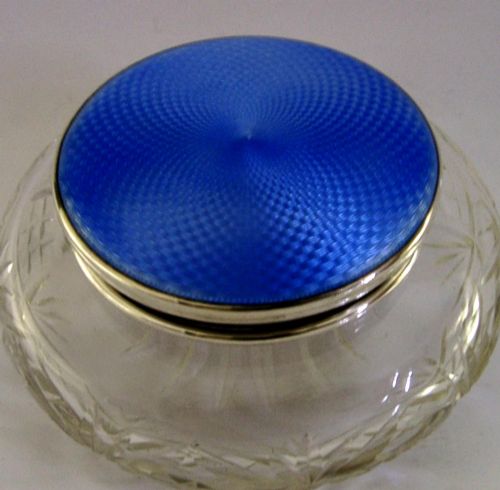
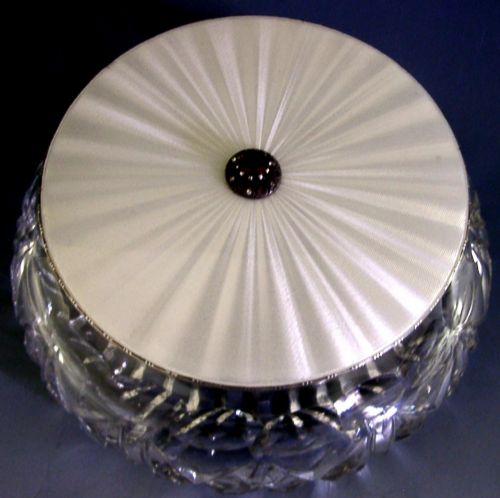
Manufacturing methods rely on combining precious metals with clear, coloured, or cut glass and ceramics. Silversmiths formed the lids and mounts through casting, stamping, and hand-engraving, often incorporating guilloche enamel or intricate repousse decoration.
Glass bodies were blown, moulded, or cut to shape before receiving fitted sterling silver collars and lids. Silver-plated mounts also appear on larger items like ceramic biscuit barrels and preserve jars.
Form categories range from domestic mustard pots and inkwells to dressing table jars and trinket boxes.
What varies in quality
Quality differences emerge through the weight of the metal, the crispness of chased or engraved detailing, and the integration between the silver mount and the glass or ceramic body. Heavier gauge sterling silver and deeply defined repousse work distinguish finer items from lighter, simpler productions.
The condition and complexity of applied enamel work also influence the standard of a piece. Intricate guilloche patterns and flawless coloured enamel require superior craftsmanship compared to plain or unadorned metal lids.
A. J. Pepper & Co·A. Bromet & Co·Charles & George Fox·Robert Hennell I·John Grinsell·Walker & Hall
The Silver Lidded Pot Glossary
- Guilloche enamel
- A decorative technique where a precise, repetitive pattern is mechanical-engraved into metal and then covered with translucent enamel. This method was widely utilised on Art Deco dressing table jars and trinket boxes.
- Repousse
- A metalworking method in which the maker shapes the silver by hammering from the reverse side to form raised designs. This technique appears frequently on Anglo-Indian and colonial boxes.
- Sterling silver
- An alloy consisting of ninety-two point five percent silver by mass, with the remainder being other metals usually copper. British pieces typically bear hallmarks verifying this standard.
- Trinket box
- A small lidded container designed for holding personal ornaments, pins, or cosmetics. These items often feature glass bodies with decorated silver tops.
- Cranberry glass
- A rich red-pink glass created by adding gold chloride to the molten batch. It is frequently seen paired with silver-plated or sterling mounts in Victorian and Edwardian biscuit barrels and pots.
Silver Lidded Pot: Frequently Asked Questions
What were silver lidded pots used for?
These vessels served diverse roles across the home, functioning as mustard containers at the dining table, inkwells for writing desks, and vanity jars for the dressing room. Their primary purpose was to keep contents contained while adding a decorative metal accent to everyday routines.
Smaller examples held pins, rouge, or trinkets, whilst larger ceramic or glass bodies accommodated preserves and biscuits. The inclusion of a fitted lid protected the contents from dust and moisture.
How do I clean silver mounts on glass pots?
Maintenance requires keeping polish away from the glass, enamel, or ceramic portions of the container. Use a soft cloth and a gentle, non-abrasive silver cleaner applied sparingly to the metal surface.
Take care around hinged elements and engraved or enamelled sections to avoid trapping residue in the recesses. A soft brush helps clear polish from intricate repousse work.
How can I date my silver lidded pot?
Dating relies heavily on examining the hallmarks stamped into the silver components. These assay marks reveal the town of origin, the fineness standard, and a date letter corresponding to the exact year of testing.
Stylistic indicators also help narrow the period, such as the geometric lines of Art Deco pieces or the flowing motifs characteristic of Edwardian and Art Nouveau designs. Glass colours and cutting styles offer further clues to the manufacturing era.
Are glass liners original to mustard pots?
Many mustard pots and condiment jars were manufactured with coloured or clear glass liners to protect the silver from acidic contents like mustard and preserves. Original liners fit snugly within the silver frame and match the period of the outer mount.
Replacements are common due to breakage over time, so check whether the glass sits flush and exhibits matching age-related wear.