

Silver Leather Watch
A silver leather watch brings together precious metal cases and supple straps, offering both traditional elegance and reliable timekeeping for daily wear.
Silver Leather Watch
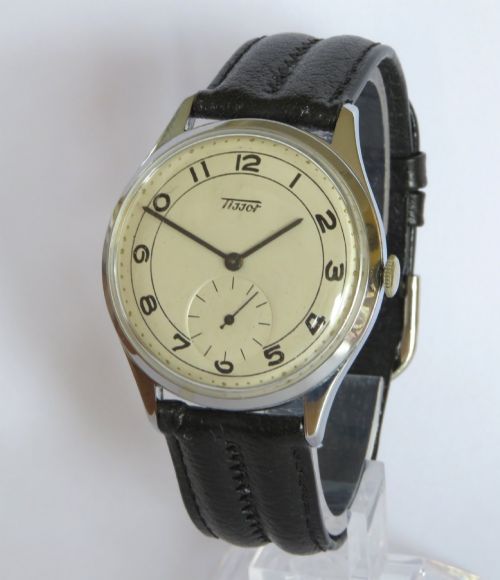
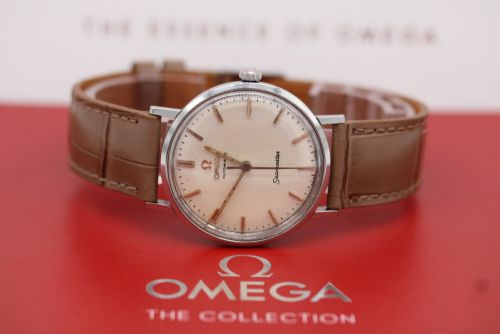
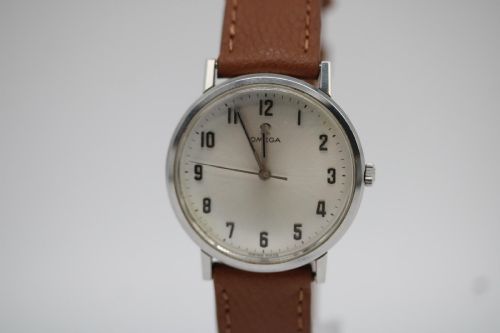
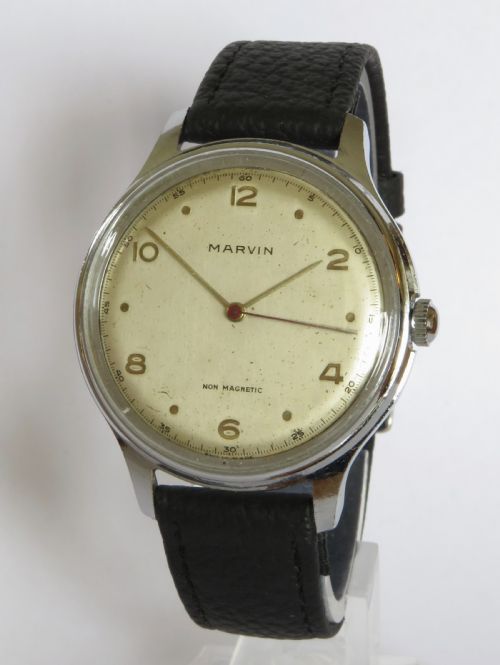
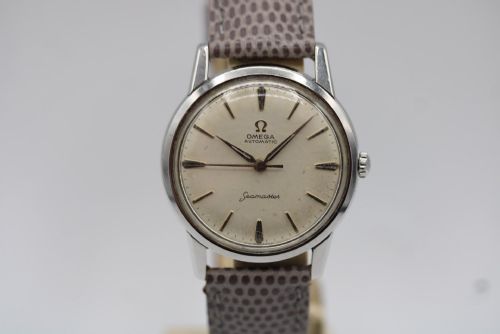
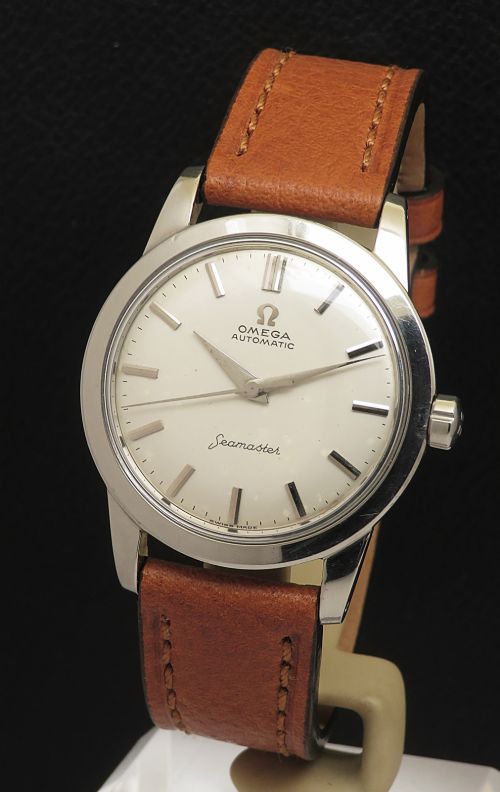
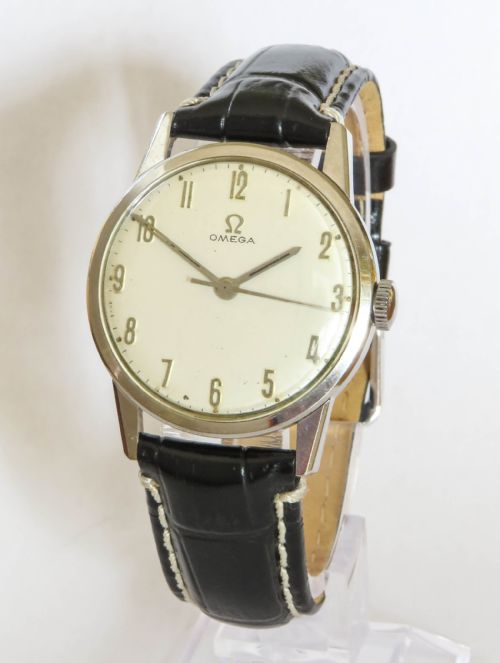
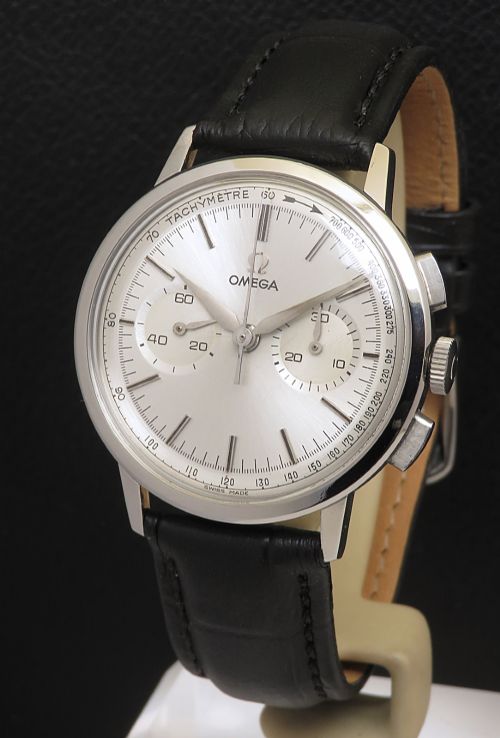
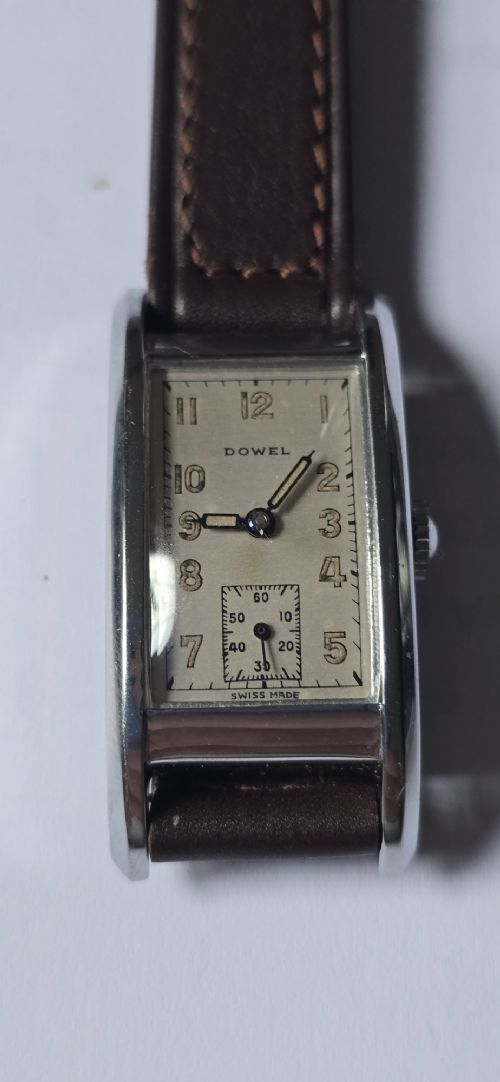
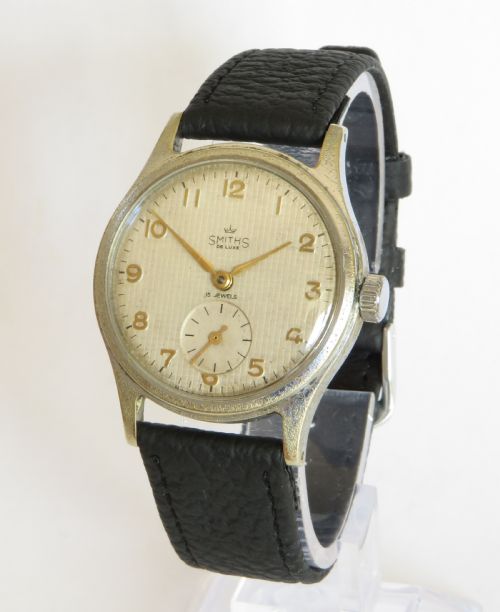
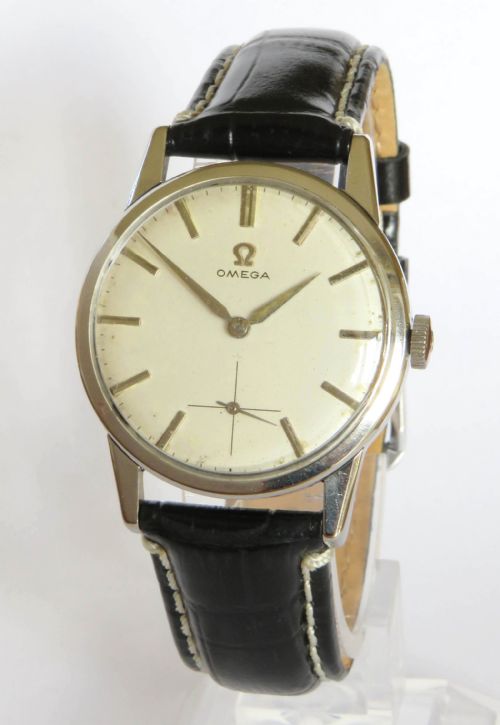
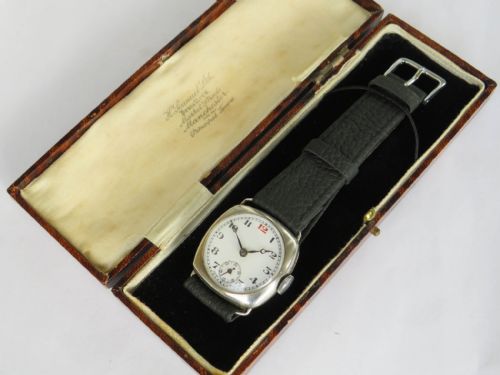
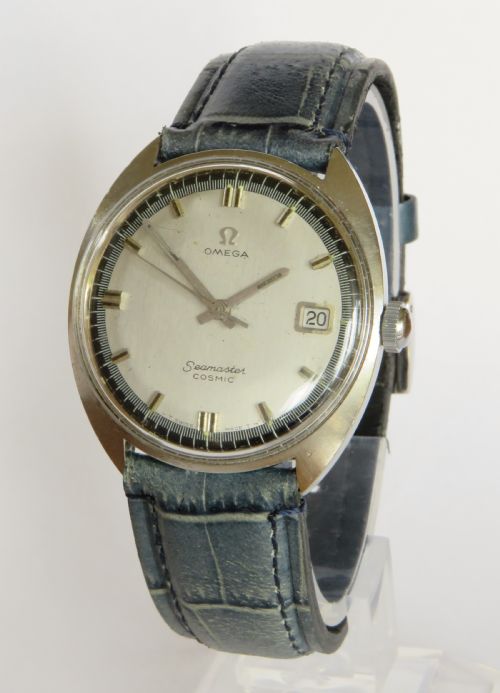
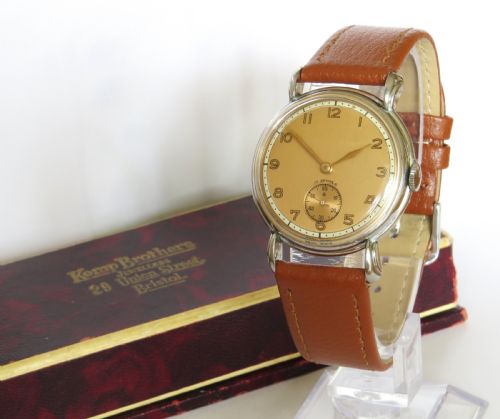
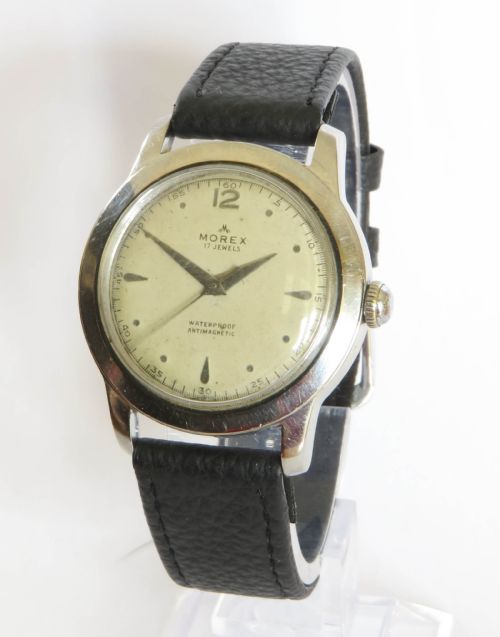
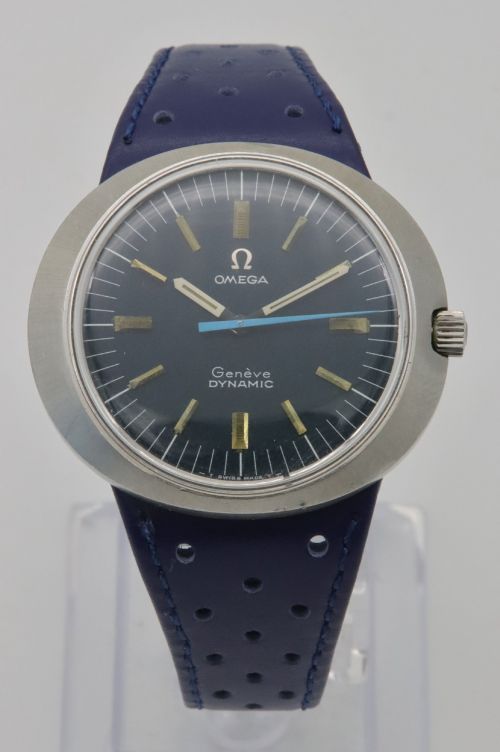
When you search for a silver leather watch, you encounter a selection of vintage wristwatches spanning the Victorian era through the 1970s. These timepieces combine precious or plated silver metals with fitted leather straps, reflecting decades of horological design.
The versions you are most likely to meet on this page originate from mid-century periods, alongside earlier 1930s and 1940s mechanical models. They range from simple dress watches to military-inspired trench pieces and robust chronographs.
Many of these items feature distinguished maker names and manual or automatic movements housed in silver or steel cases paired with leather bands. Their varied dials and case shapes capture the distinct style shifts of the twentieth century.
How they were made
Makers constructed these watches using durable metals like silver, stainless steel, and brass for the outer cases to protect the delicate internal movements. Glass crystals covered the dials, while genuine leather was shaped and stitched to form the wrist straps.
Internal engineering relied on mechanical and automatic Swiss or British movements driven by springs and gears. Specialised components such as enamel dials and chrome accents completed the construction of each timepiece.
Silver Leather Watch Retail Price Guide 2026
Typical asking prices for silver leather watch among the pieces listed under this phrase on Sellingantiques today, from the lower quarter to the upper quarter. They describe what is for sale here now, not the wider market.
Some military models include miniature metal cages called shrapnel guards, strapped over the glass to survive the trenches.
What varies in quality
The standard of a timepiece is largely defined by the preservation of its original components, such as untouched dials, correct hands, and signed movements. Pieces retaining their factory finishes and original straps command greater interest from collectors.
Mechanical complexity also separates simpler dress pieces from sophisticated chronographs and military issues. The precision of the movement and the integrity of the silver case metal dictate the overall caliber of the watch.
Omega·McDowells Dublin·Montilier·Hamilton·Gruen·Antoremi·Rolex·Hahn Landeron·Venus·Seiko·Primula·Enicar·Smiths·Longines·Bulova·Kered·Breitling·Roamer·Tudor
The Silver Leather Watch Glossary
- Chronograph
- A watch featuring a built-in stopwatch function alongside standard timekeeping. This complication uses independent hands operated by pushers on the side of the case.
- Manual wind
- A timepiece requiring the wearer to hand-wind the mainspring via the crown to store power. These movements lack an automatic rotor.
- Automatic
- A self-winding movement powered by the natural motion of the wearer's wrist. An internal weighted rotor turns to tension the mainspring.
- Trench watch
- A military wristwatch developed during the First World War for combat use. These pieces often featured large luminous numerals and protective shrapnel guards over the glass.
- Hermetic
- A watch design featuring an inner dust cover or sealed case construction to protect the movement from moisture and debris. Such cases were popular in the early twentieth century.
Silver Leather Watch: Frequently Asked Questions
How do I wind a manual watch?
Gently turn the crown clockwise between your thumb and forefinger until you feel gentle resistance. Stop immediately to avoid damaging the mainspring.
Perform this action at the same time each day for the most accurate timekeeping.
Can I wear my vintage watch daily?
Many of these pieces were built for everyday utility and handle regular wear well. However, most vintage models lack modern water resistance and need careful handling.
Avoid wearing them during strenuous physical activities or swimming to protect the delicate movement.
How do I care for the leather strap?
Keep the leather dry and away from prolonged moisture or direct sunlight to prevent cracking. Conditioning the material occasionally helps maintain its suppleness.
Consider replacing worn straps with compatible vintage-style alternatives to preserve the watch's appearance.
How can I tell the decade of a watch?
Examine the design style of the dial, case shape, and numerals, which often reflect the prevailing aesthetic of periods like Art Deco or Mid-Century Modern. Maker signatures and movement serial numbers also provide clues to the production era.
Consulting historical records for specific makers helps narrow down the exact decade of manufacture.