


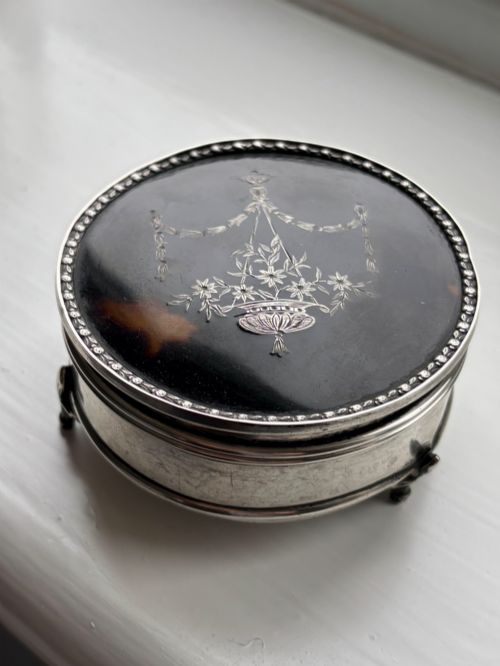
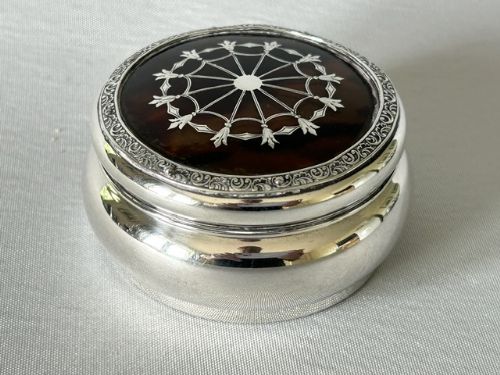


Silver Inlay Box
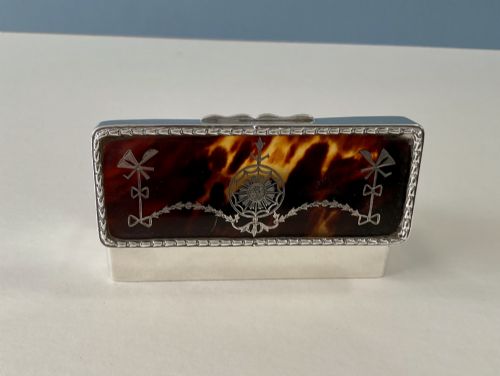
A silver inlay box brings together precious metal and contrasting organic or timber ground, offering a tactile receptacle for small valuables.
Silver Inlay Box
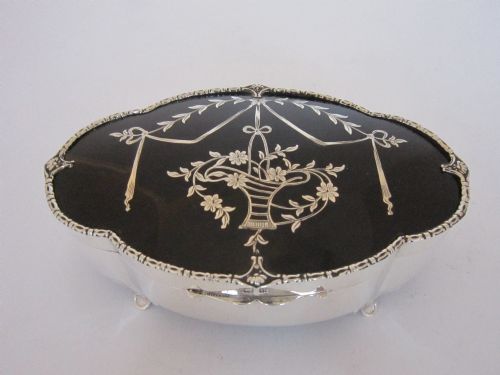
A silver inlay box encompasses various small receptacles designed for keepsakes, tobacco, cards or dressing table use, spanning from the eighteenth century into the twentieth century. When searching for a silver inlay box, buyers encounter examples rendered in tortoiseshell, exotic woods and brass from Victorian, Edwardian and Georgian periods.
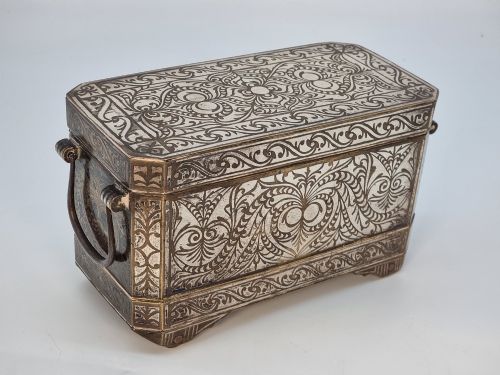
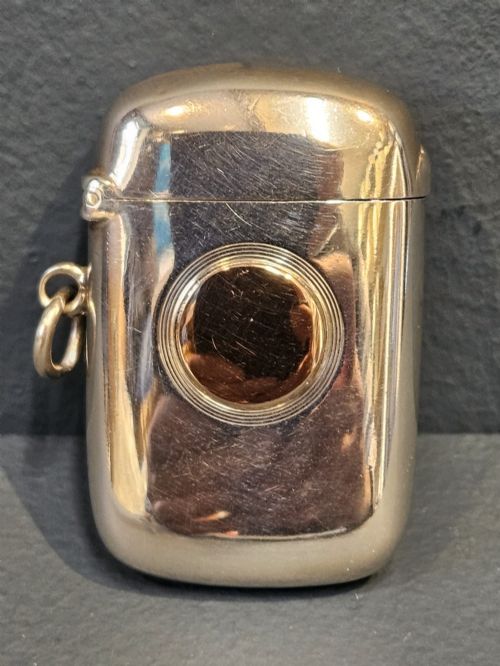
The objects take many forms, ranging from pocket snuff boxes and vesta cases to large dressing table boxes, trinket boxes and tea caddies. Pieces originating from diverse traditions appear alongside British items, including Mamluk revival brass work and Japanese mixed metal bronze containers.
Materials combined with silver include mother of pearl, bone and tortoiseshell, mounted on foundations of mahogany, walnut, satinwood and ebonised timber. Certain items integrate silver mounts or stringing rather than flush inlay, while others incorporate pique work alongside the silver elements.
Distinctions in craftsmanship and condition
Quality in these pieces rests upon the precision of the fit between the silver inlay and the surrounding ground material. Finer examples maintain an unbroken, flush surface where the metal meets the timber or shell without gaps or lifting edges.
The sophistication of the internal fittings and the integrity of the hinges, locks and hallmarked silver mounts distinguish superior specimens from simpler iterations. Intricate pique work and finely balanced proportions elevate certain boxes, while losses to inlay or replacement hardware reduce the integrity of the piece.
Silver Inlay Box Retail Price Guide 2026
Typical asking prices for silver inlay box among the pieces listed under this phrase on Sellingantiques today, from the lower quarter to the upper quarter. They describe what is for sale here now, not the wider market.
Some nineteenth-century tortoiseshell snuff boxes were built small enough to slip entirely into a waistcoat pocket for discreet use.
Ollivant and Botsford·Asprey and Co.
The Silver Inlay Box Glossary
- Pique work
- A decorative technique involving tiny points or pins of gold or silver pressed into a tortoiseshell or ivory ground to form intricate patterns. This method demands steady precision from the maker.
- Vesta case
- A small pocket container designed to hold matches, typically fitted with a striking strip on the base. These cases often feature sterling silver construction.
- Tea caddy
- A container built to store loose tea leaves, frequently featuring lockable lids and compartmentalised interiors. Regency and Georgian examples often utilise tortoiseshell with silver stringing.
- Stringing
- Thin lines of contrasting wood or metal inlaid into the surface of furniture or boxes to create geometric borders. This method accentuates the edges of panels and lids.
- Mamluk revival
- A nineteenth-century design style drawing inspiration from the art and metalwork of the Mamluk Sultanate. Pieces in this style frequently display intricate brass and silver inlay work.
Silver Inlay Box: Frequently Asked Questions
What were small silver inlay boxes used for?
These boxes served practical domestic functions, holding items such as stamps, snuff, visiting cards, sewing needles or jewellery. Wealthy owners kept them on dressing tables, writing desks or in pockets for daily convenience.
Over time, their uses shifted as social customs changed, transforming utilitarian containers into decorative display objects. Their robust construction ensured many survived with their original purpose intact.
How do I date a tortoiseshell box?
Dating relies on examining the construction methods, interior silk linings, hinge types and any accompanying silver hallmarks. Georgian and Regency pieces typically show different joinery and profile shapes compared to late Victorian or Edwardian items.
Silver mounts stamped with date letters provide a direct year of manufacture. Stylistic shifts, such as the transition from Sheraton satinwood to Edwardian pique work, offer further chronological clues.
Can I use a dressing table box daily?
Most antique boxes tolerate careful daily use for storing jewellery, cufflinks or small keepsakes. Placing them away from direct sunlight and damp conditions preserves the fragile shell and wood veneers.
Interior linings often show age, so modern owners sometimes add acid-free tissue paper for protection. Gentle handling of the original hinges and locks prevents unnecessary strain.
What is pique work?
Pique work is a decorative method where tiny pins or strips of silver or gold are embedded into tortoiseshell or ivory. Artisans warmed the shell to accept the metal, creating detailed geometric or floral motifs.
This painstaking technique requires immense skill to prevent the brittle shell from cracking during insertion. Examples of this work appear frequently on Edwardian and Victorian trinket boxes.