


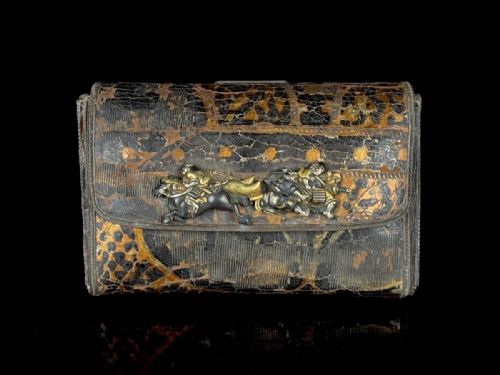


Silver Inlaid Metalwork
Silver inlaid metalwork brings together distinct global traditions, offering dense surface decoration and contrasting metals that catch the light.
Silver Inlaid Metalwork
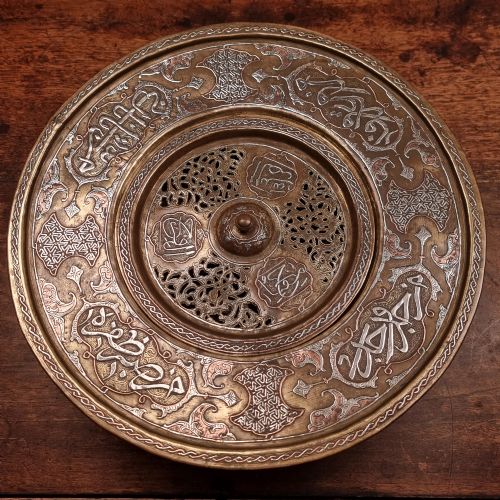
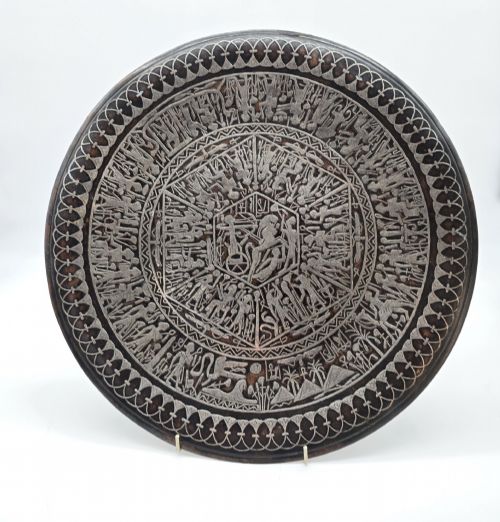
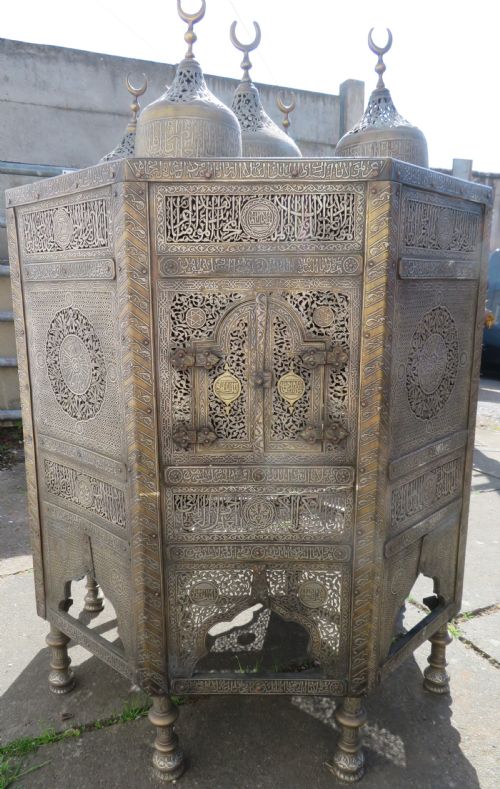
When you examine silver inlaid metalwork, you encounter pieces spanning from the pre-sixteenth century to the twentieth century, originating from regions including Japan, Persia, and Egypt. The selection ranges from functional vessels such as ewers, vases, and boxes to wall chargers, occasional tables, and quran stands.
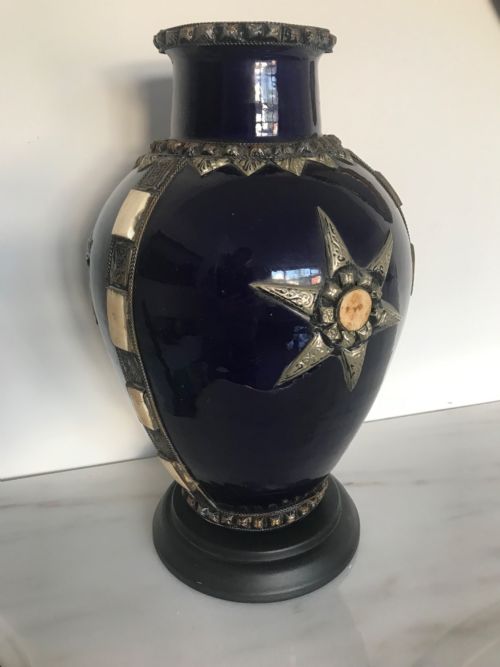
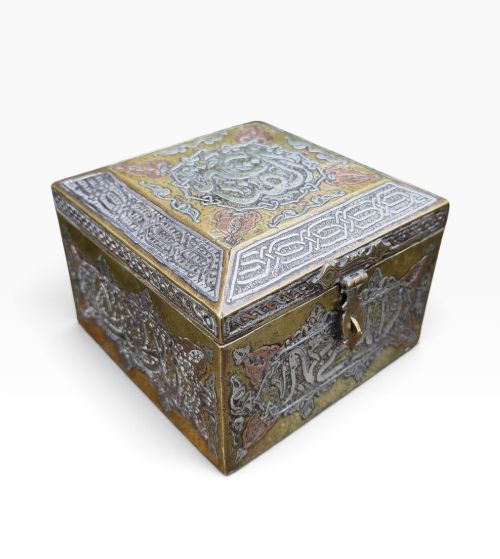
Islamic metalwork and Cairo ware form a substantial part of the offerings, alongside Japanese Meiji period bronzes and Moroccan terracotta pieces. Cairo ware items typically utilise brass or copper bases inlaid with silver and sometimes gold, reflecting Revival styles.
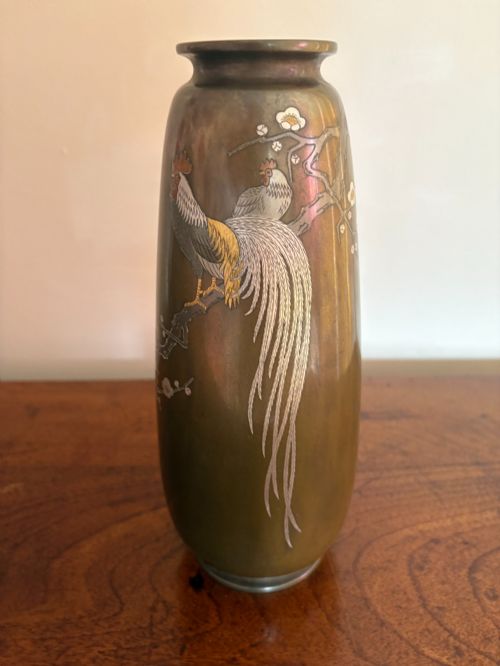
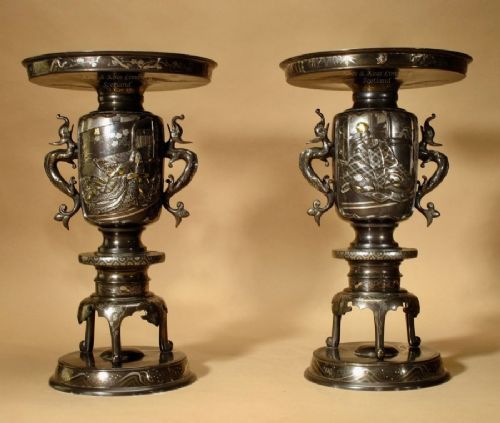
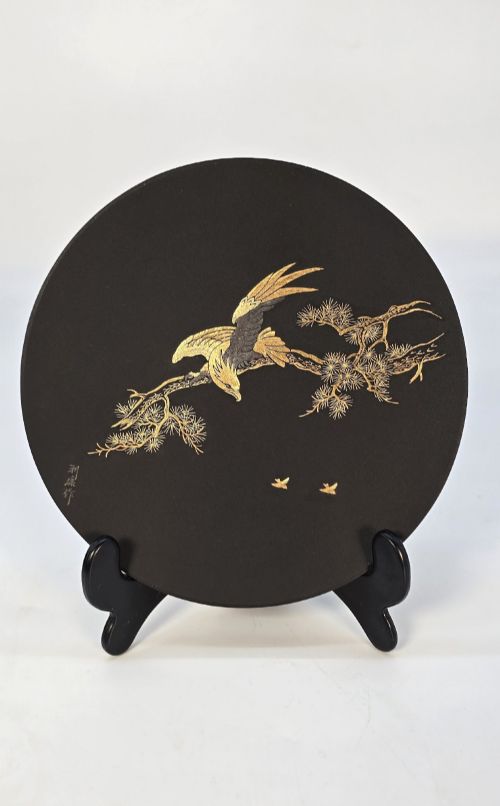
Japanese examples feature patinated bronze, iron, and copper, incorporating mixed metal elements such as gold and silver inlay on vases, plaques, boxes, and tsuba. These contrasting aesthetics display the distinct decorative priorities of their respective cultures and periods.
Materials and construction
Makers utilised base metals such as bronze, brass, copper, and iron, often applying patination to darken the surface and create strong visual contrast with the lighter metals. Terracotta also appears as a foundational material, paired with metal mounts and cabochons.
Decoration relied on hammering or cutting fine channels into the metal substrate, into which wire or foil of silver and gold was physically embedded. Artisans combined these precious inlays with other metals to build complex pictorial and geometric patterns across the surfaces of vessels and stands.
Materials represented include terracotta, gold, silver, bronze, copper, and brass.
Judging the work
Quality rests upon the precision of the inlay work and the integrity of the base metal. Finer examples maintain secure, flush integration of the silver and gold into the channels without gaps or lifting along the edges.
The depth and complexity of the surface carving and the richness of the patination dictate the visual success of the piece. Well-balanced proportions and clear signatures from identifiable makers separate standard production from superior craftsmanship.
KANASAWA
The Silver Inlaid Metalwork Glossary
- Cairo ware
- Egyptian metalwork produced primarily for the Western market around the turn of the twentieth century, combining traditional Islamic forms with brass, copper, and silver inlay.
- Mamluk revival
- A nineteenth-century style that emulates the brasswork and silver inlay of the medieval Mamluk dynasty, featuring dense Arabic calligraphy and geometric strapwork.
- Patination
- The natural or chemically induced surface coloration of a metal object over time, which protects the substrate and enhances the contrast of inlaid designs.
- Kursi
- An ornamental stand or low table, frequently associated with holding sacred texts such as the Quran in Islamic interiors.
Silver Inlaid Metalwork: Frequently Asked Questions
How do I clean silver inlaid metalwork?
Dust surfaces gently with a soft, dry brush to prevent debris from lodging in the fine inlay channels. Avoid chemical dips and harsh polishes, which can strip the patination from the base metal.
Protect the pieces from excessive moisture and handle them with clean hands to preserve the delicate contrast between the silver and the darker bronze or brass.
Are Cairo ware pieces authentic antiques?
Cairo ware items date predominantly from the late nineteenth and early twentieth centuries, produced during the Orientalist revival period in Egypt. They emulate medieval designs while serving the export market of their own era.
Collectors value them for their historical context, heavy construction, and the skill required to hammer silver and copper into brass and bronze surfaces.
What is the difference between Japanese and Islamic metalwork?
Japanese metalwork from the Meiji and Edo periods frequently utilises patinated iron and bronze decorated with flora, fauna, and figures using mixed metals like gold and silver. Islamic and Cairo ware pieces lean towards geometric strapwork, Arabic inscriptions, and brass or copper substrates.
Both traditions rely on precision inlay, but their decorative vocabularies and regional forms remain distinct.
Can these tables and stands be used daily?
Occasional tables and quran stands function well for display and light placement of objects, provided they rest on stable, level surfaces. Avoid placing heavy loads or hot items directly onto the inlaid tops.
Regular careful positioning prevents accidental stress on the joints and protects the intricate metal surfaces from unnecessary wear.